Pattern family
Plain-Woven Cloths
These are the fabrics of the plain weave and its basket variations: muslin, calico, poplin, broadcloth, chambray, oxford, canvas. Their differences come not from pattern but from yarn fineness, thread density, and finishing, which is why their names are so often confused and so worth comparing precisely.
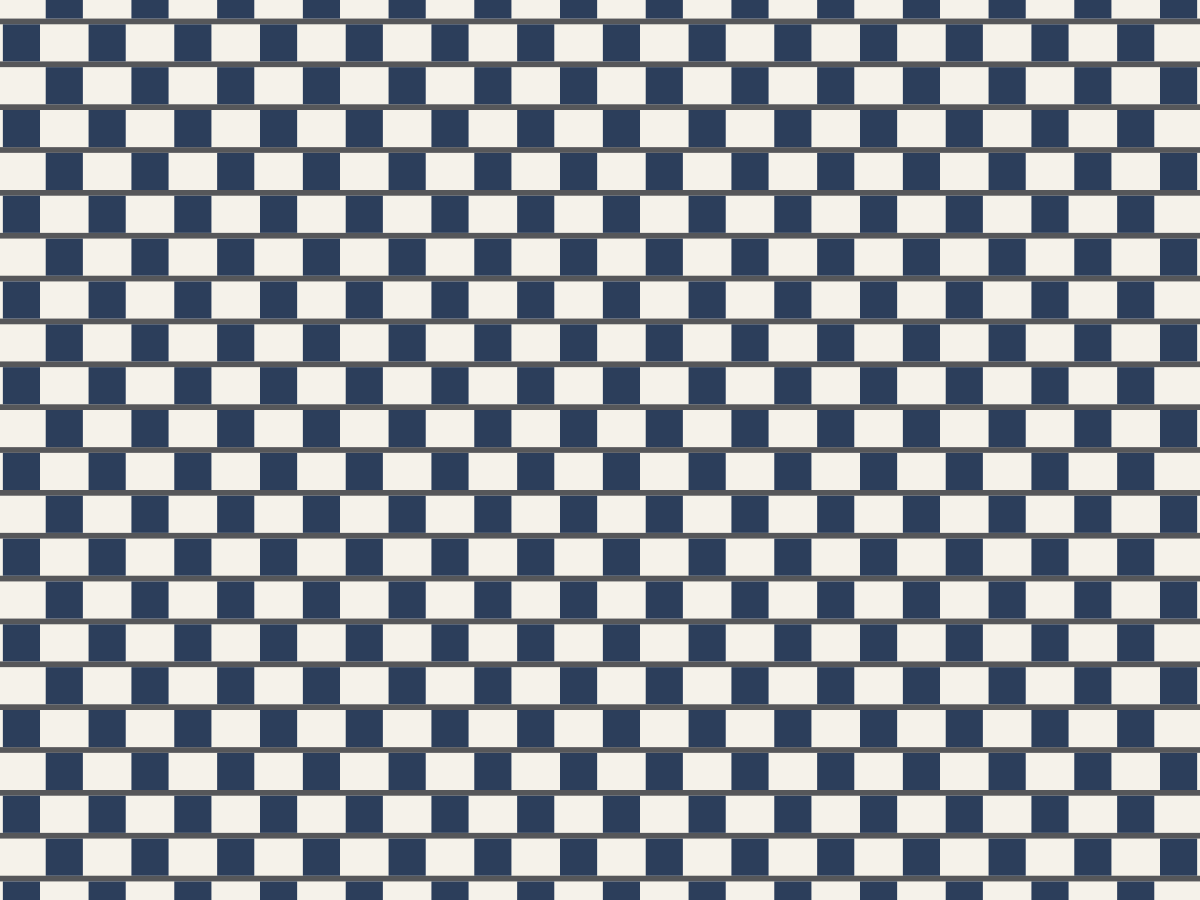
Chambray
No. 022fabric · plain
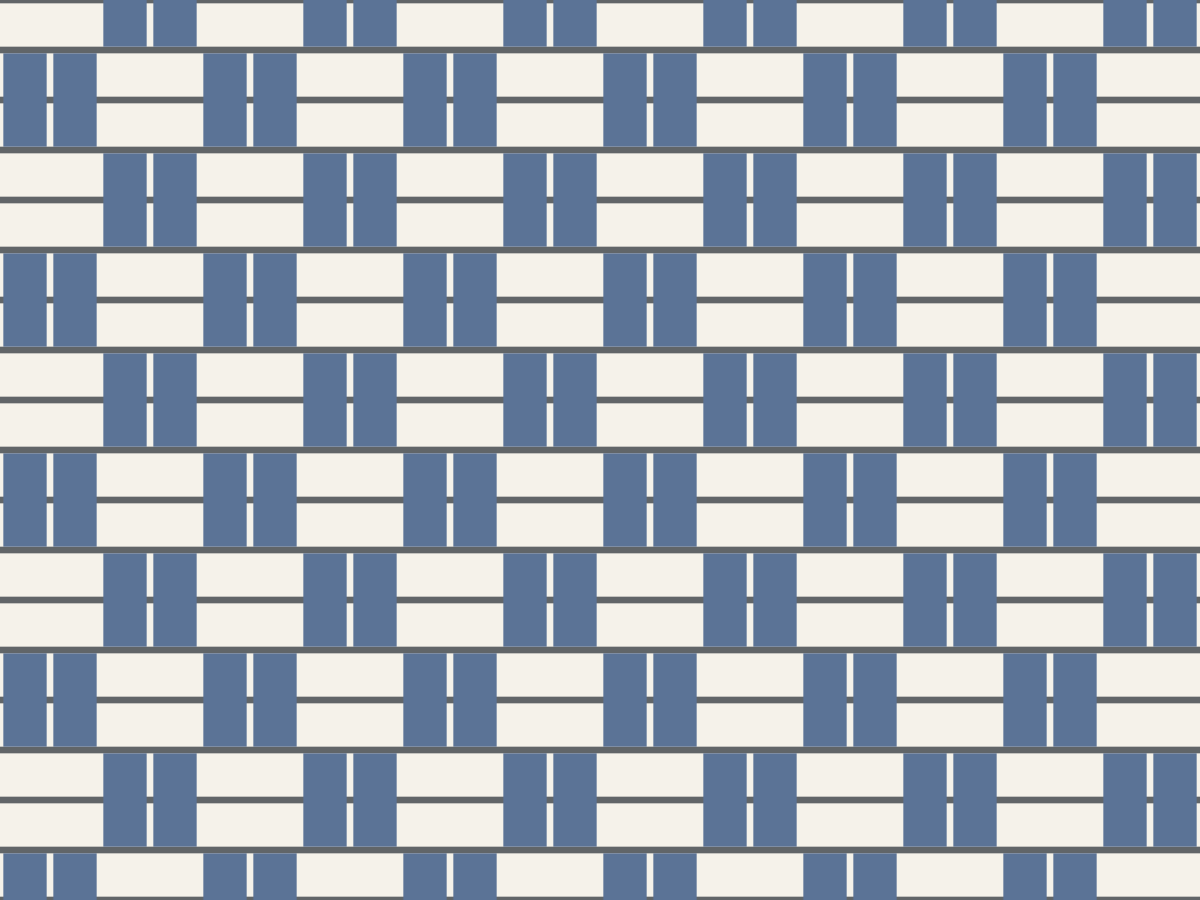
Oxford Cloth
No. 026fabric · plain
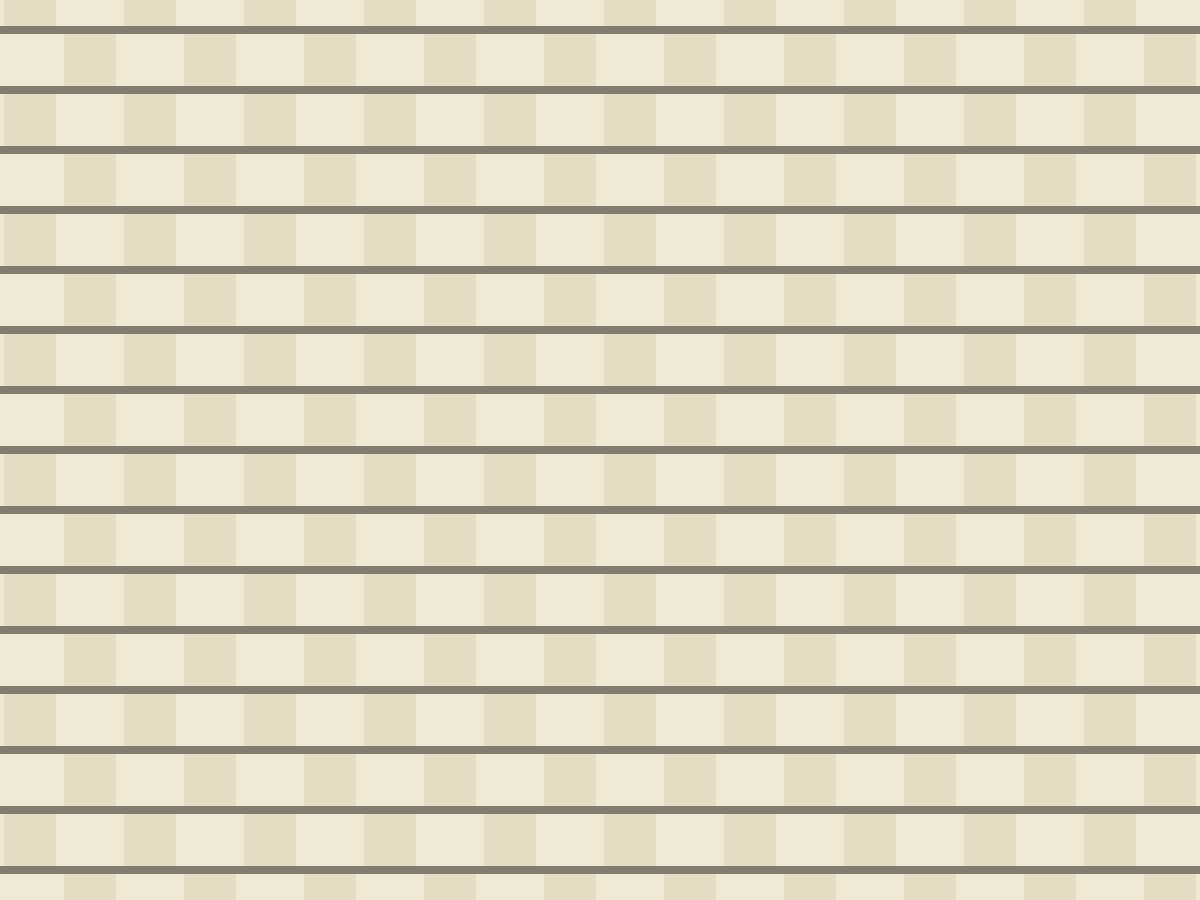
Muslin
No. 027fabric · plain
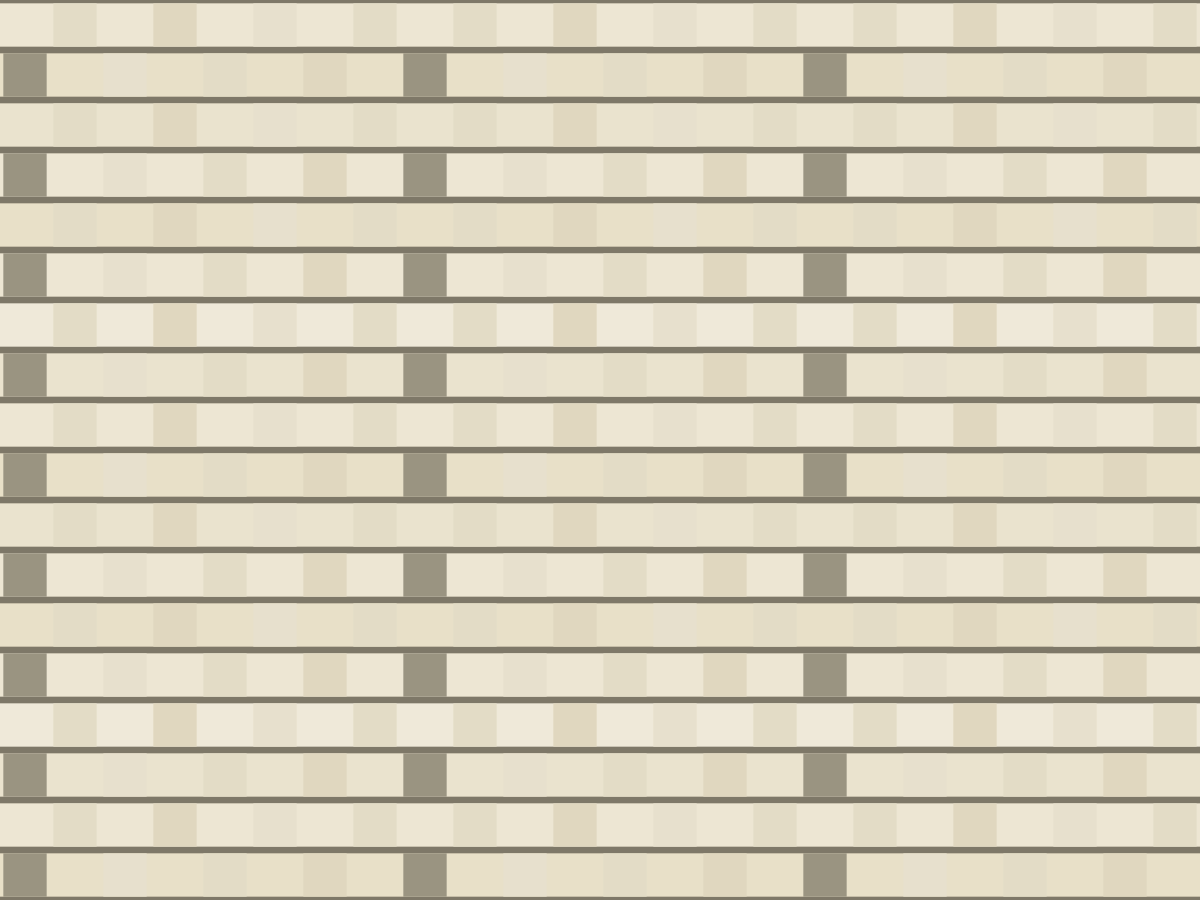
Calico
No. 028fabric · plain
Poplin
No. 029fabric · plain
Broadcloth
No. 030fabric · plain
Canvas
No. 031fabric · plain
Linen
No. 040fabric · plain
Taffeta
No. 043fabric · plain
Organza
No. 044fabric · plain
Chiffon
No. 053fabric · plain
Tulle
No. 058fabric · plain
Batiste
No. 059fabric · plain
Voile
No. 060fabric · plain
Lawn
No. 066fabric · plain
Percale
No. 069fabric · plain
Khadi
No. 070fabric · plain
Gauze
No. 071fabric · plain
Hopsack
No. 074fabric · plain
Duck
No. 075fabric · plain

Crepe
No. 078fabric · plain
Shantung
No. 079fabric · plain
Nankeen
No. 080fabric · plain
Buckram
No. 082fabric · plain
Cheesecloth
No. 083fabric · plain
Oilcloth
No. 084fabric · plain
Pique
No. 085fabric · plain

Georgette
No. 088fabric · plain

Moire
No. 091fabric · plain
Dupioni
No. 093fabric · plain
Pongee
No. 094fabric · plain
Ripstop
No. 095fabric · plain

Organdy
No. 100fabric · plain
Burlap
No. 101fabric · plain
Cambric
No. 102fabric · plain
Osnaburg
No. 104fabric · plain
Flannelette
No. 105fabric · plain
Lame
No. 106fabric · plain
Tussar
No. 111fabric · plain
Angora
No. 115fabric · plain
Scrim
No. 134fabric · plain
Madapollam
No. 135fabric · plain
Linsey-Woolsey
No. 139fabric · plain
Waxed Cotton
No. 145fabric · plain
Drugget
No. 171fabric · plain
Grogram
No. 172fabric · plain
Russet
No. 173fabric · plain
Settle the confusions
From the journal
Linen, seersucker, and chambray all promise a cool summer. The difference is where each one gets it: the fiber, the weave, or how little it touches skin.
The Wardrobe in Translation: Archaic Cloth Names and Their Modern Equivalents →Costume makers hunt cloths that no longer sell under their old names. Samite, coutil, fustian, melton: what each was, and what to use instead today.
Plain, Twill, Satin: The Three Weaves Everything Is Made From →Almost every woven cloth is one of three interlacings. The only difference is how often the warp and weft cross. Here is the whole grammar of weaving.
Waterproof: From Sail Grease to Gore-Tex →Keeping water out is the oldest problem in cloth. The answers run from greased sailcloth and waxed cotton to the microporous membrane, and each one trades something away.
The Geography of Cloth Names →A surprising number of fabric names are just place names. Denim, jeans, calico, muslin, duffel: the catalogue of cloth is also a map of medieval trade.
The Cloth That Built Manchester →Plain cotton cloth made Manchester the first industrial city, drove the factory system and the cotton famine, and remade the world. The cloth is gingham.
Why Denim Fades (and Why We Pay Extra for It) →Denim's fade is engineering, not accident: ring-dyed yarn, exposed twill floats, and an indigo that never fully bonds. The flaws are the product.
The Calico Acts: When Britain Banned Cotton →Indian printed cottons were so popular that Britain outlawed them for half a century. The ban backfired into the Industrial Revolution.
Woven Air: The Finest Cloth Ever Made →Dhaka muslin was so fine that whole garments could pass through a ring. Industrialization destroyed the trade, and the word fell from luxury to lining.
Guaranteed to Bleed: How a Flaw Sold Madras →Authentic madras ran in the wash, ruining customers' clothes. Then one of advertising's great reversals turned the defect into the proof of the real thing.