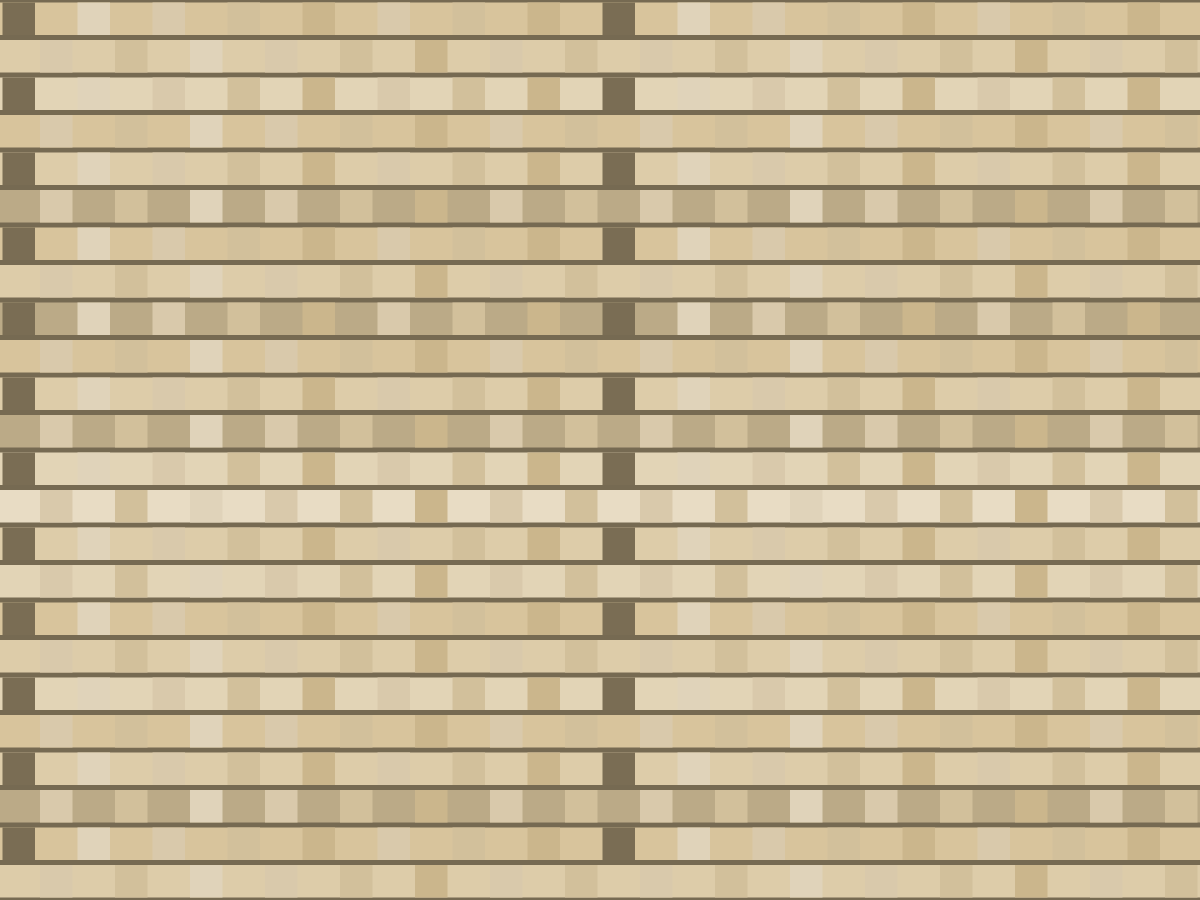
The render is a stylized impression of the pebbled crepe surface.
- First documented
- Middle Ages
- Origin
- France, France
- Fiber
- silk, wool, polyester
- Weave
- plain weave, high-twist crepe yarns
- Family
- plain
Plate No. 078 · fabric
Crepe
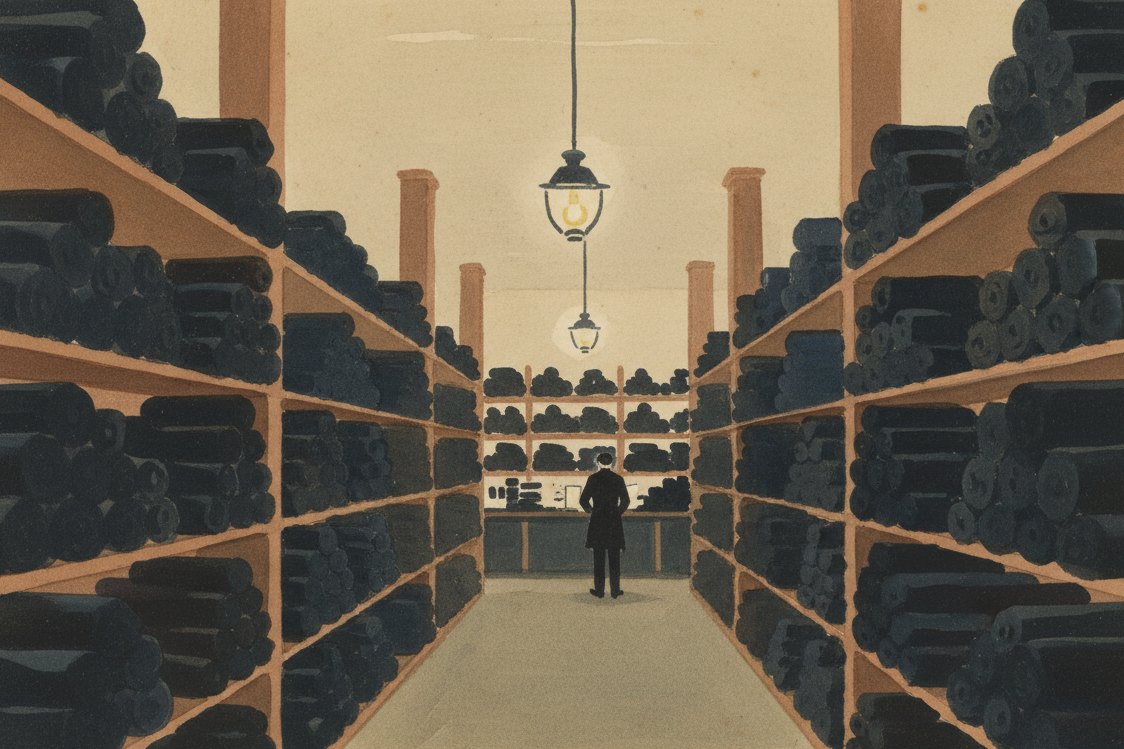
Crepe is any cloth whose surface is deliberately pebbled, classically by weaving yarns twisted so hard they buckle when released, throwing the face into a fine, matte crinkle. The texture scatters light, drapes heavily, and resists wrinkling, since the surface is already, by design, all wrinkle. Crepe de chine, georgette, wool crepe, and crepe-backed satin are all members. Black silk crepe carried a second meaning for a century: it was the fabric of Victorian mourning, worn by widows in prescribed stages and supplied by entire mills devoted to grief.
Named for
From the French crepe and Latin crispus, curled: the surface is the name.
Also known as
crêpe, crape
In the record
- 1800sBlack mourning crepe became a Victorian institution, with Courtaulds building its early fortune on the cloth.
Common questions
- What is Crepe made of?
- Crepe is any cloth whose surface is deliberately pebbled, classically by weaving yarns twisted so hard they buckle when released, throwing the face into a fine, matte crinkle. It is traditionally made of silk, wool, or polyester.
- Where does Crepe come from?
- Crepe comes from France, where it dates to the Middle Ages.
- What is Crepe named after?
- From the French crepe and Latin crispus, curled: the surface is the name.
Often confused with
Sources & References
- 1.Crepe (textile), Wikipedia
- 2.crepe, Online Etymology Dictionary
Related specimens





Stay in the loop
From the Almanac
Updates from Fabric Almanac, when there is something worth sharing.