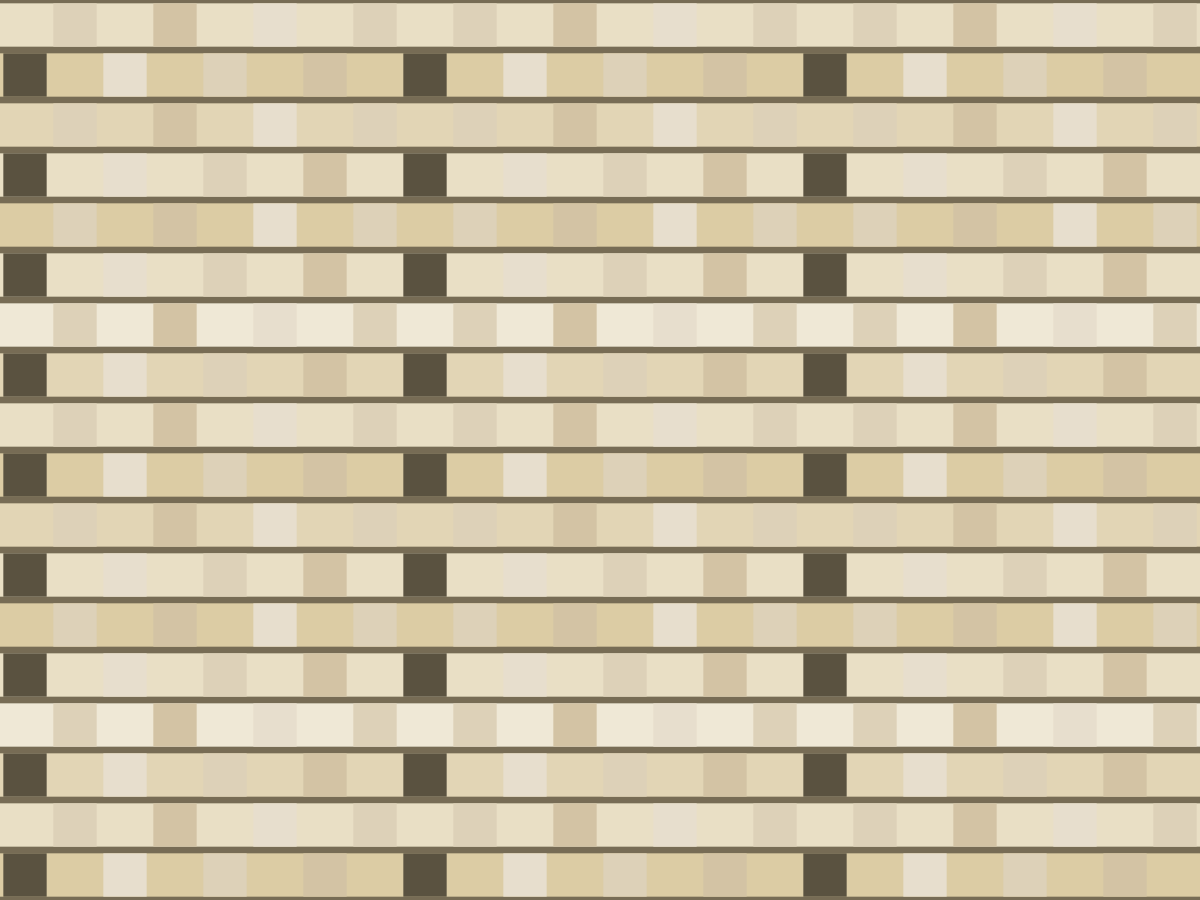
The render shows the wide-open weave: more gap than thread.
- First documented
- 1600s
- Origin
- England, United Kingdom
- Fiber
- cotton
- Weave
- very loose, open plain weave
- Family
- plain
Plate No. 083 · fabric
Cheesecloth
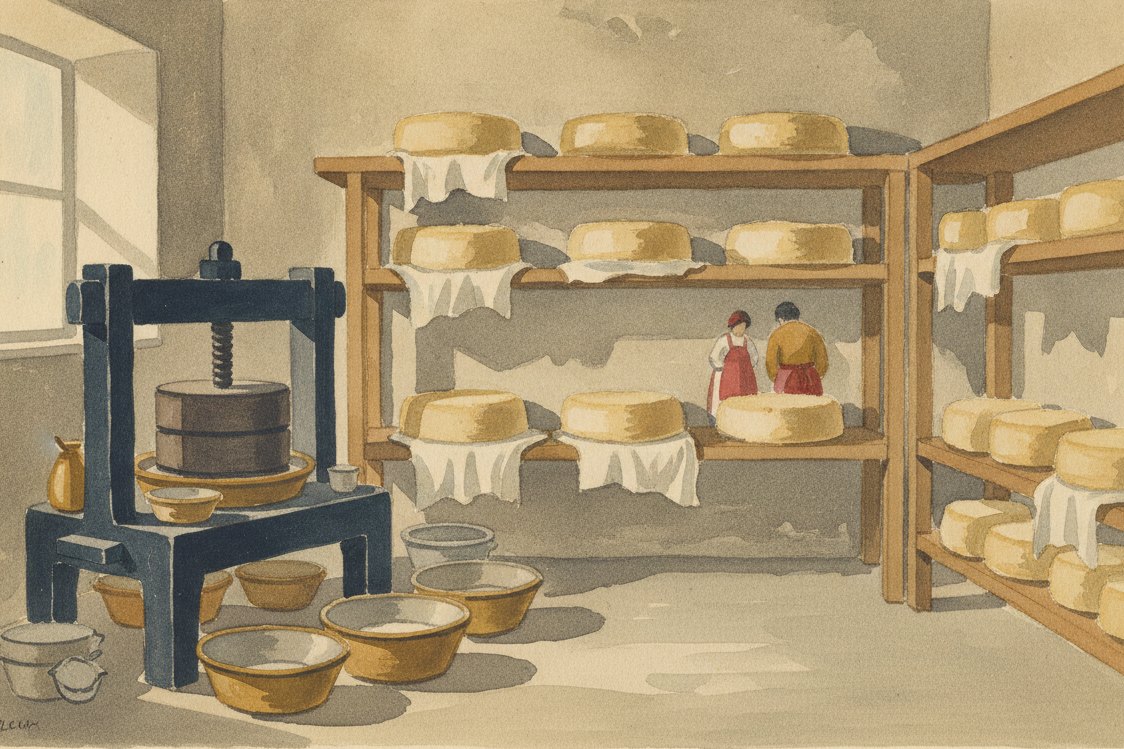
Cheesecloth is the loosest useful plain weave, a cotton gauze open enough to strain, drain, and breathe, graded from coarse to fine by the number of threads per inch. Its name records the dairy, where it pressed curds and wrapped wheels to let them age without rotting, but the same open cloth strains stock and jelly in kitchens, dusts and polishes in workshops, and stands in for ghostly drapery on every low-budget film set. It is the humble cousin of gauze and the muslins, defined entirely by how little there is of it.
Named for
Named for its first job: the loose-woven cotton used to press and wrap cheese.
Also known as
butter muslin
Common questions
- What is Cheesecloth made of?
- Cheesecloth is the loosest useful plain weave, a cotton gauze open enough to strain, drain, and breathe, graded from coarse to fine by the number of threads per inch.
- Where does Cheesecloth come from?
- Cheesecloth comes from the United Kingdom, England, first documented in the 1600s.
- What is Cheesecloth named after?
- Named for its first job: the loose-woven cotton used to press and wrap cheese.
Often confused with
Sources & References
- 1.Cheesecloth, Wikipedia
- 2.cheesecloth, Wiktionary
Related specimens




Stay in the loop
From the Almanac
Updates from Fabric Almanac, when there is something worth sharing.