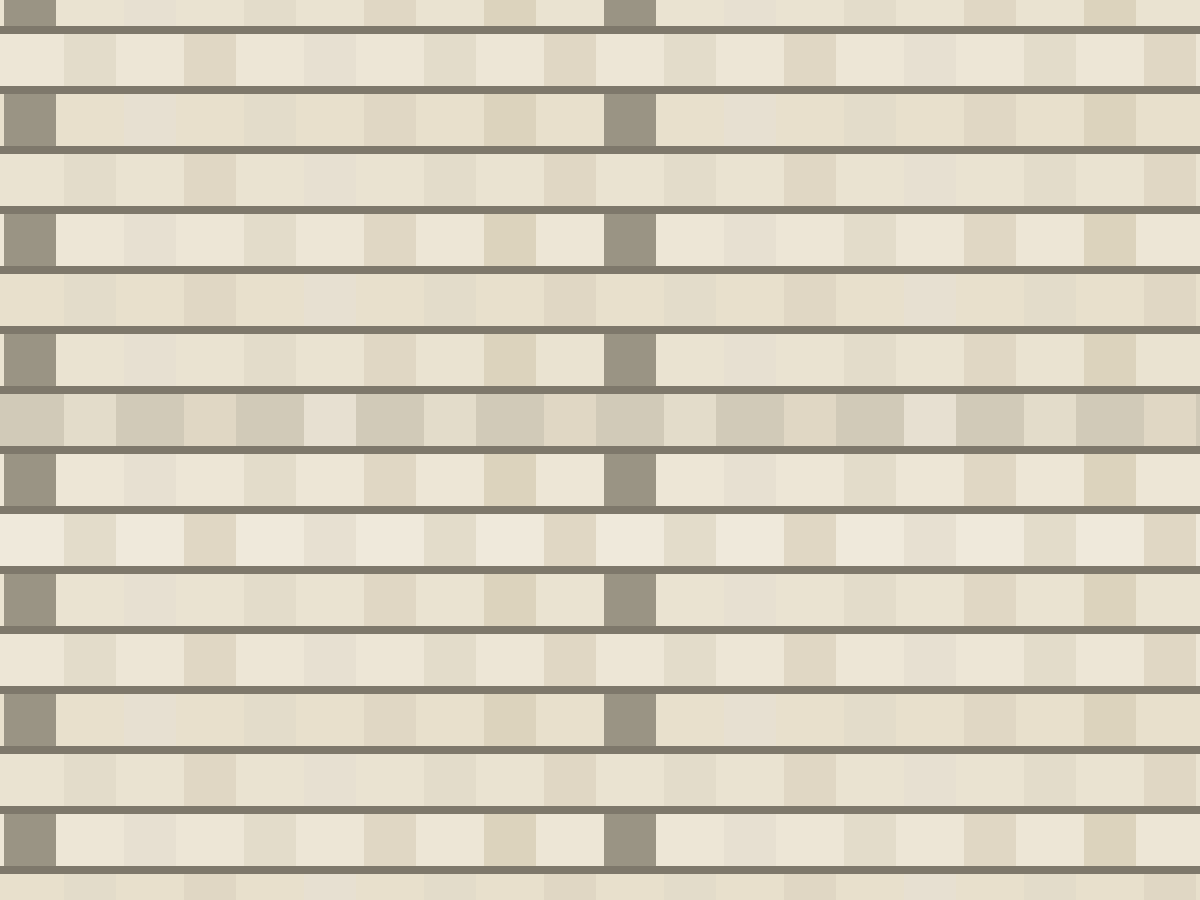
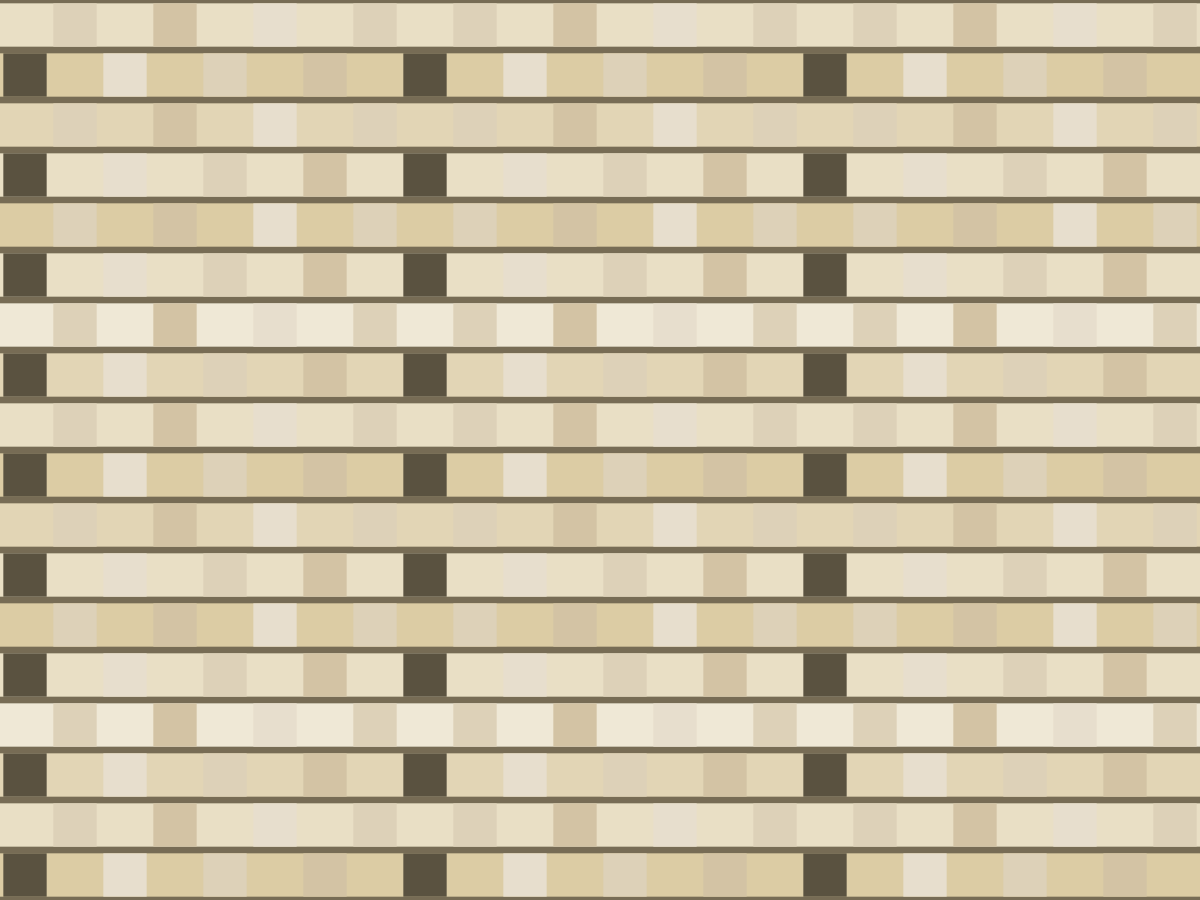
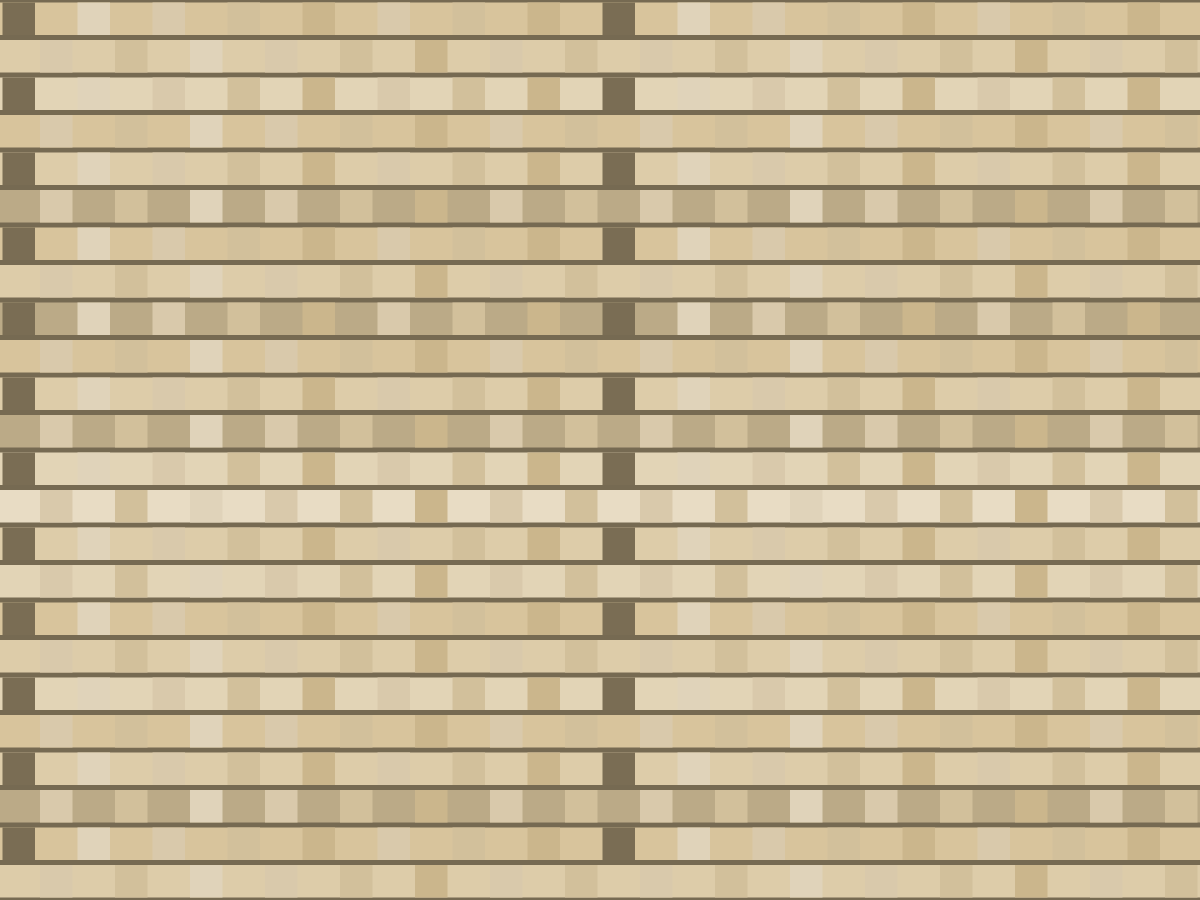
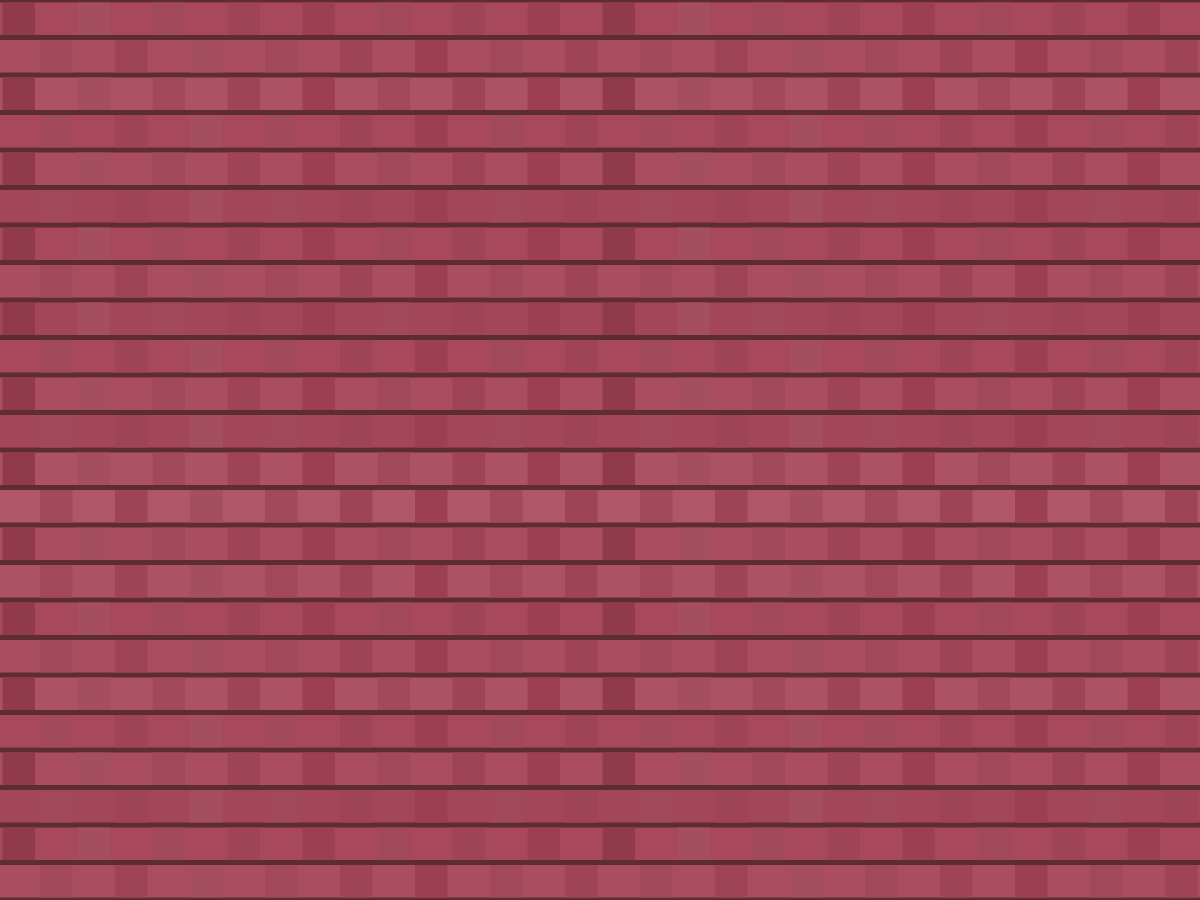
The uneven weft renders the slub texture.
- First documented
- 1800s
- Origin
- Shandong, China
- Fiber
- silk
- Weave
- plain weave, slubbed weft
- Family
- plain
Plate No. 079 · fabric
Shantung
Shantung is a crisp plain-weave silk whose signature is the slub: irregular thickenings in the weft yarn that ridge the surface in broken horizontal lines. The original cloth used silk from Shandong province, often from wild or semi-wild silkworms whose irregular filament made the slubs inevitable; the texture then became the point, deliberately preserved when cultivated silk took over. Shantung's dry hand and structural crispness made it a mid-century favorite for suits, cocktail dresses, and the structured wedding gown.
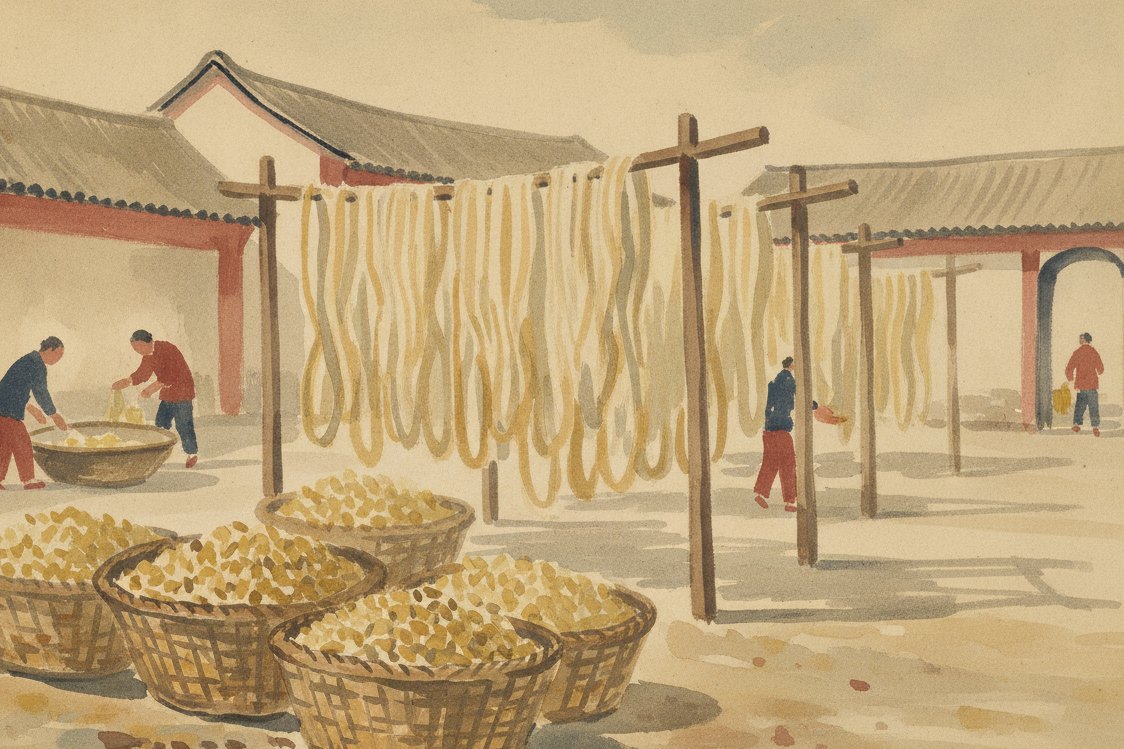
Named for
Named for Shandong province in northern China, the historical source of the wild and semi-wild silks that gave the cloth its texture.
Common questions
- What is Shantung made of?
- Shantung is a crisp plain-weave silk whose signature is the slub: irregular thickenings in the weft yarn that ridge the surface in broken horizontal lines.
- Where does Shantung come from?
- Shantung comes from China, Shandong, first documented in the 1800s.
- What is Shantung named after?
- Named for Shandong province in northern China, the historical source of the wild and semi-wild silks that gave the cloth its texture.
Often confused with
Sources & References
- 1.Shantung (fabric), Wikipedia
- 2.Crepe (textile), Wikipedia
Related specimens
Stay in the loop
From the Almanac
Updates from Fabric Almanac, when there is something worth sharing.