The classic unstructured blazer cloth.
- First documented
- 1800s
- Origin
- England, United Kingdom
- Fiber
- wool, cotton, linen
- Weave
- basket weave
- Family
- plain
Plate No. 074 · fabric
Hopsack
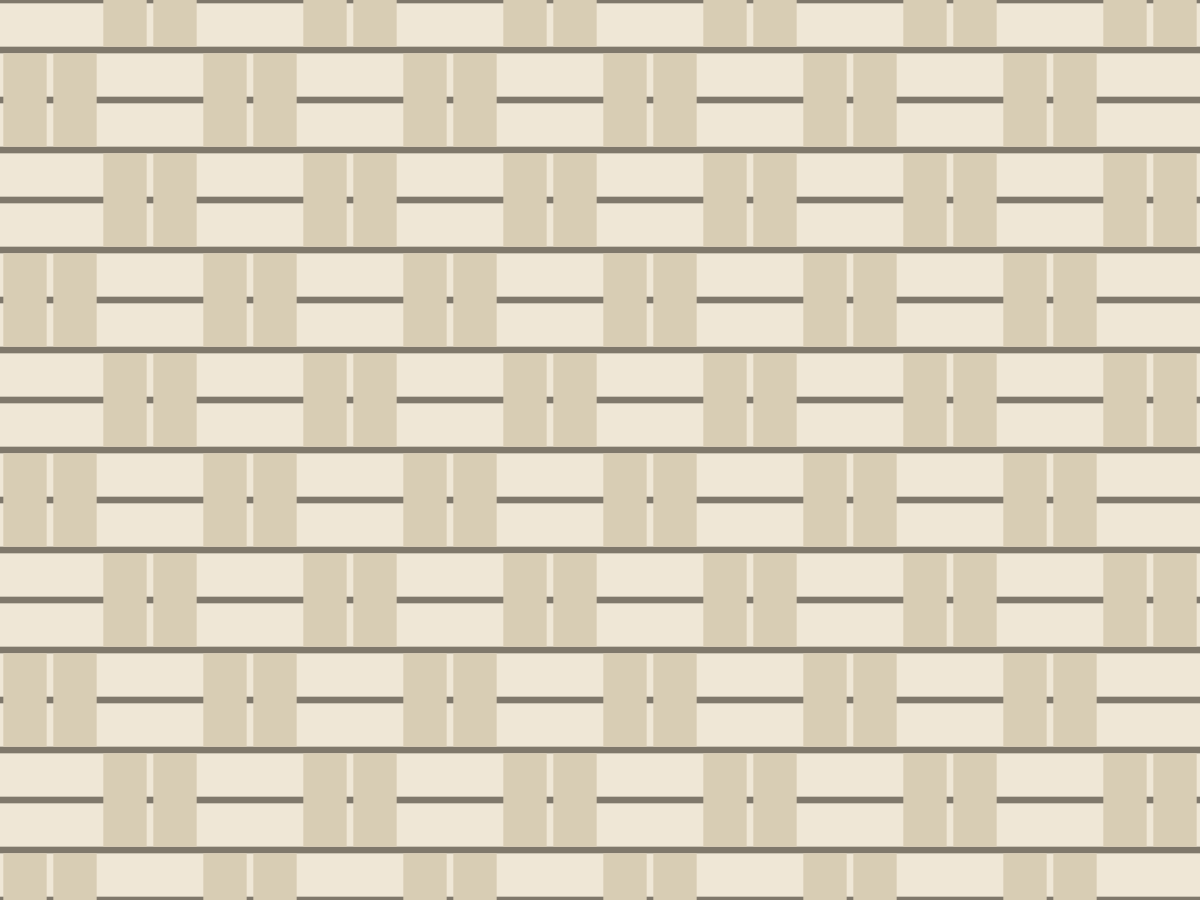
Hopsack is the basket weave gone to tailoring: yarns interlaced two-and-two or more, giving an open, breathable cloth with a visible checkerboard grain. The name remembers the sacking that carried hops to the breweries, but the modern cloth is the unstructured summer jacket of menswear, prized because its open weave sheds wrinkles and moves air while still reading as suiting at a distance. The trade-off is snagging: those long floats catch on rough edges, which is why hopsack is a jacket cloth and rarely a trouser.
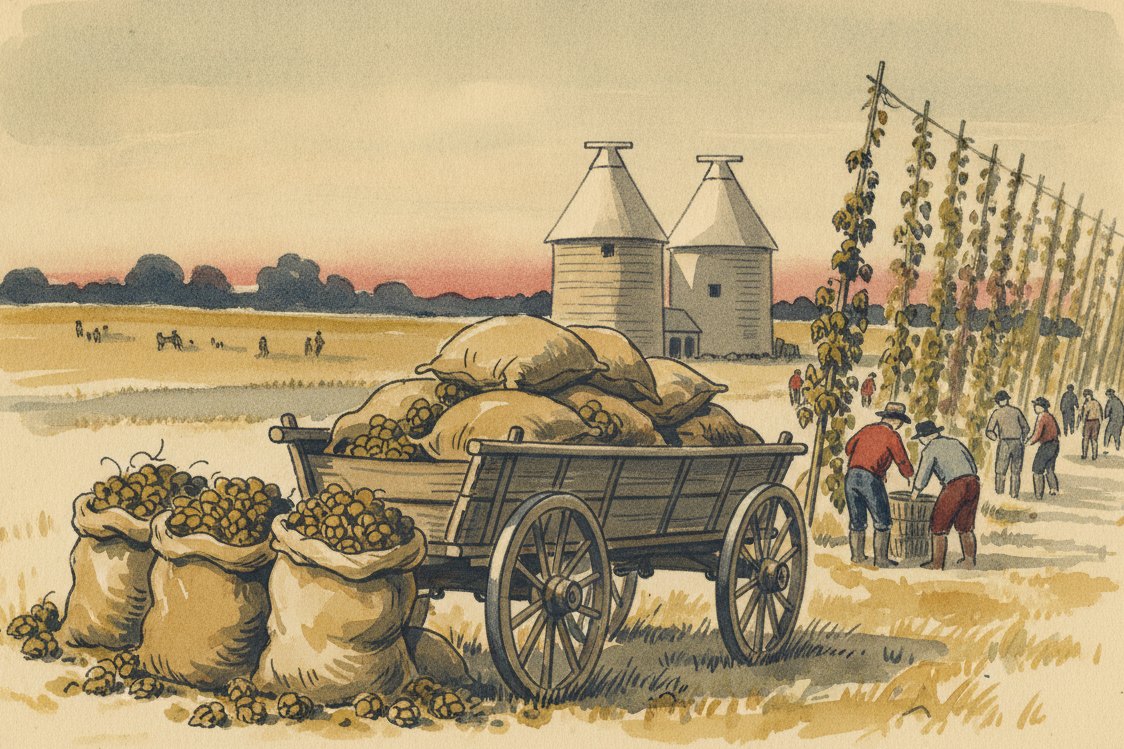
Named for
Named for the coarse basket-woven sacking used to carry hops; the suiting borrowed the weave and kept the name.
Common questions
- What is Hopsack made of?
- Hopsack is the basket weave gone to tailoring: yarns interlaced two-and-two or more, giving an open, breathable cloth with a visible checkerboard grain. It is traditionally made of wool, cotton, or linen.
- Where does Hopsack come from?
- Hopsack comes from the United Kingdom, England, first documented in the 1800s.
- What is Hopsack named after?
- Named for the coarse basket-woven sacking used to carry hops; the suiting borrowed the weave and kept the name.
Sources & References
Related specimens


Stay in the loop
From the Almanac
Updates from Fabric Almanac, when there is something worth sharing.