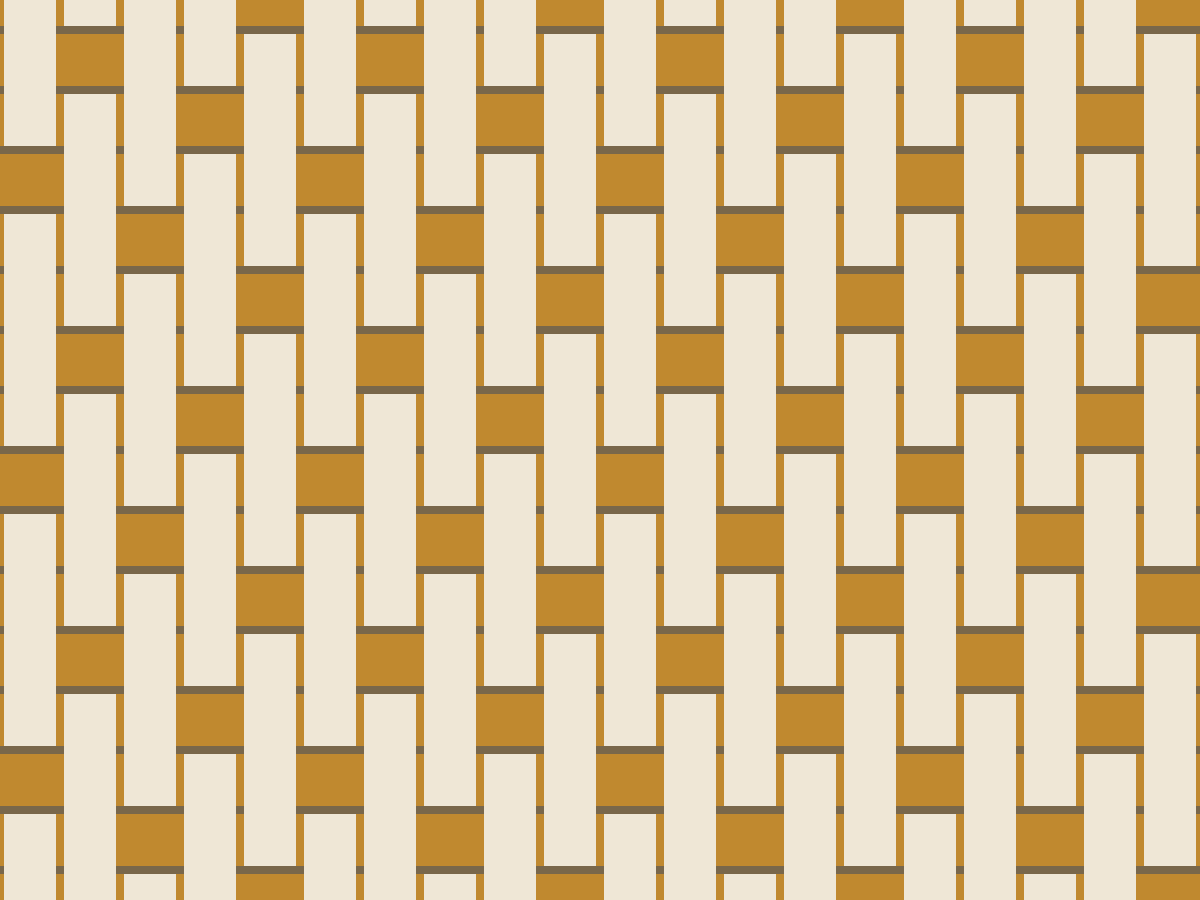
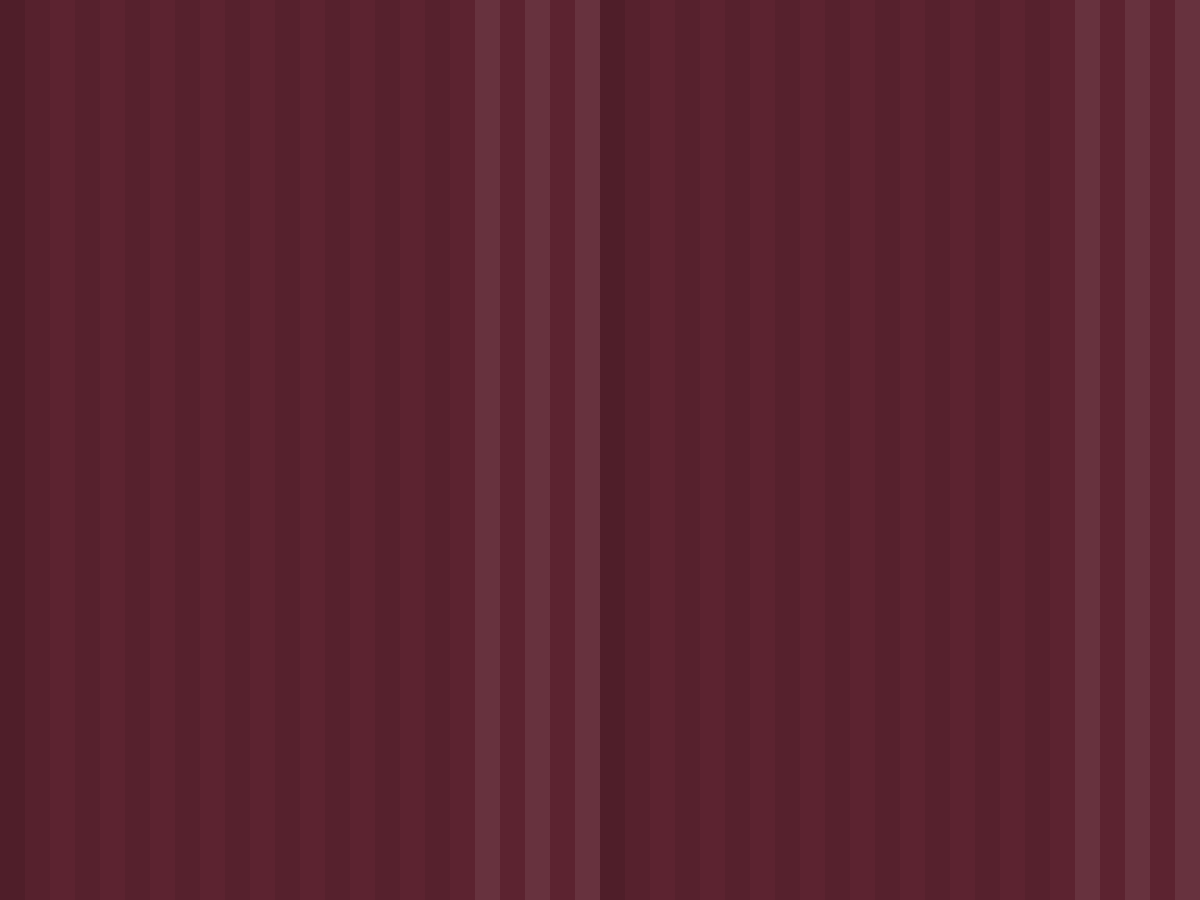
Different warp and weft: the color shifts as the cloth moves.
- First documented
- 1300s
- Origin
- Persia, Iran
- Fiber
- silk, polyester
- Weave
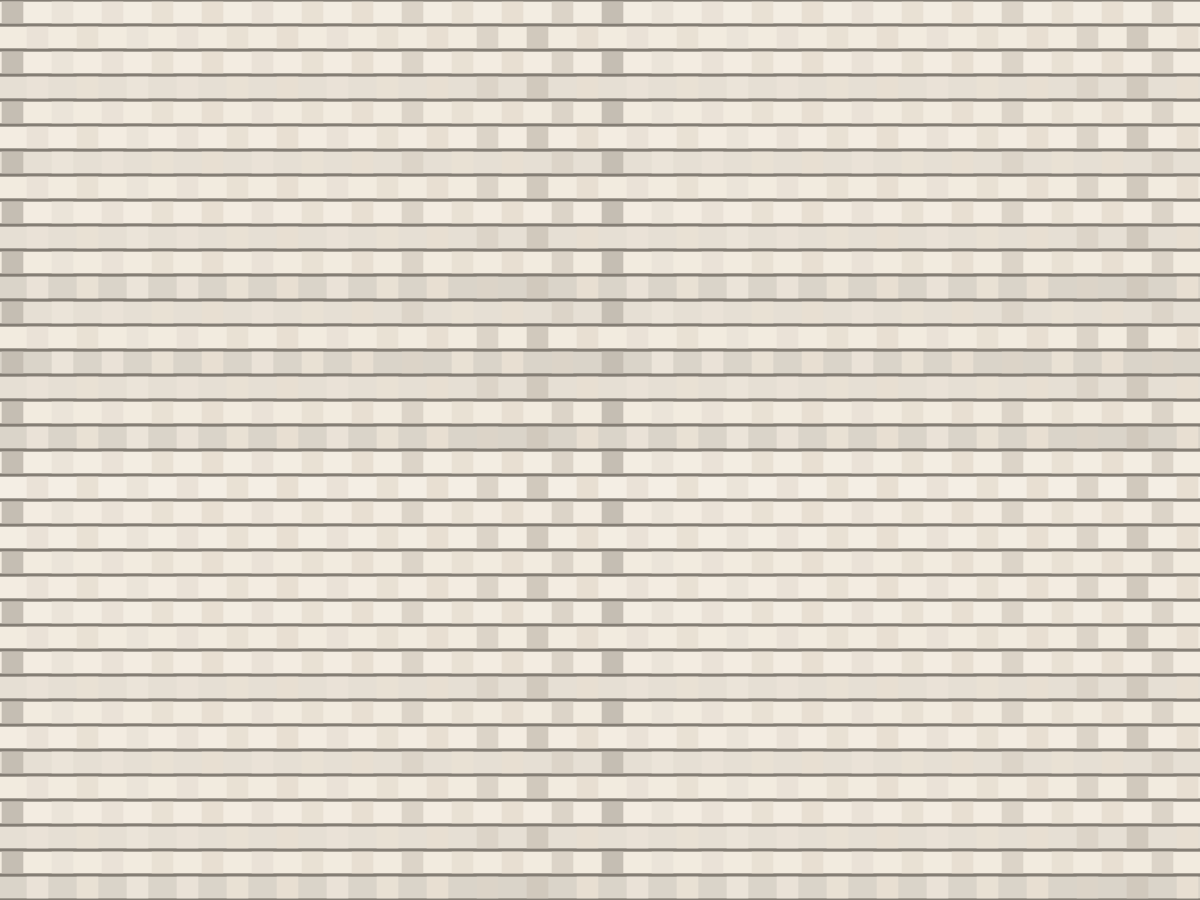
- plain weave, high twist
- Family
- plain
Plate No. 043 · fabric
Taffeta
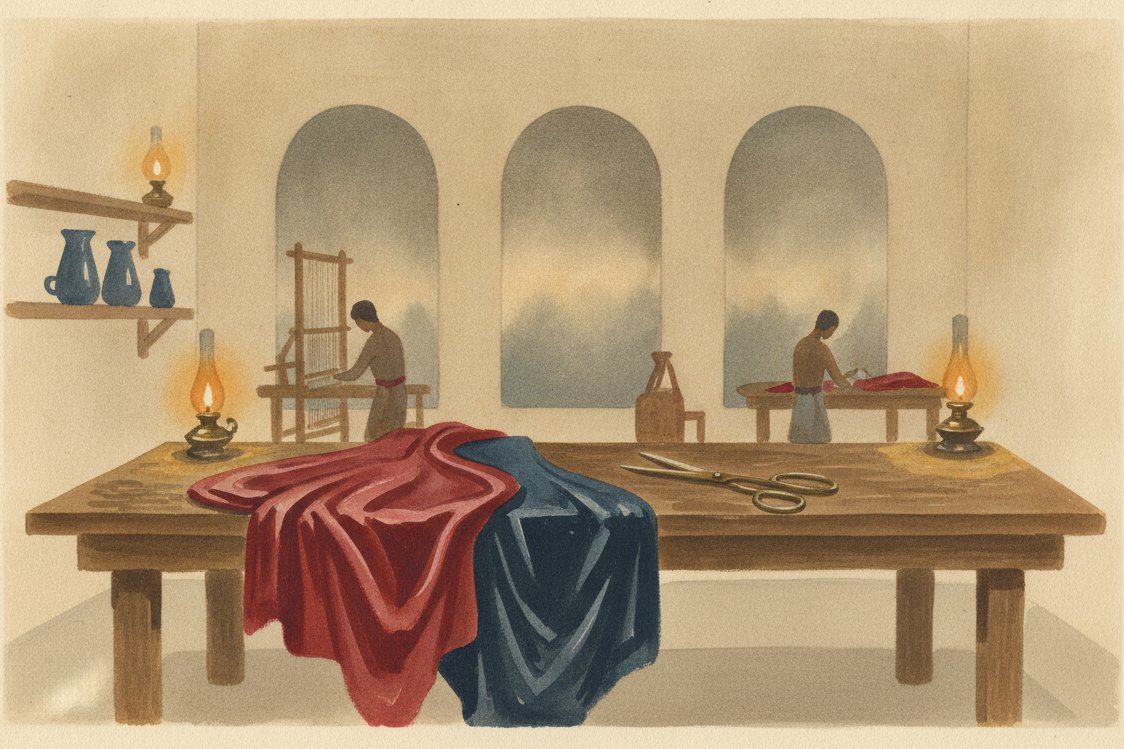
Taffeta is a crisp, smooth plain-weave cloth, classically silk, whose tightly twisted yarns give it body, a fine luster, and the rustle that dressmakers call scroop. Because warp and weft can be dyed different colors, taffeta is the great cloth of shot effects: the surface shifts color as it moves, madder warp flashing against an ink weft. It came west along the Persian trade routes in the Middle Ages and has been formalwear ever since, holding the structured shapes that softer silks collapse.
Named for
From the Persian taftah, meaning twisted or woven, for the crisp glossy silk of the Persian looms.
Common questions
- What is Taffeta made of?
- Taffeta is a crisp, smooth plain-weave cloth, classically silk, whose tightly twisted yarns give it body, a fine luster, and the rustle that dressmakers call scroop.
- Where does Taffeta come from?
- Taffeta comes from Iran, Persia, first documented in the 1300s.
- What is Taffeta named after?
- From the Persian taftah, meaning twisted or woven, for the crisp glossy silk of the Persian looms.
Often confused with
Sources & References
Related specimens


Stay in the loop
From the Almanac
Updates from Fabric Almanac, when there is something worth sharing.