Plate No. 030fabric
- First documented
- 1300s
- Origin
- England, United Kingdom
- Fiber
- wool, cotton
- Weave
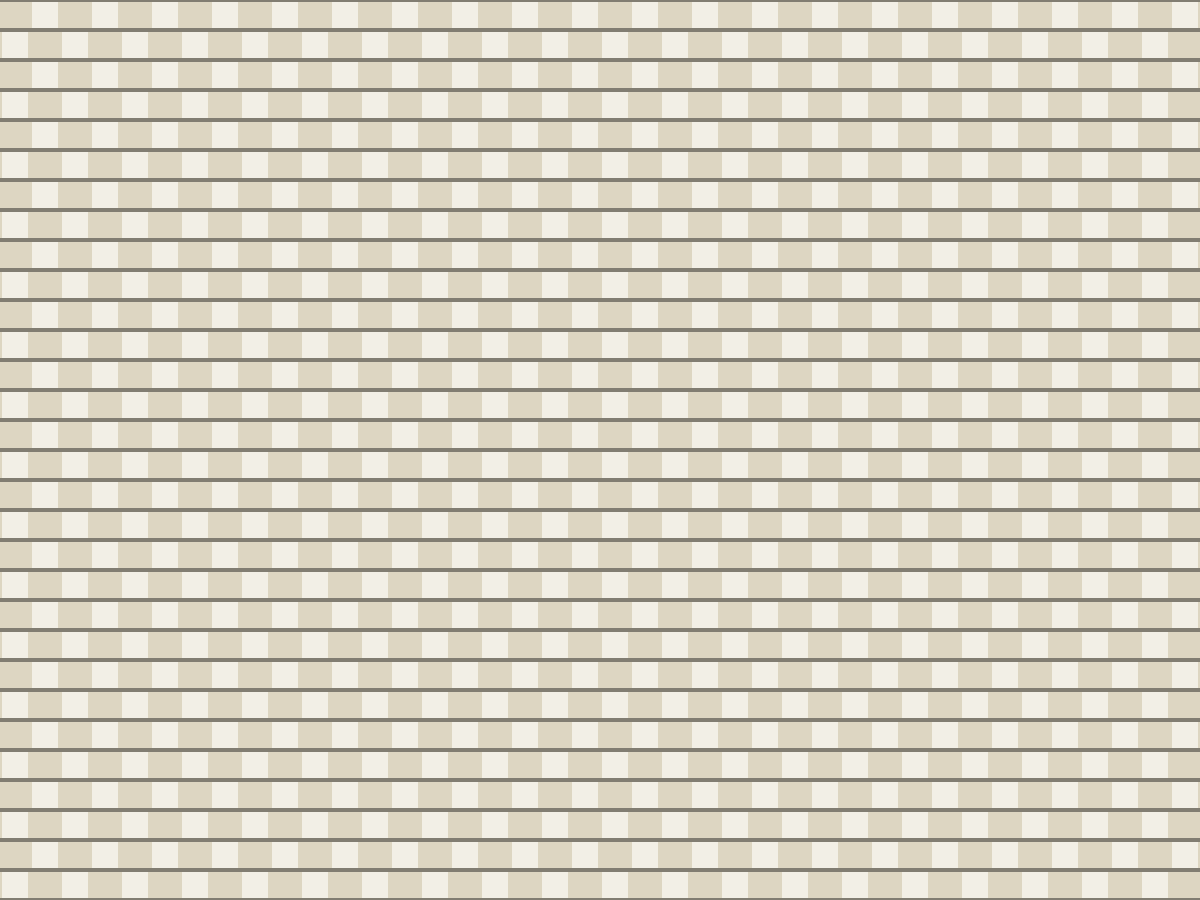
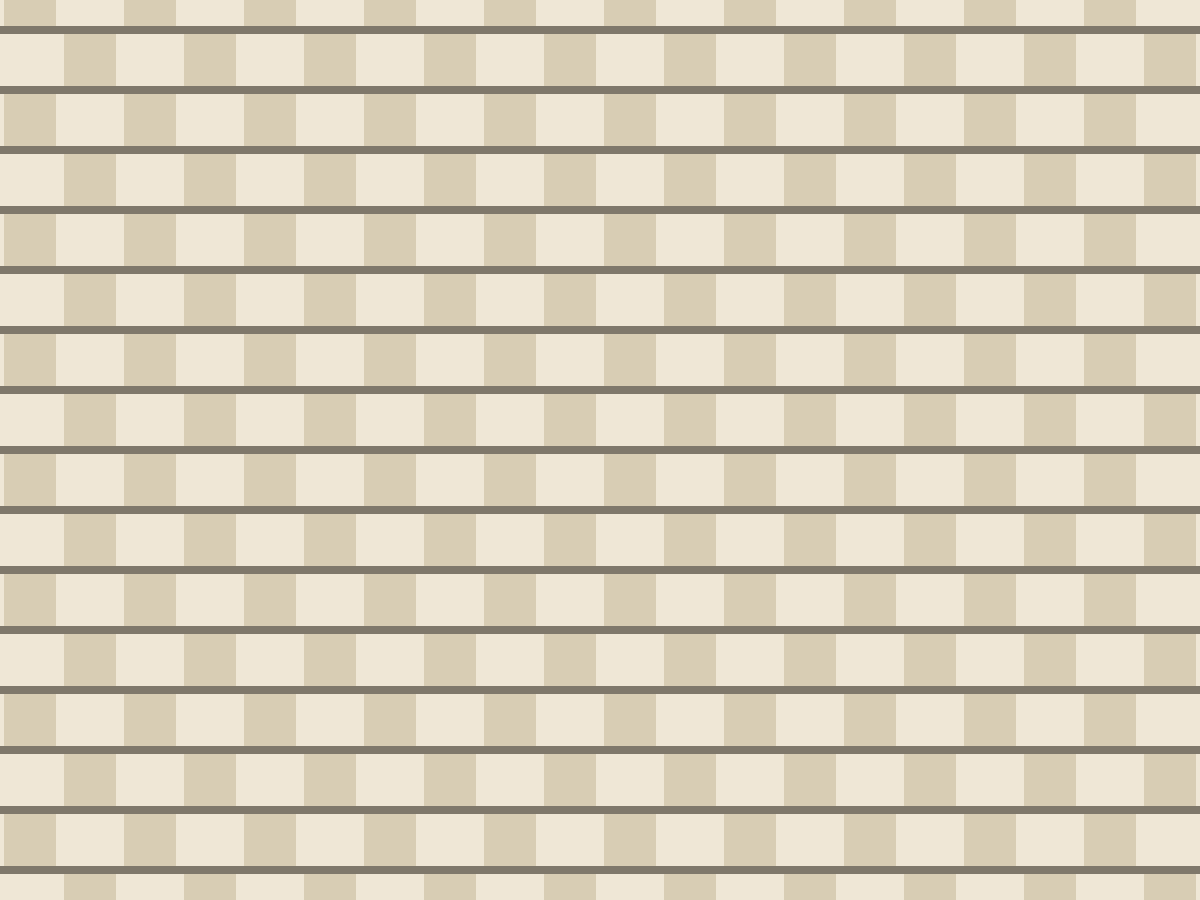
- plain weave (historically fulled wool)
- Family
- plain
Plate No. 030 · fabric
Broadcloth
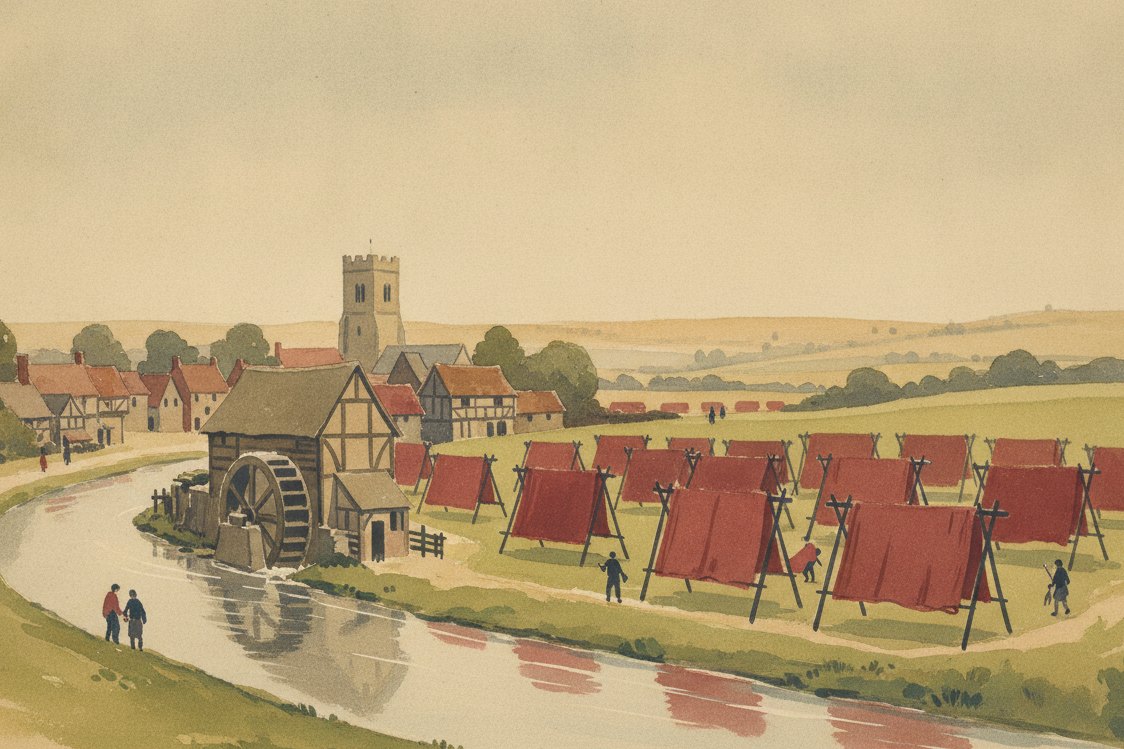
Broadcloth began as the great export wool of medieval England: woven oversized on a broad loom worked by two weavers, then fulled, pounded in water until it shrank and felted into a dense, weatherproof cloth whose weave barely shows. That wool trade financed towns and made the word a synonym for fine cloth. The modern shirting called broadcloth in America is a different animal, a smooth, tightly woven cotton essentially equivalent to poplin, keeping only the name's sense of quality.
Named for
Named for the broad loom it required: the cloth was woven wider than two ells so it could be heavily shrunk in finishing.
Common questions
- What is Broadcloth made of?
- Broadcloth began as the great export wool of medieval England: woven oversized on a broad loom worked by two weavers, then fulled, pounded in water until it shrank and felted into a dense, weatherproof cloth whose weave barely shows.
- What is Broadcloth named after?
- Named for the broad loom it required: the cloth was woven wider than two ells so it could be heavily shrunk in finishing.
Often confused with
Sources & References
- 1.Broadcloth, Wikipedia
- 2.broadcloth, Online Etymology Dictionary
Related specimens
Stay in the loop
From the Almanac
Updates from Fabric Almanac, when there is something worth sharing.