- First documented
- Middle Ages
- Origin
- England, England
- Fiber
- wool
- Weave
- coarse plain-woven wool, undyed or cheaply dyed
- Family
- plain
Plate No. 173 · fabric
Russet
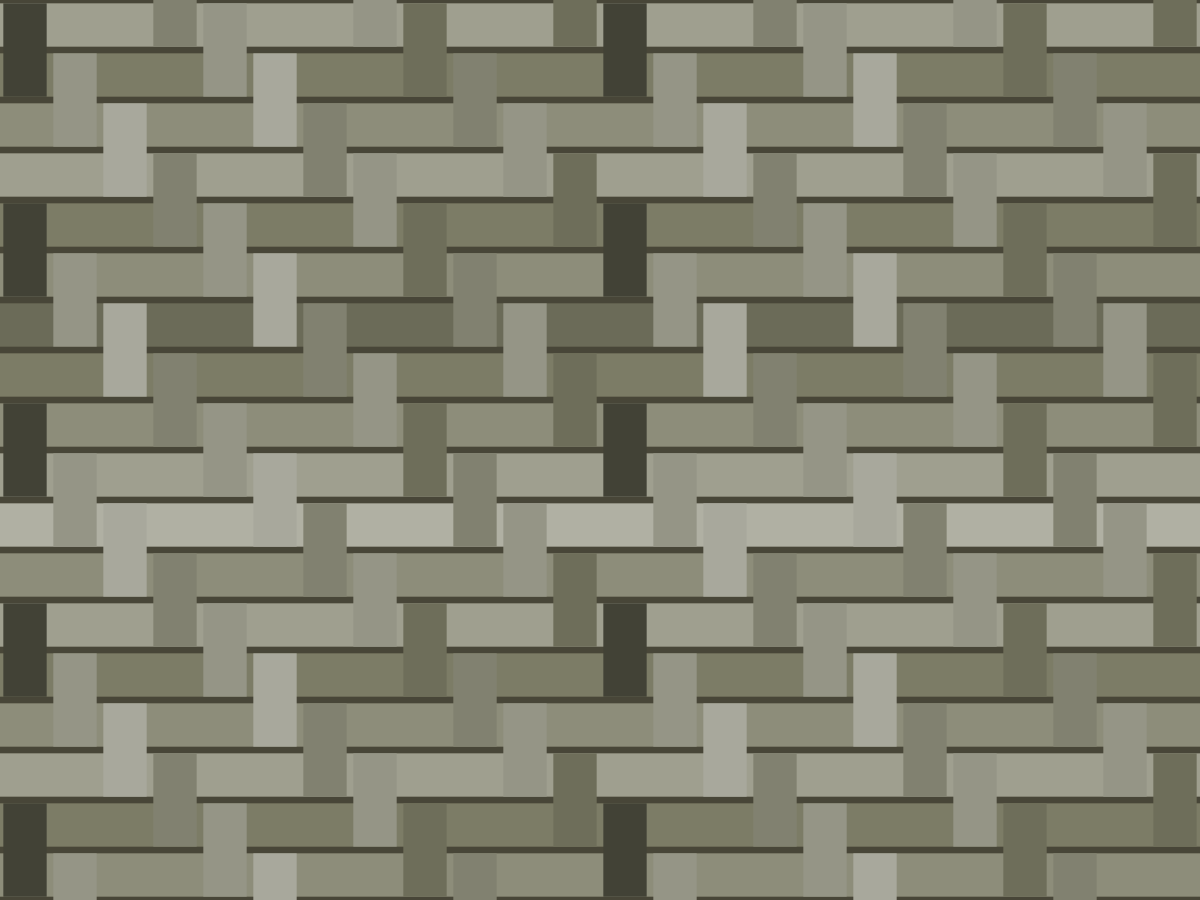
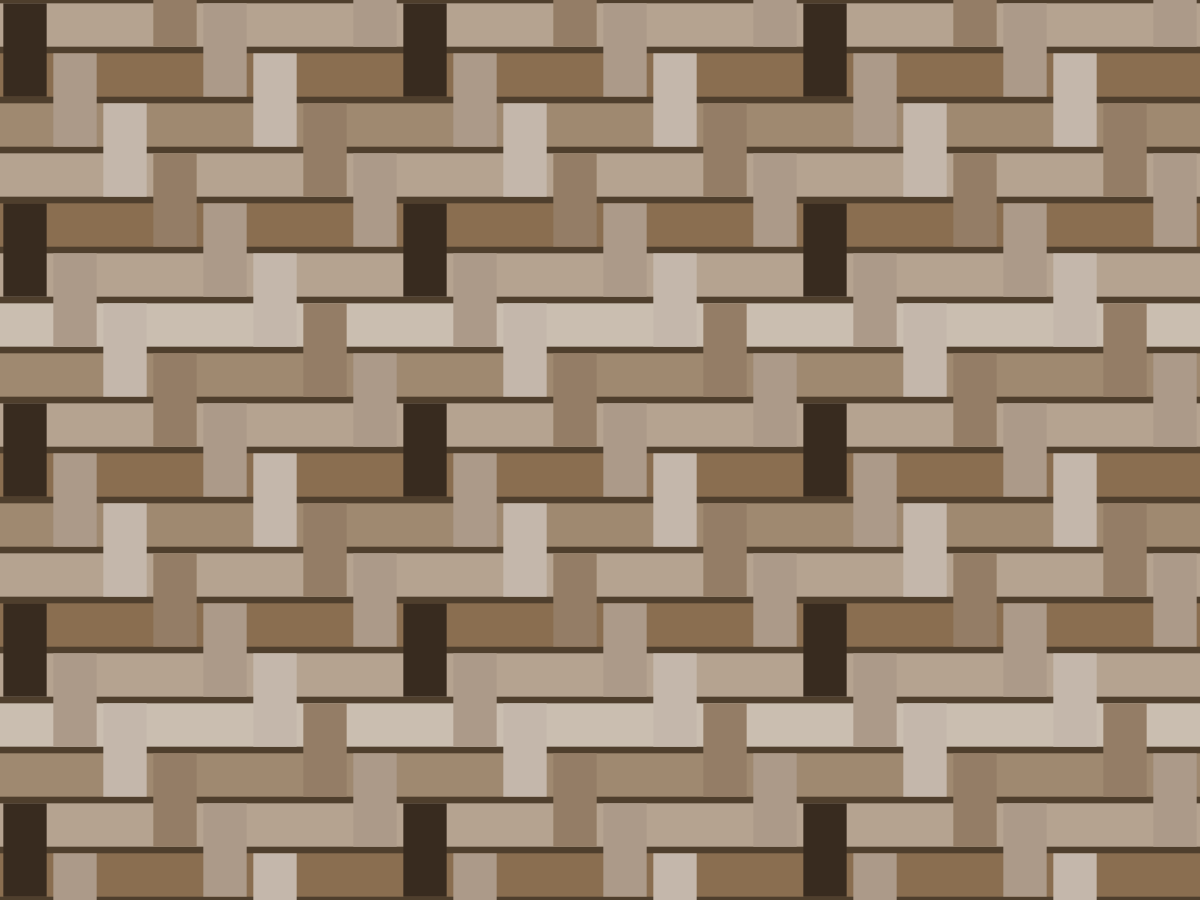
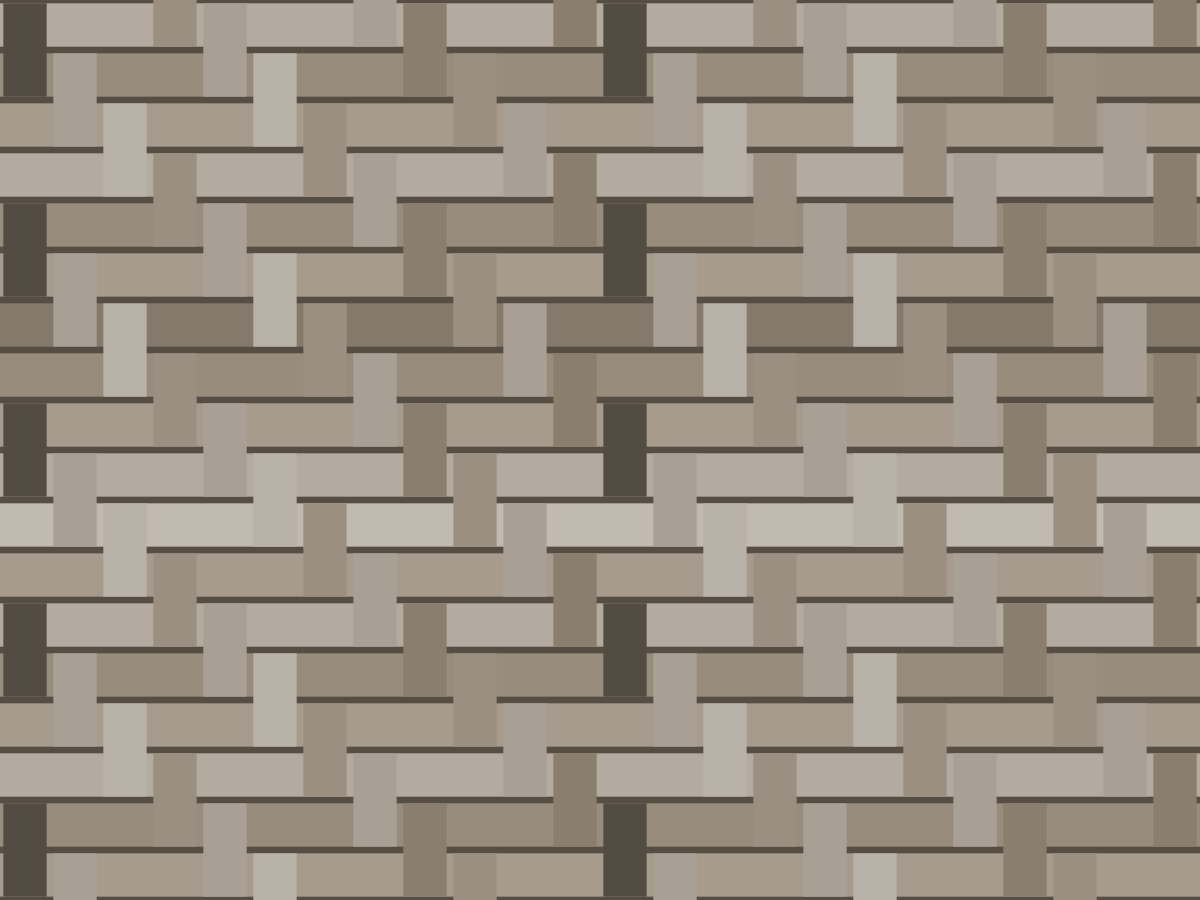
Russet is a coarse, undyed or cheaply dyed woolen cloth, historically the everyday dress of the medieval and early modern poor. Its name described both the cloth and its color, the reddish grey-brown of undyed or madder-dyed wool, and custom tied it so closely to laborers and pilgrims that to wear russet was to signal humility. It appears throughout English writing as the opposite of courtly silk, plain cloth for plain people. The cloth faded from use, but the color name outlived it.
Named for
From the Old French rosset, reddish, a diminutive of ros, red; the word named the color and the coarse cloth dyed in it alike.
Also known as
roset
Modern equivalent
The closest cloth in this catalogue you can source today.
Common questions
- What is Russet made of?
- Russet is a coarse, undyed or cheaply dyed woolen cloth, historically the everyday dress of the medieval and early modern poor.
- Where does Russet come from?
- Russet comes from England, where it dates to the Middle Ages.
- What is Russet named after?
- From the Old French rosset, reddish, a diminutive of ros, red; the word named the color and the coarse cloth dyed in it alike.
From the journal
Sources & References
Related specimens
Stay in the loop
From the Almanac
Updates from Fabric Almanac, when there is something worth sharing.