Plate No. 053fabric
- First documented
- 1700s
- Origin
- France, France
- Fiber
- silk, polyester
- Weave
- plain weave, high-twist crepe yarns
- Family
- plain
Plate No. 053 · fabric
Chiffon
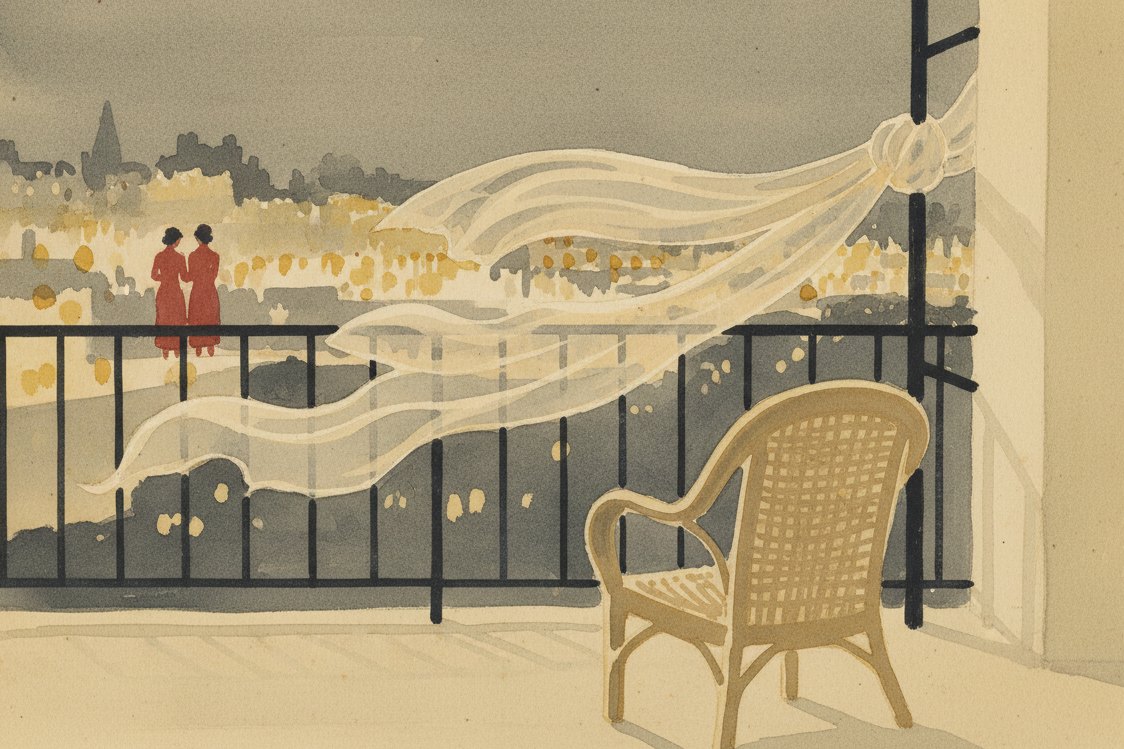
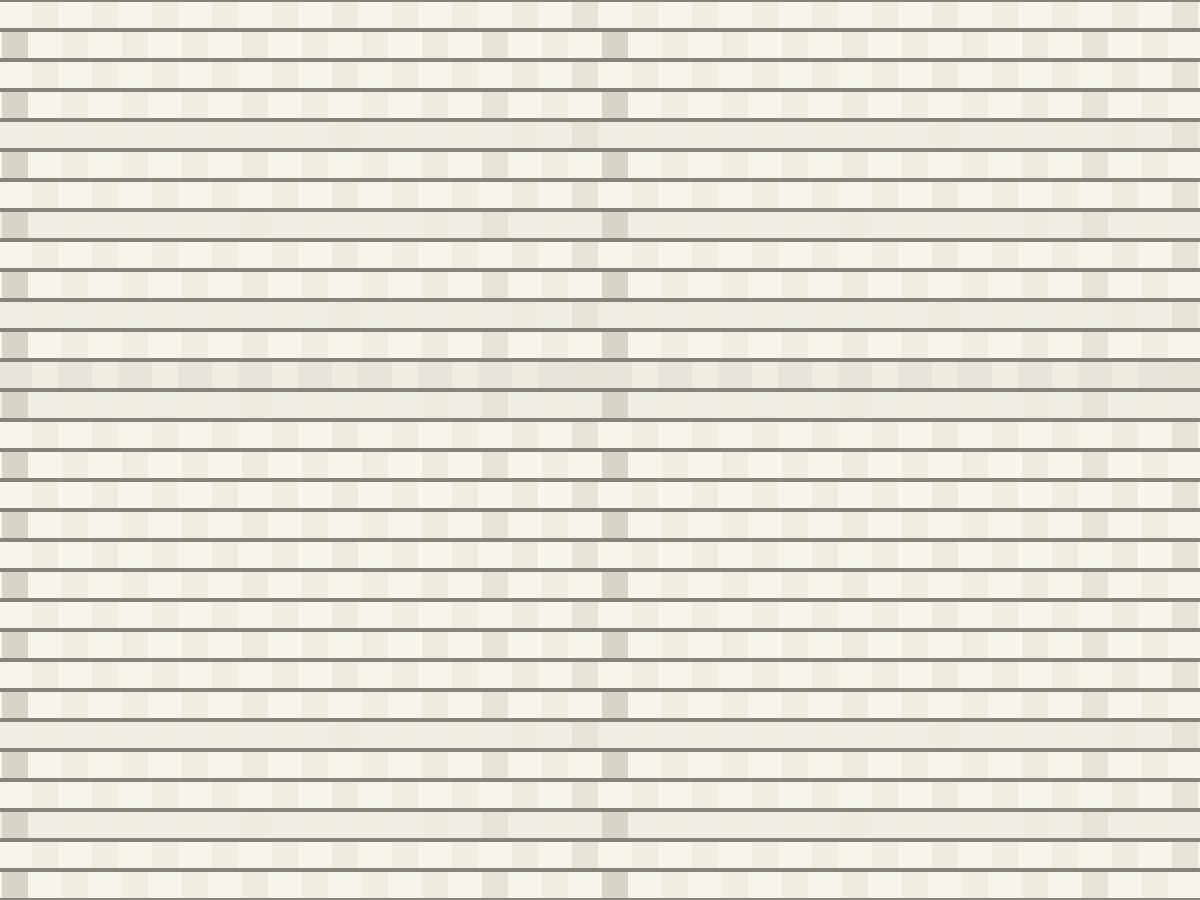
Chiffon is the softest of the sheer plain weaves: woven from alternating high-twist crepe yarns, it carries a faint crinkle that makes the cloth matte, slightly rough to the touch, and fluid in a way no crisp sheer can be. Where organza stands away from the body in sculpted shapes, chiffon falls against it in soft cascades, which is why eveningwear drapes, scarves, and overlays belong to chiffon. Silk chiffon remains notoriously difficult to cut and sew; the cloth shifts under the scissors like water.
Named for
From the French chiffe, a rag or flimsy cloth: a name that began dismissively and ended up meaning elegance.
Common questions
- What is Chiffon made of?
- Chiffon is the softest of the sheer plain weaves: woven from alternating high-twist crepe yarns, it carries a faint crinkle that makes the cloth matte, slightly rough to the touch, and fluid in a way no crisp sheer can be. It is traditionally made of silk or polyester.
- Where does Chiffon come from?
- Chiffon comes from France, first documented in the 1700s.
- What is Chiffon named after?
- From the French chiffe, a rag or flimsy cloth: a name that began dismissively and ended up meaning elegance.
Often confused with
Sources & References
- 1.Chiffon (fabric), Wikipedia
- 2.chiffon, Wiktionary
Related specimens



Stay in the loop
From the Almanac
Updates from Fabric Almanac, when there is something worth sharing.