Pattern family
Prints & Resist-Dyes
These cloths are defined not by how they are woven but by how their color is put on or kept off. The resist-dyes block dye from reaching parts of the cloth or yarn: wax in batik, bound knots in tie-dye and bandhani, tied yarn in ikat, and starch, stitches, or ties in the indigo adire of the Yoruba. The prints lay color onto finished cloth, as in hand block printing. The renders here are stylized house impressions of each technique's signature look, not reproductions of any one piece.
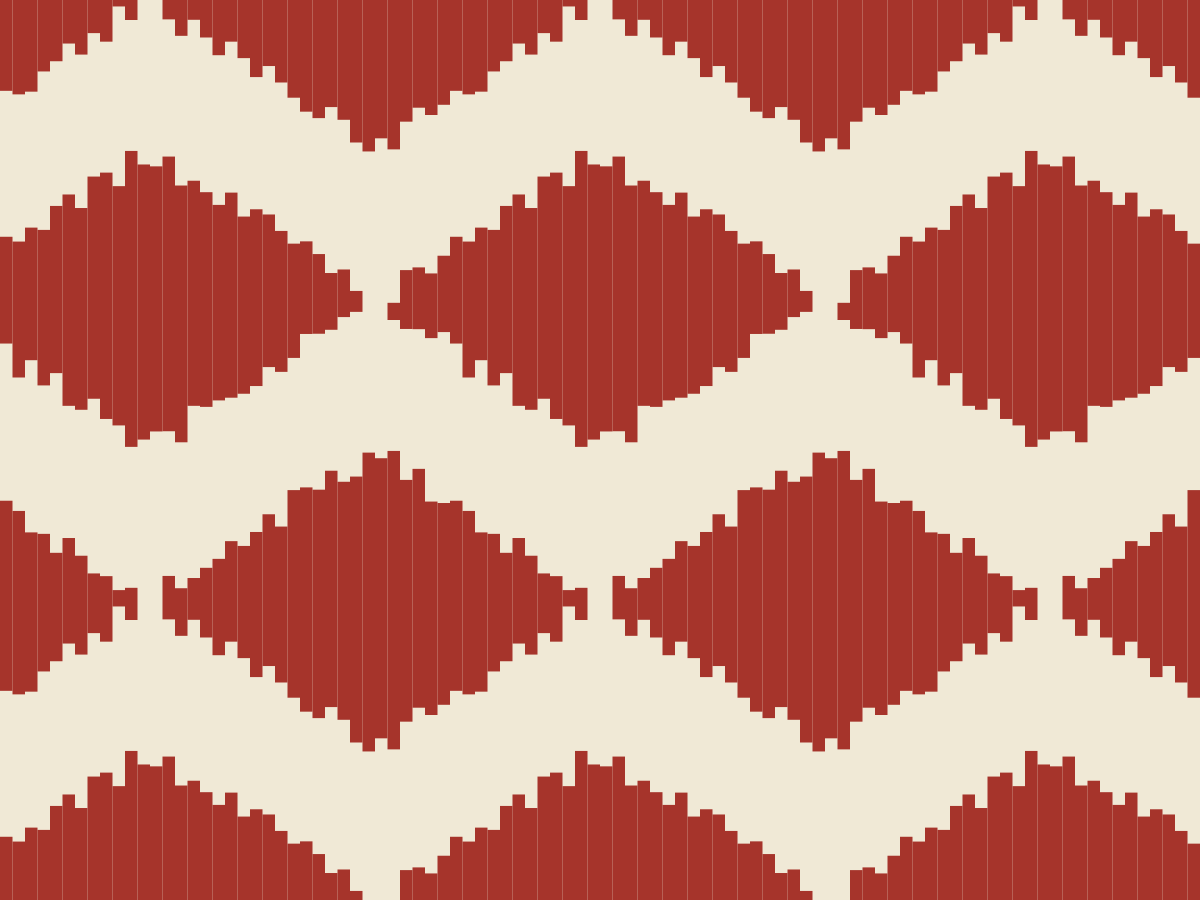
Ikat
No. 049pattern · prints
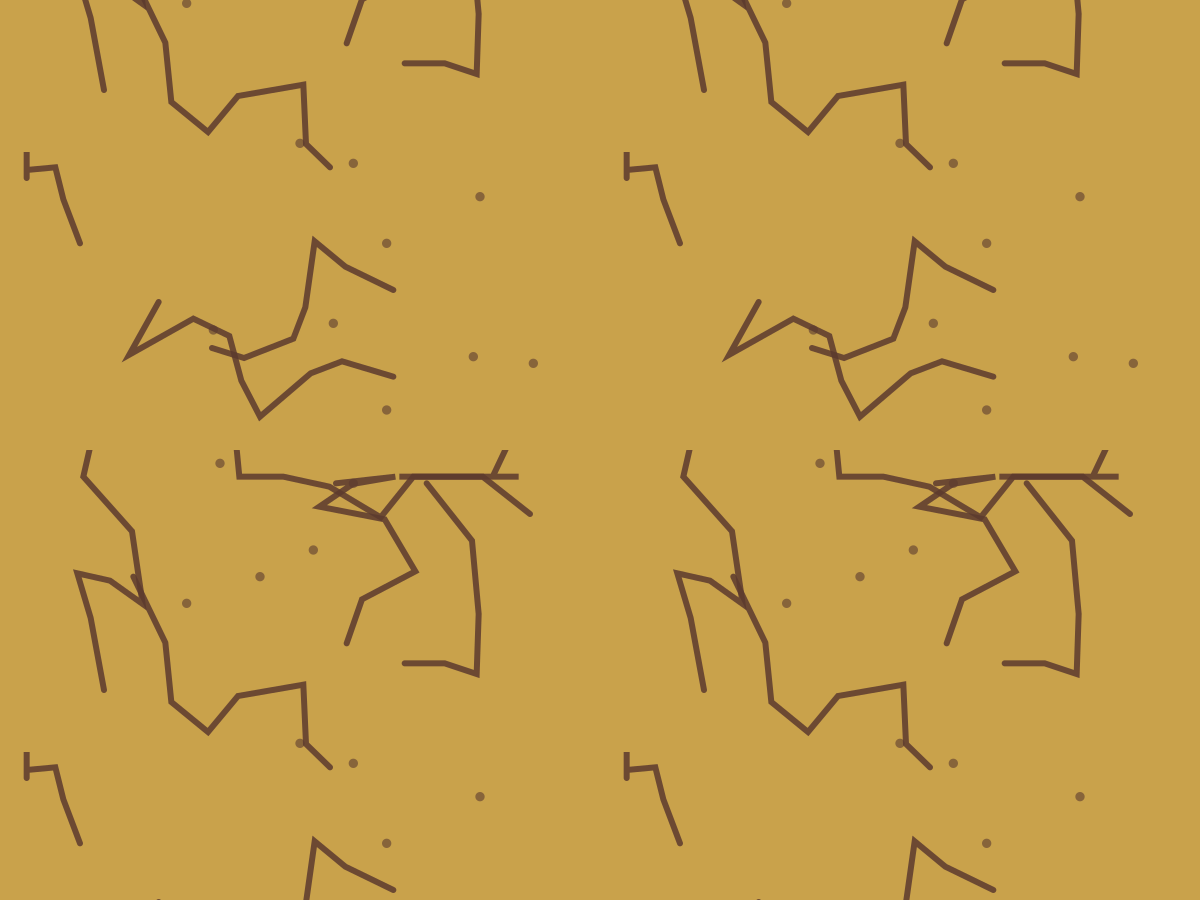
Batik
No. 065pattern · prints

Tie-Dye
No. 154pattern · prints

Bandhani
No. 155pattern · prints
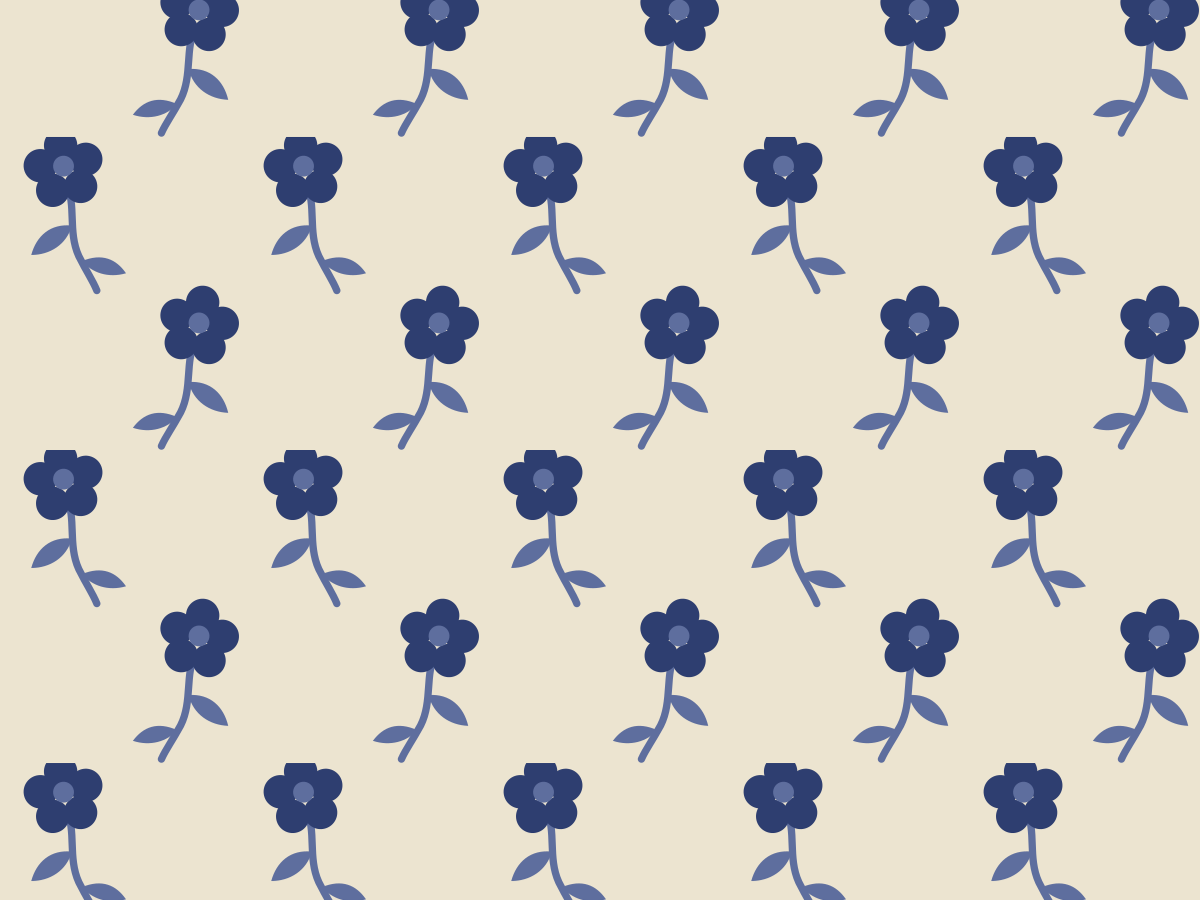
Block Print
No. 156pattern · prints
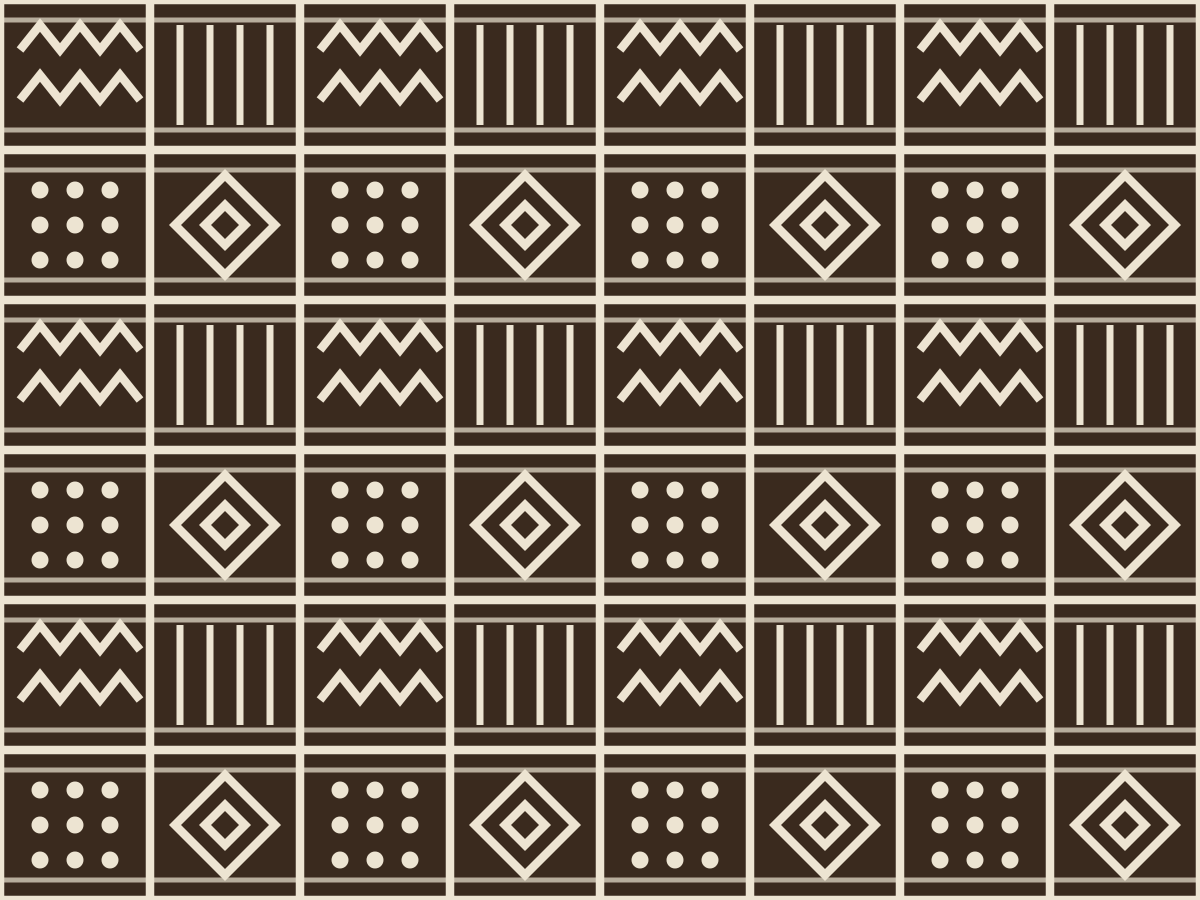
Mud Cloth
No. 162fabric · prints
Adire
No. 165pattern · prints
Settle the confusions
From the journal
Most cloth gets its pattern on the loom. A whole world of textiles instead keeps the dye out, or adds thread on top. A tour of resist and needle.
Why Denim Fades (and Why We Pay Extra for It) →Denim's fade is engineering, not accident: ring-dyed yarn, exposed twill floats, and an indigo that never fully bonds. The flaws are the product.
Guaranteed to Bleed: How a Flaw Sold Madras →Authentic madras ran in the wash, ruining customers' clothes. Then one of advertising's great reversals turned the defect into the proof of the real thing.