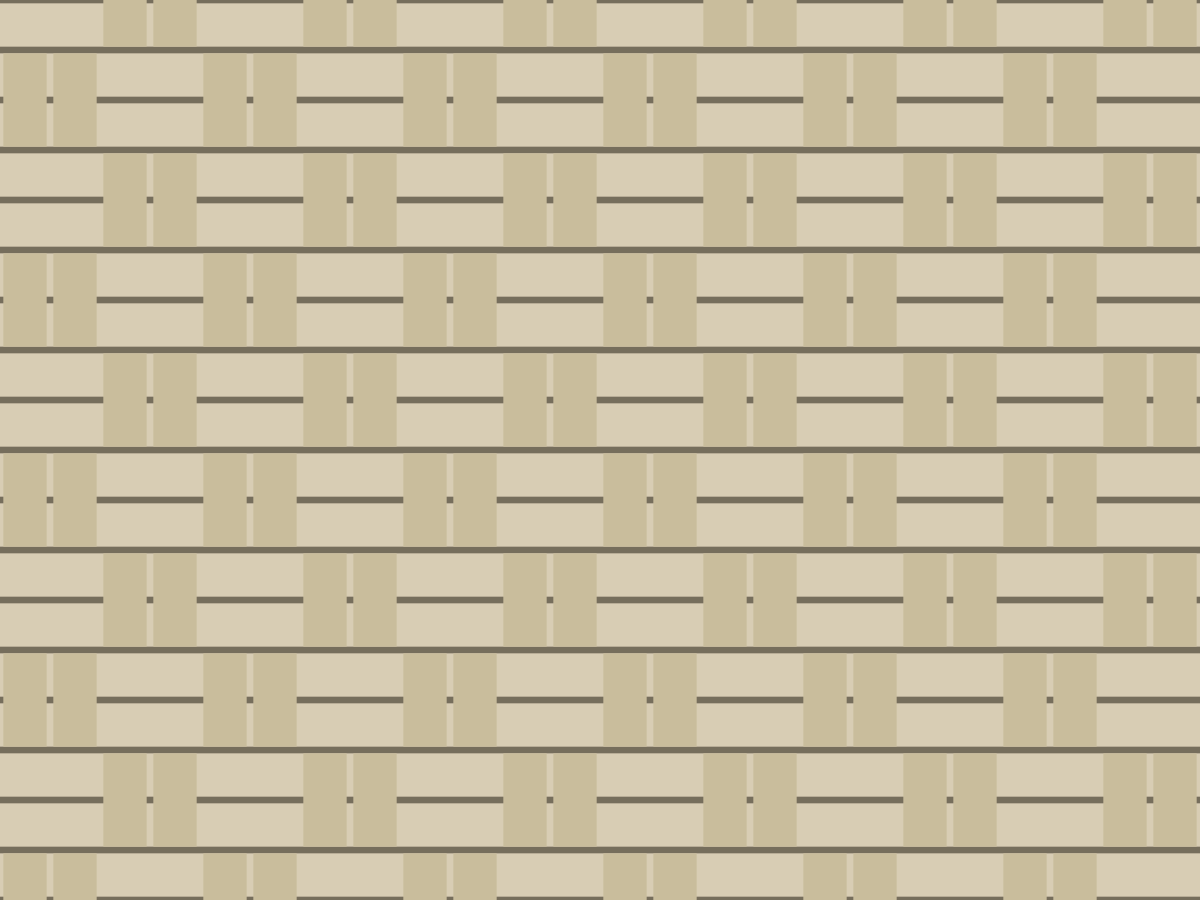
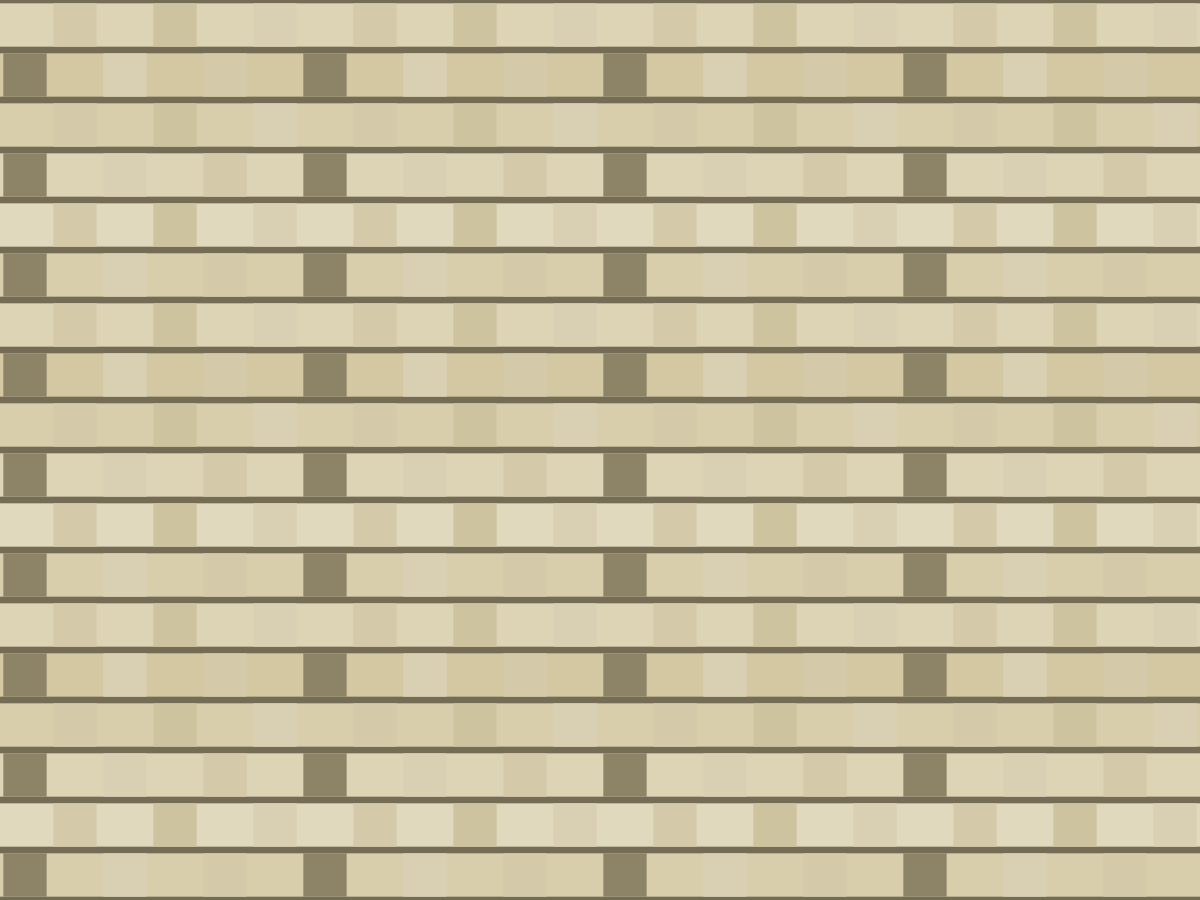
The coarse open weave of the sack.
- First documented
- 1800s
- Origin
- Bengal, India
- Fiber
- jute, hemp
- Weave
- coarse plain weave
- Family
- plain
Plate No. 101 · fabric
Burlap
Burlap, called hessian outside North America, is the coarsest working cloth in the catalogue: a rough, loose plain weave of jute fiber, cheap, breathable, and strong enough to hold what is poured into it. It is the cloth of the sack, of coffee and grain and potatoes, of sandbags and gunny sacks, of the painter's coarsest canvas and the gardener's root wrap. Jute milled in Bengal and Dundee made and moved the commodities of empire, and the smell of burlap is still the smell of a feed store.
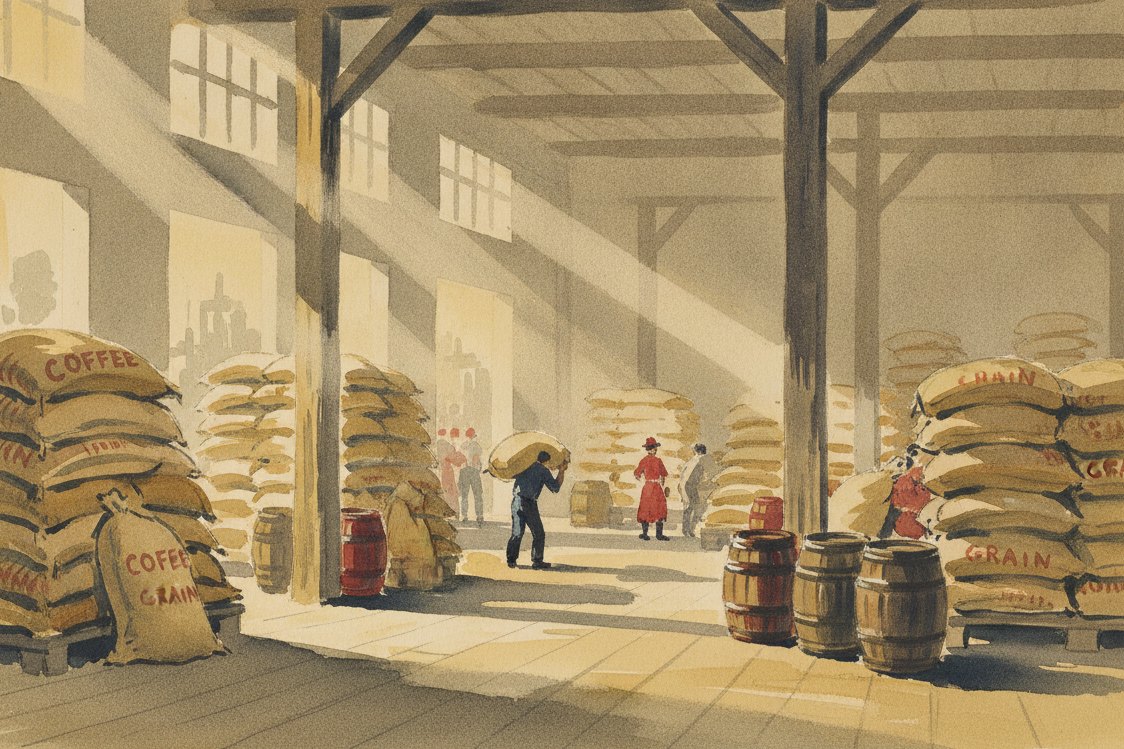
Named for
The American name; called hessian in Britain after the Hessian soldiers whose coarse cloth it resembled.
Also known as
hessian, gunny
Common questions
- What is Burlap made of?
- Burlap, called hessian outside North America, is the coarsest working cloth in the catalogue: a rough, loose plain weave of jute fiber, cheap, breathable, and strong enough to hold what is poured into it.
- Where does Burlap come from?
- Burlap comes from India, Bengal, first documented in the 1800s.
- What is Burlap named after?
- The American name; called hessian in Britain after the Hessian soldiers whose coarse cloth it resembled.
Often confused with
Sources & References
- 1.Hessian fabric, Wikipedia
- 2.Jute, Wikipedia
Related specimens
Stay in the loop
From the Almanac
Updates from Fabric Almanac, when there is something worth sharing.