Pattern family
Checks
Checks are patterns of crossing stripes, woven or printed so that vertical and horizontal bands intersect in a grid. The family runs from the smallest gingham to bold buffalo blocks and the layered architecture of glen plaid, and every member is defined by the same two questions: how wide are the bands, and what happens where they cross.
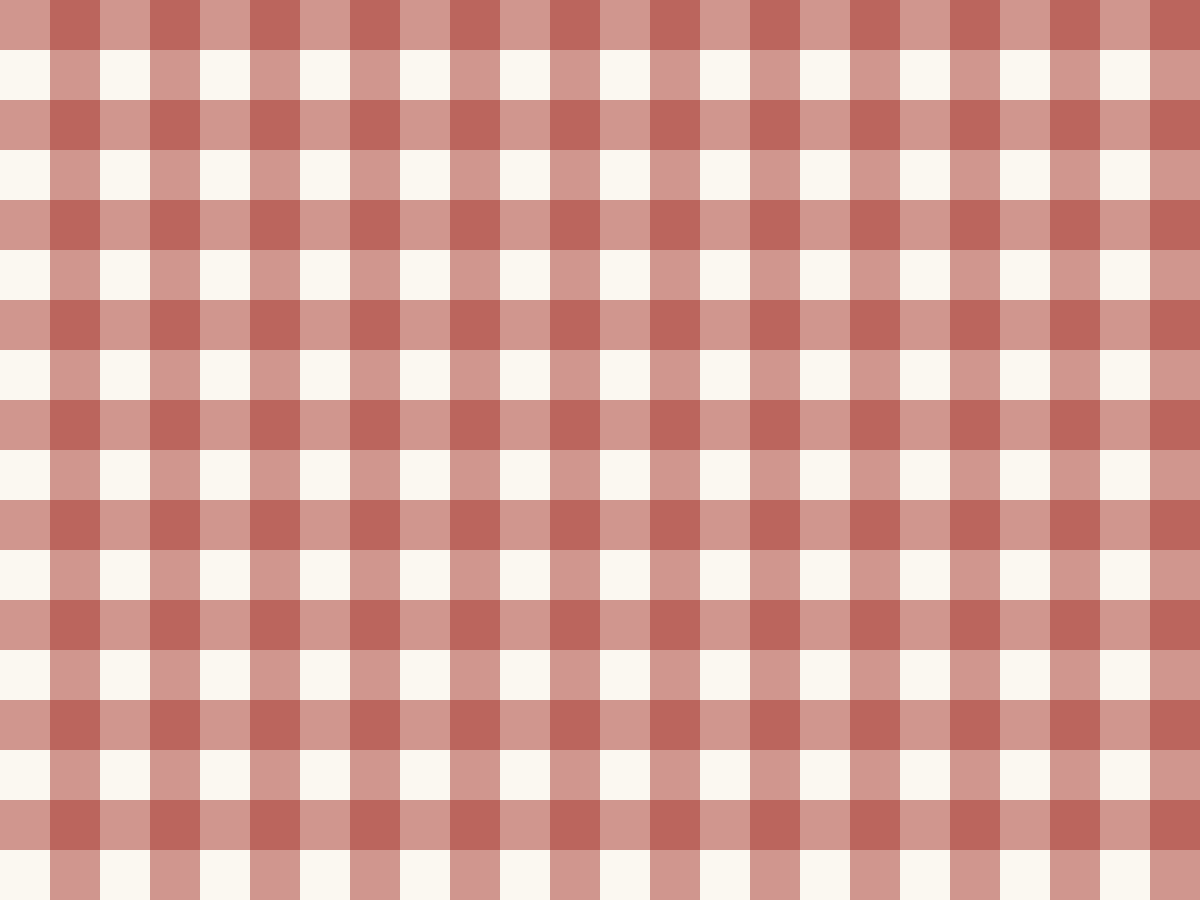
Gingham
No. 001pattern · checks
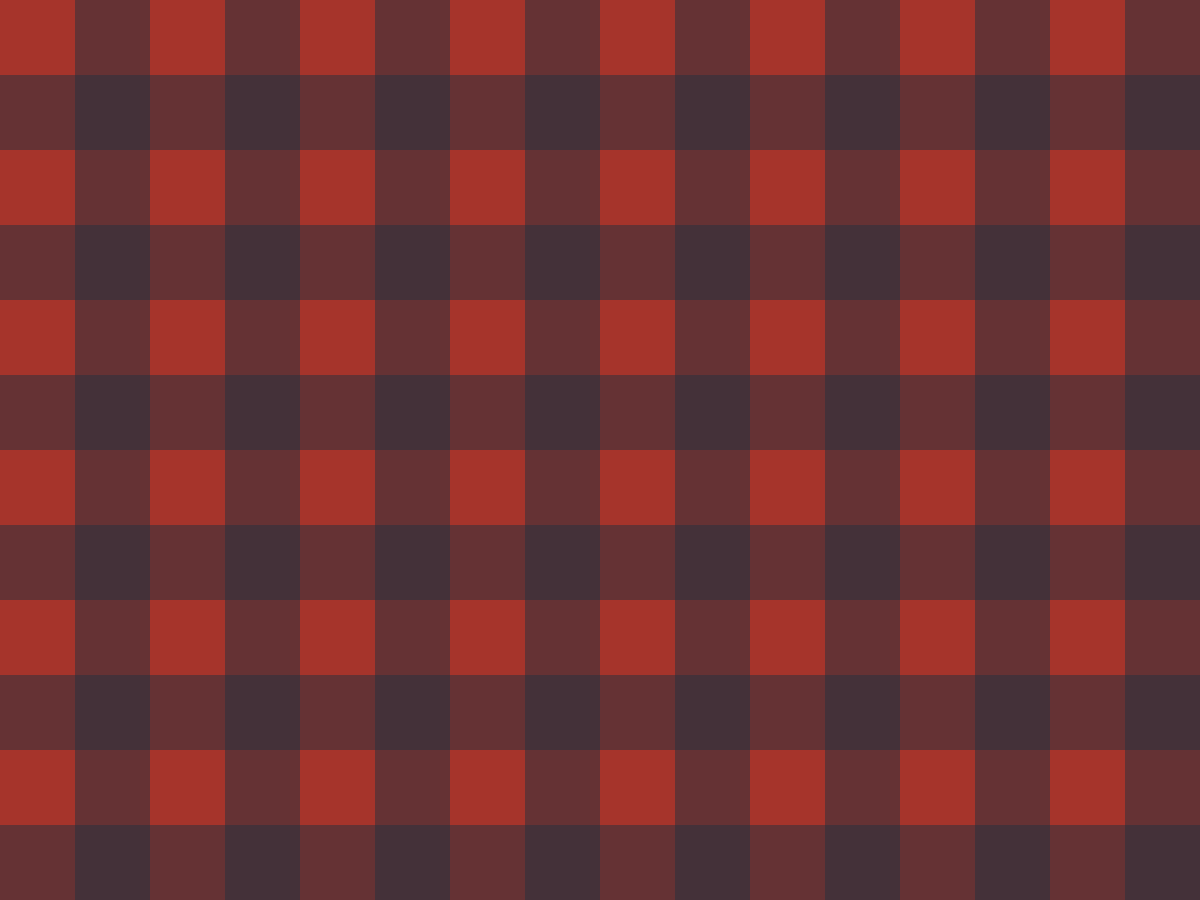
Buffalo Check
No. 002pattern · checks

Windowpane
No. 003pattern · checks
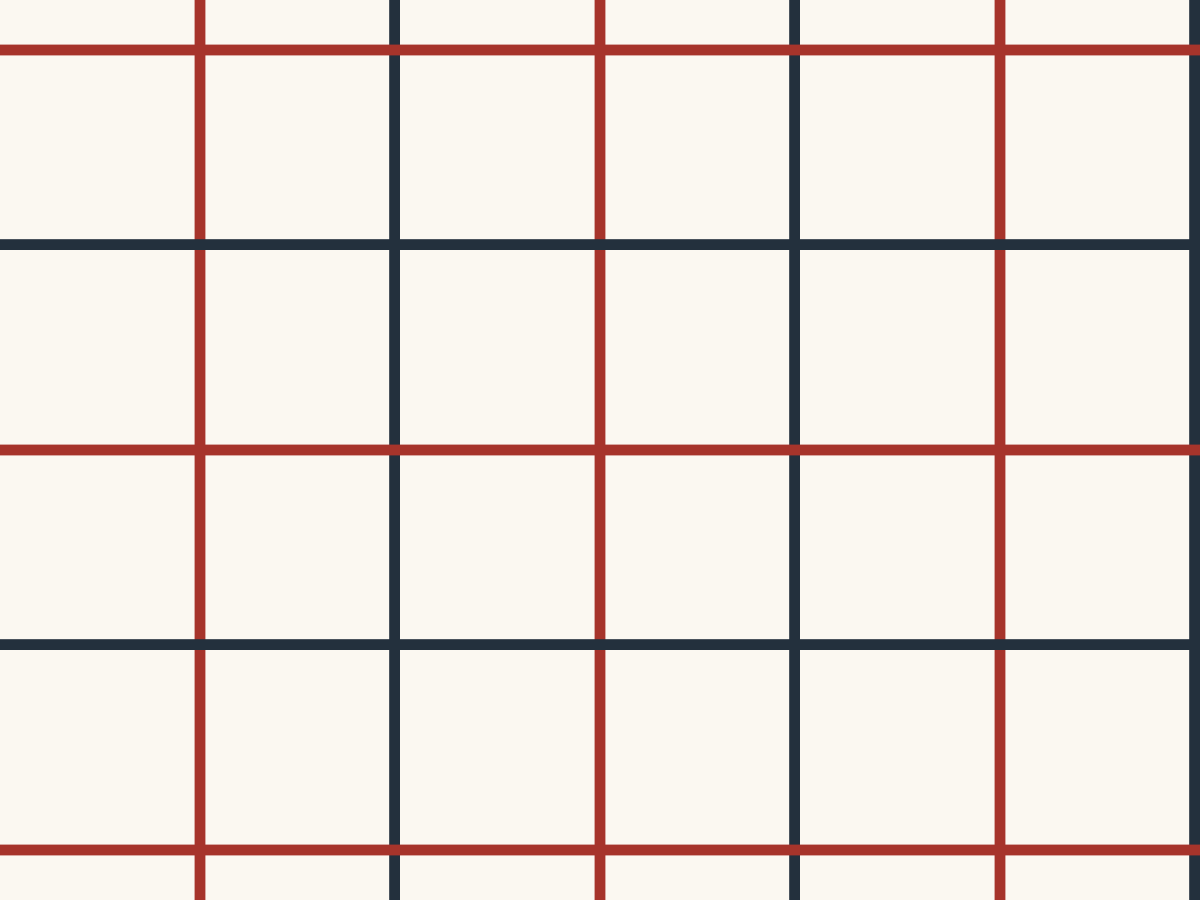
Tattersall
No. 004pattern · checks
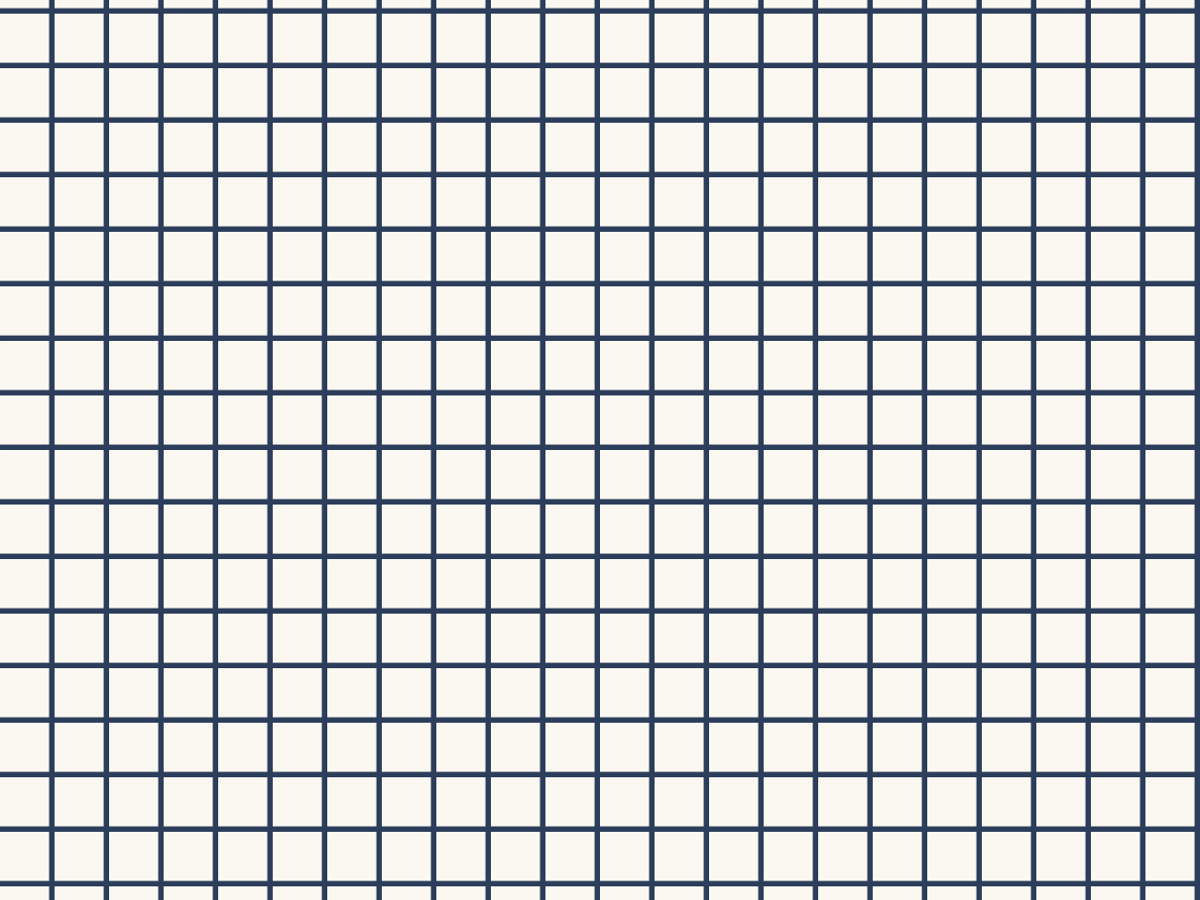
Graph Check
No. 005pattern · checks
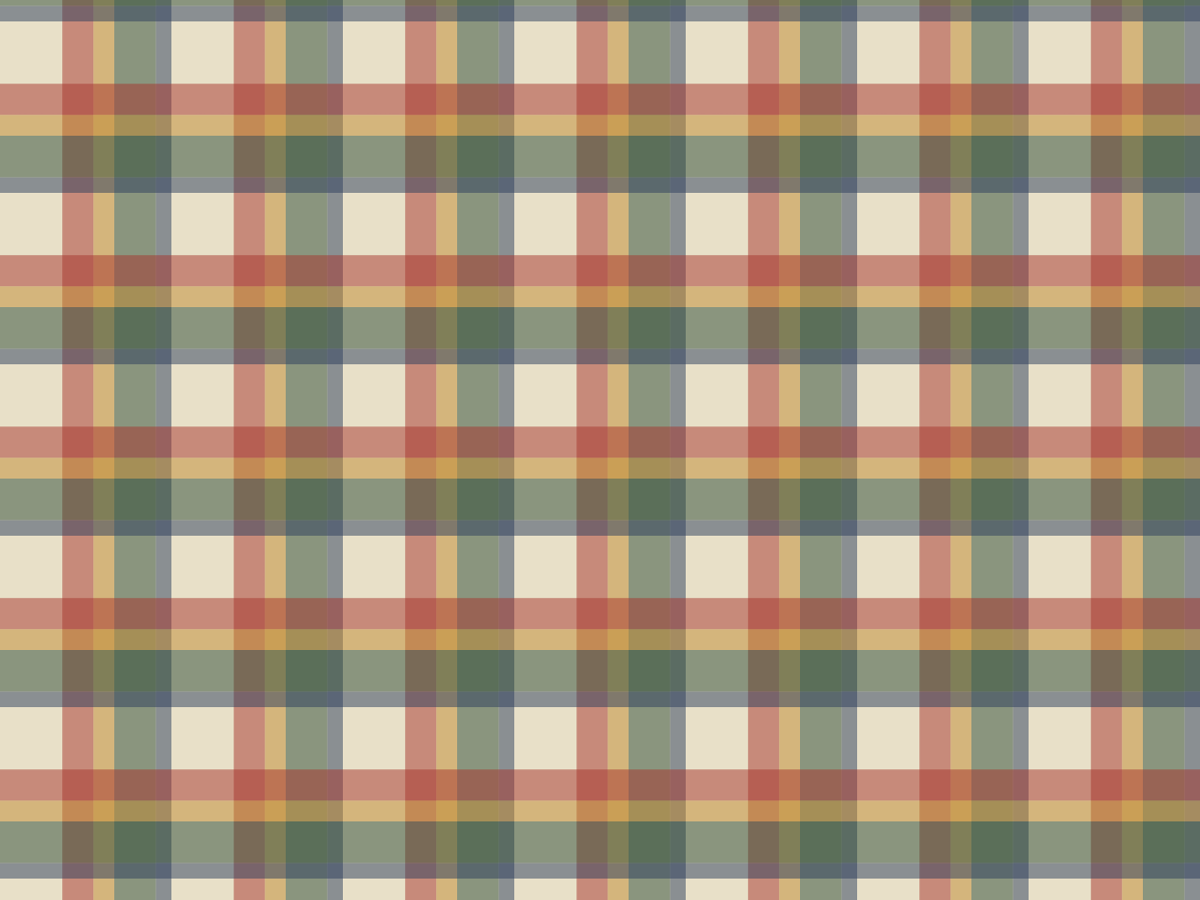
Madras
No. 033fabric · checks
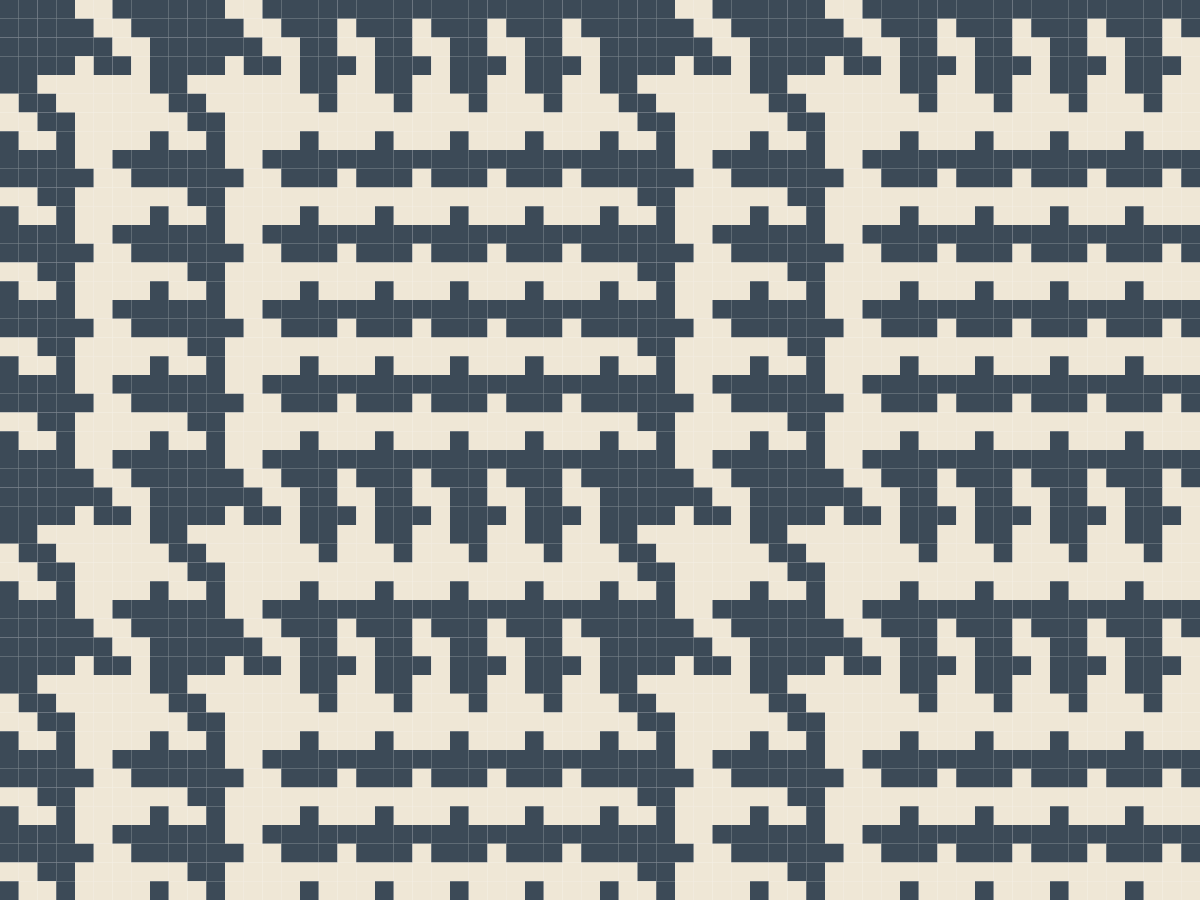
Glen Plaid
No. 034pattern · checks
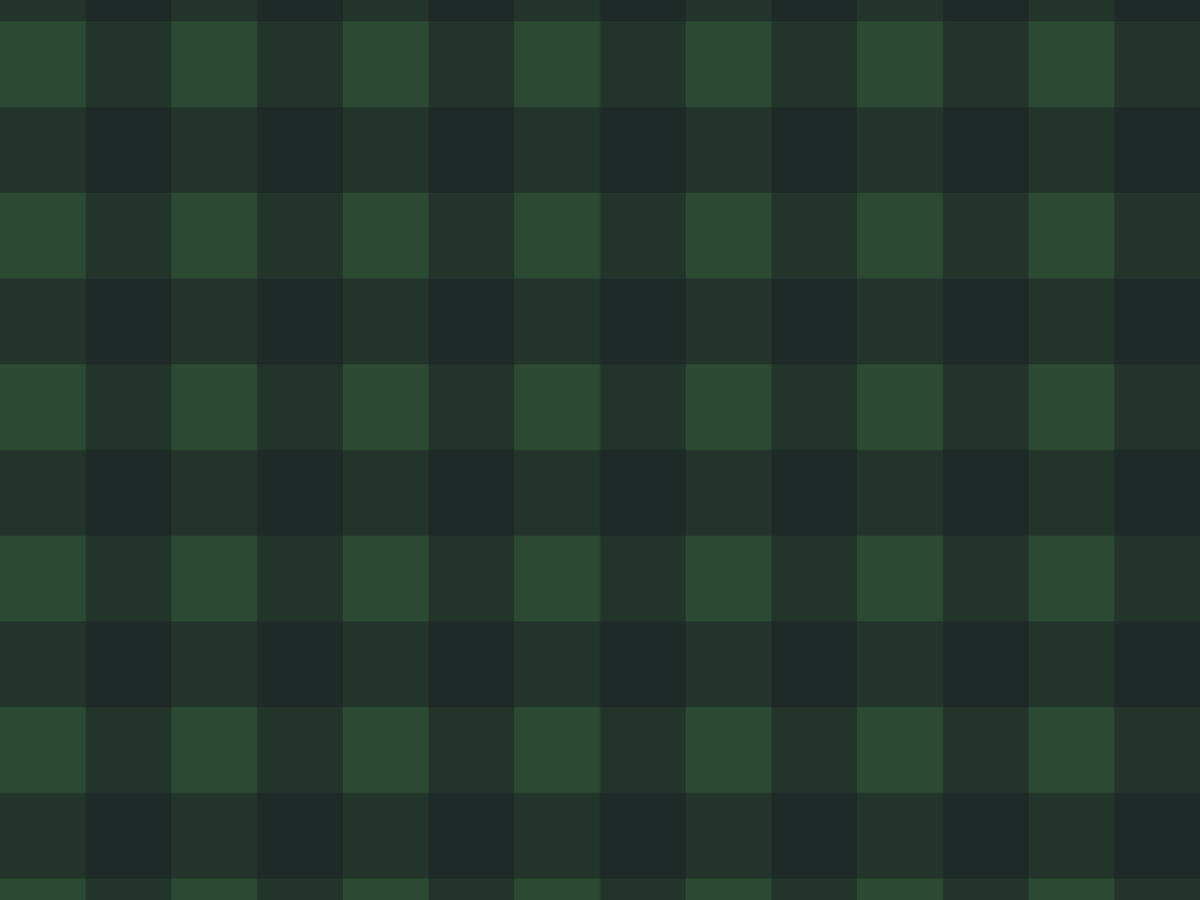
Mackinaw
No. 081fabric · checks
Settle the confusions
From the journal
Linen, seersucker, and chambray all promise a cool summer. The difference is where each one gets it: the fiber, the weave, or how little it touches skin.
Plain, Twill, Satin: The Three Weaves Everything Is Made From →Almost every woven cloth is one of three interlacings. The only difference is how often the warp and weft cross. Here is the whole grammar of weaving.
The Geography of Cloth Names →A surprising number of fabric names are just place names. Denim, jeans, calico, muslin, duffel: the catalogue of cloth is also a map of medieval trade.
The Cloth That Built Manchester →Plain cotton cloth made Manchester the first industrial city, drove the factory system and the cotton famine, and remade the world. The cloth is gingham.
Why Denim Fades (and Why We Pay Extra for It) →Denim's fade is engineering, not accident: ring-dyed yarn, exposed twill floats, and an indigo that never fully bonds. The flaws are the product.
The Calico Acts: When Britain Banned Cotton →Indian printed cottons were so popular that Britain outlawed them for half a century. The ban backfired into the Industrial Revolution.
Woven Air: The Finest Cloth Ever Made →Dhaka muslin was so fine that whole garments could pass through a ring. Industrialization destroyed the trade, and the word fell from luxury to lining.
Guaranteed to Bleed: How a Flaw Sold Madras →Authentic madras ran in the wash, ruining customers' clothes. Then one of advertising's great reversals turned the defect into the proof of the real thing.
How Houndstooth Is Actually Woven →Houndstooth is not a printed motif. The jagged tooth emerges from a 2/2 twill and a simple color order. Here is the construction, step by step.