The color came from the cotton itself, not from dye.
- First documented
- 1600s
- Origin
- Nanjing, Jiangsu, China
- Fiber
- cotton
- Weave
- plain weave
- Family
- plain
Plate No. 080 · fabric
Nankeen
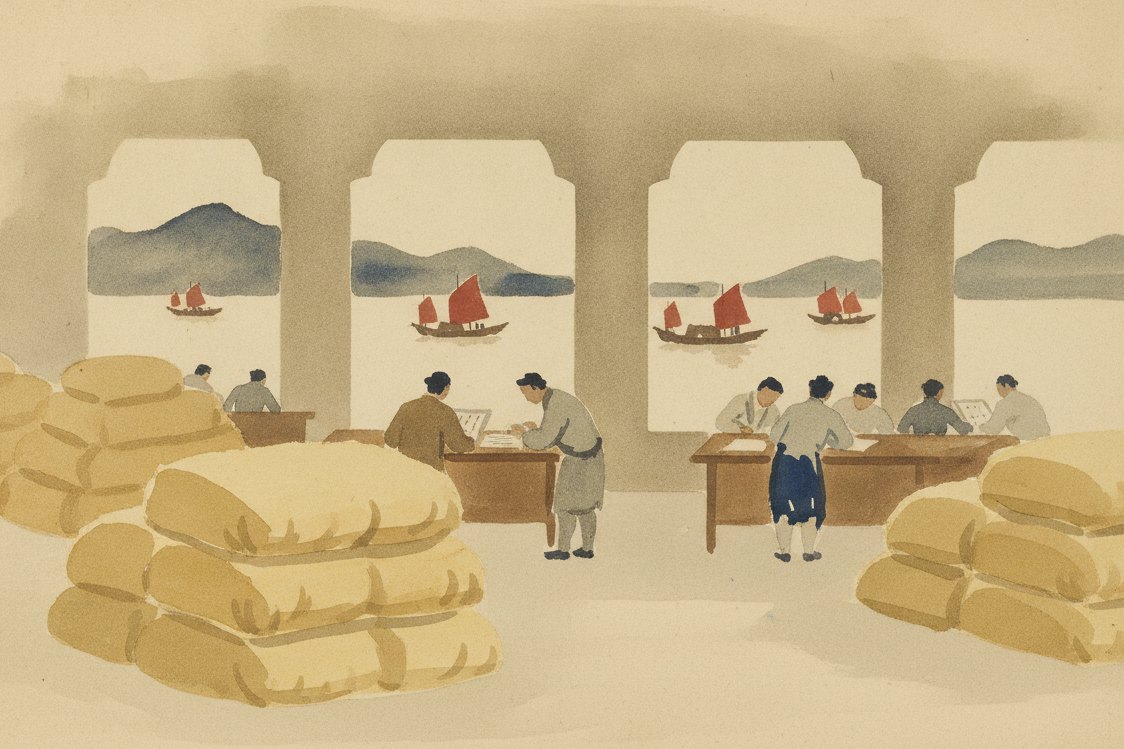
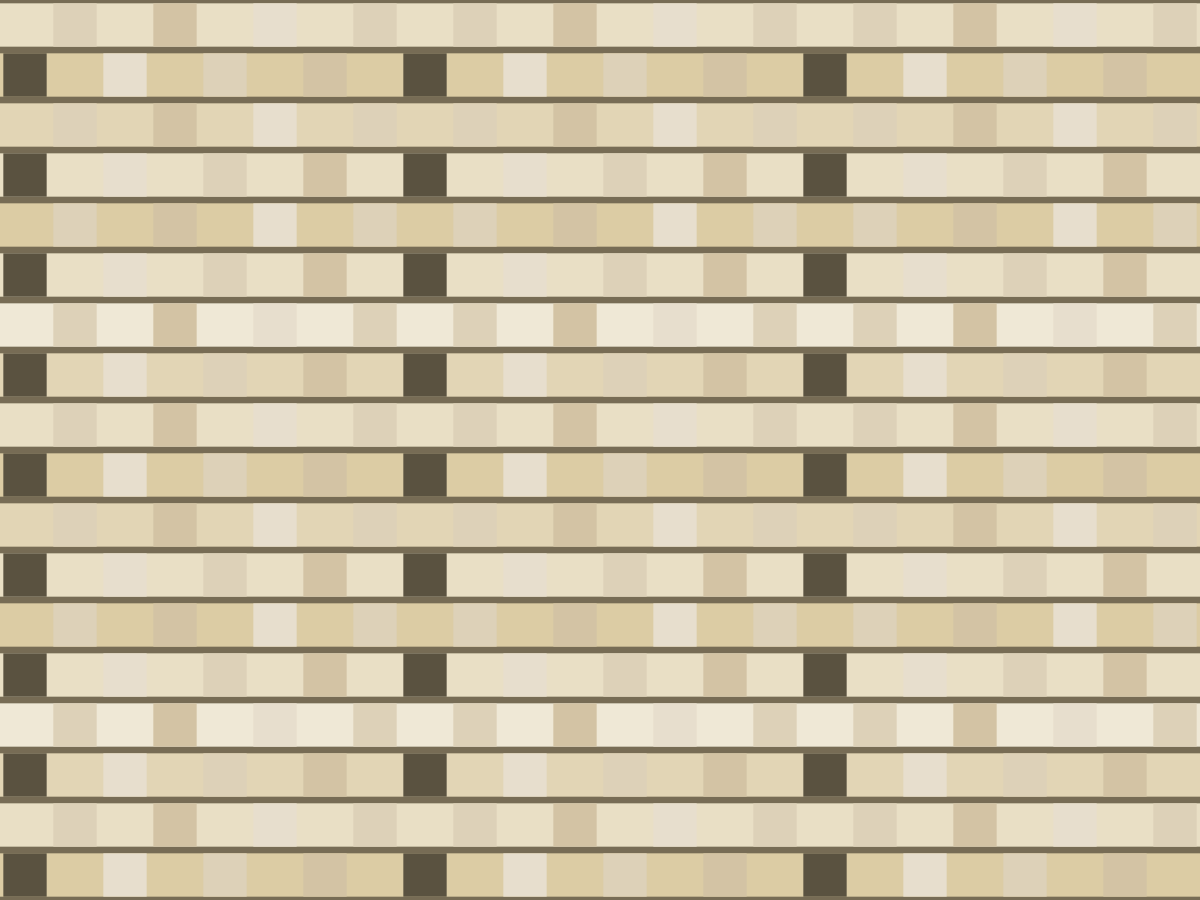
Nankeen is the buff-yellow cotton of the China trade, and its color was its marvel: it was not dyed at all, but woven from a naturally yellow-tinged cotton grown around Nanjing. The cloth sailed west by the shipload in the eighteenth century and clothed Regency men in the pale trousers every Austen adaptation reaches for. European mills eventually imitated the shade with dye, the true yellow cotton faded from trade, and nankeen survives mostly as a word in costume histories and the name of a porcelain blue it once traveled with.
Named for
Named for Nanjing (Nankin in older romanization), the city from which the cloth was exported.
Also known as
nankin
Modern equivalent
The closest cloth in this catalogue you can source today.
In the record
- 1700sNankeen trousers became a staple of European fashion, shipped from Canton by the East India companies.
Common questions
- What is Nankeen made of?
- Nankeen is the buff-yellow cotton of the China trade, and its color was its marvel: it was not dyed at all, but woven from a naturally yellow-tinged cotton grown around Nanjing.
- How is Nankeen made?
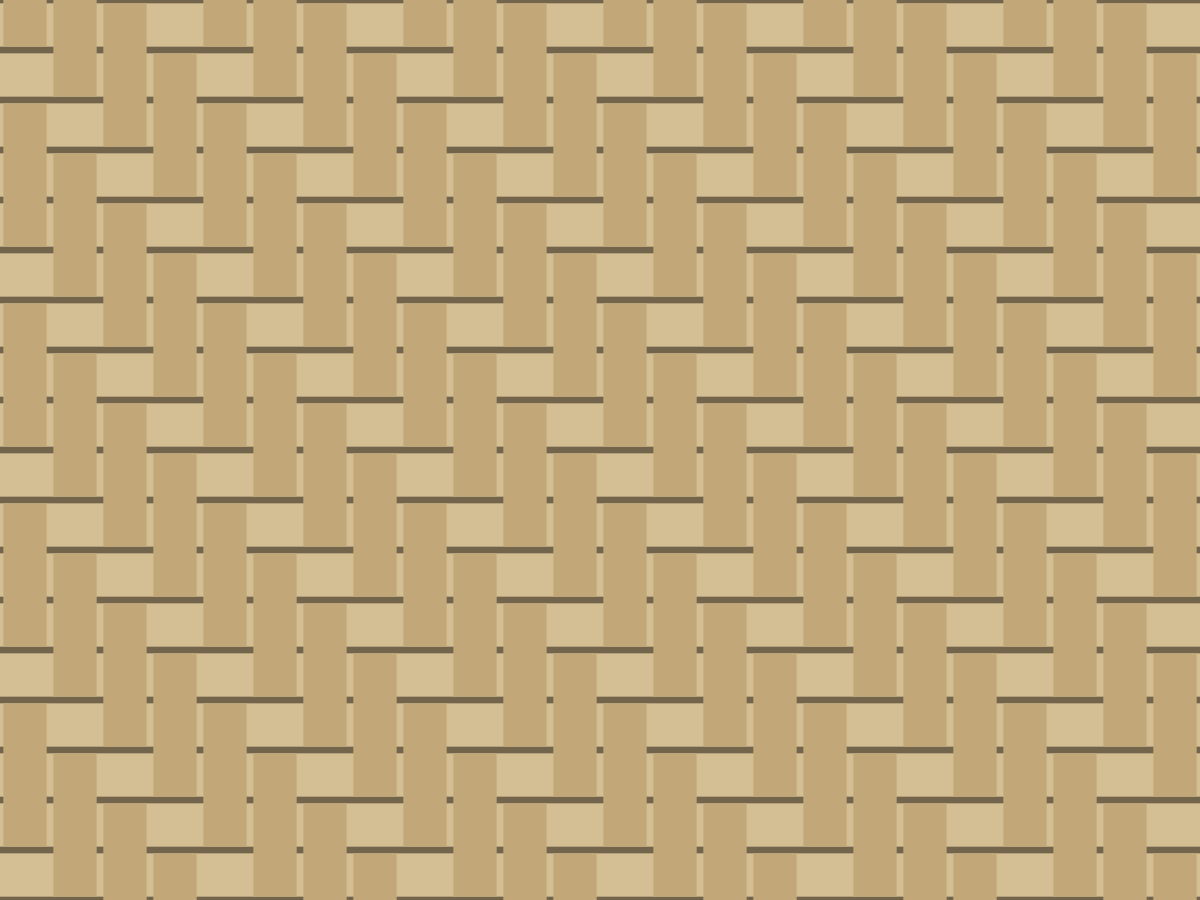
- Nankeen is woven as a plain weave.
- What is Nankeen named after?
- Named for Nanjing (Nankin in older romanization), the city from which the cloth was exported.
From the journal
Further reading
- The Fabric of Civilization: How Textiles Made the World by Virginia Postrel
A history of textiles and the trade routes that carried them, including the China cotton trade this cloth traveled through.
Sources & References
Related specimens
Stay in the loop
From the Almanac
Updates from Fabric Almanac, when there is something worth sharing.