Plate No. 069fabric
- First documented
- 1600s
- Origin
- India and Persia, India
- Fiber
- cotton
- Weave
- plain weave, 180+ thread count
- Family
- plain
Plate No. 069 · fabric
Percale
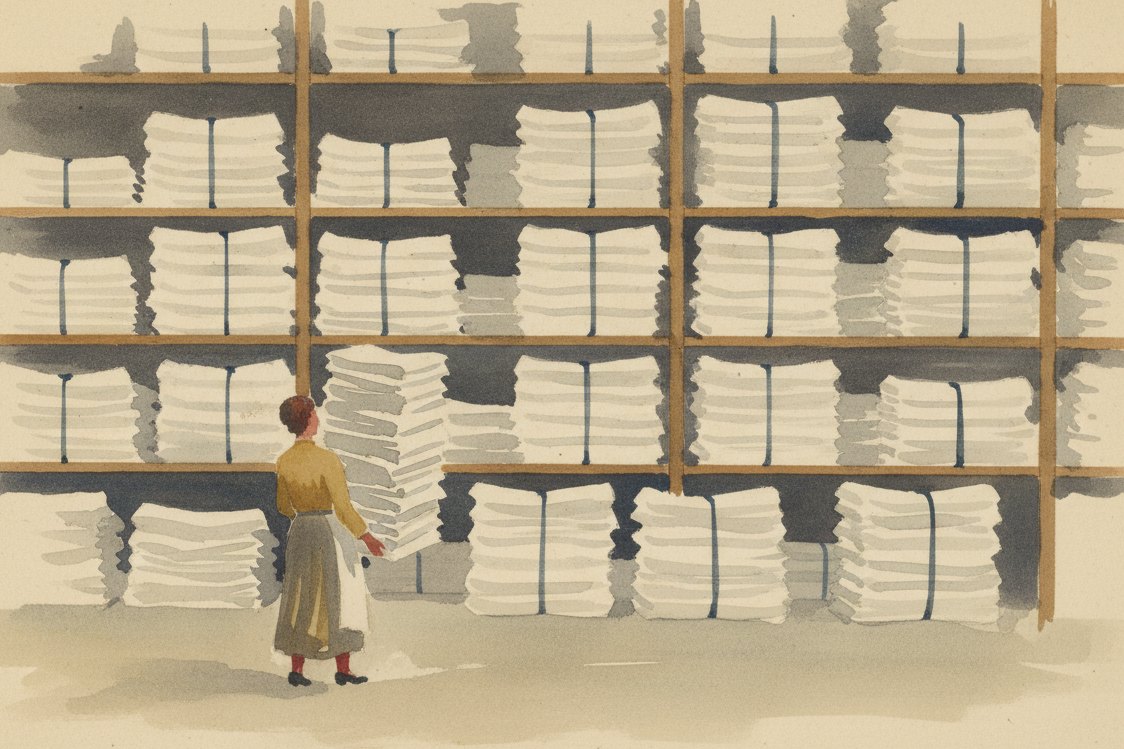
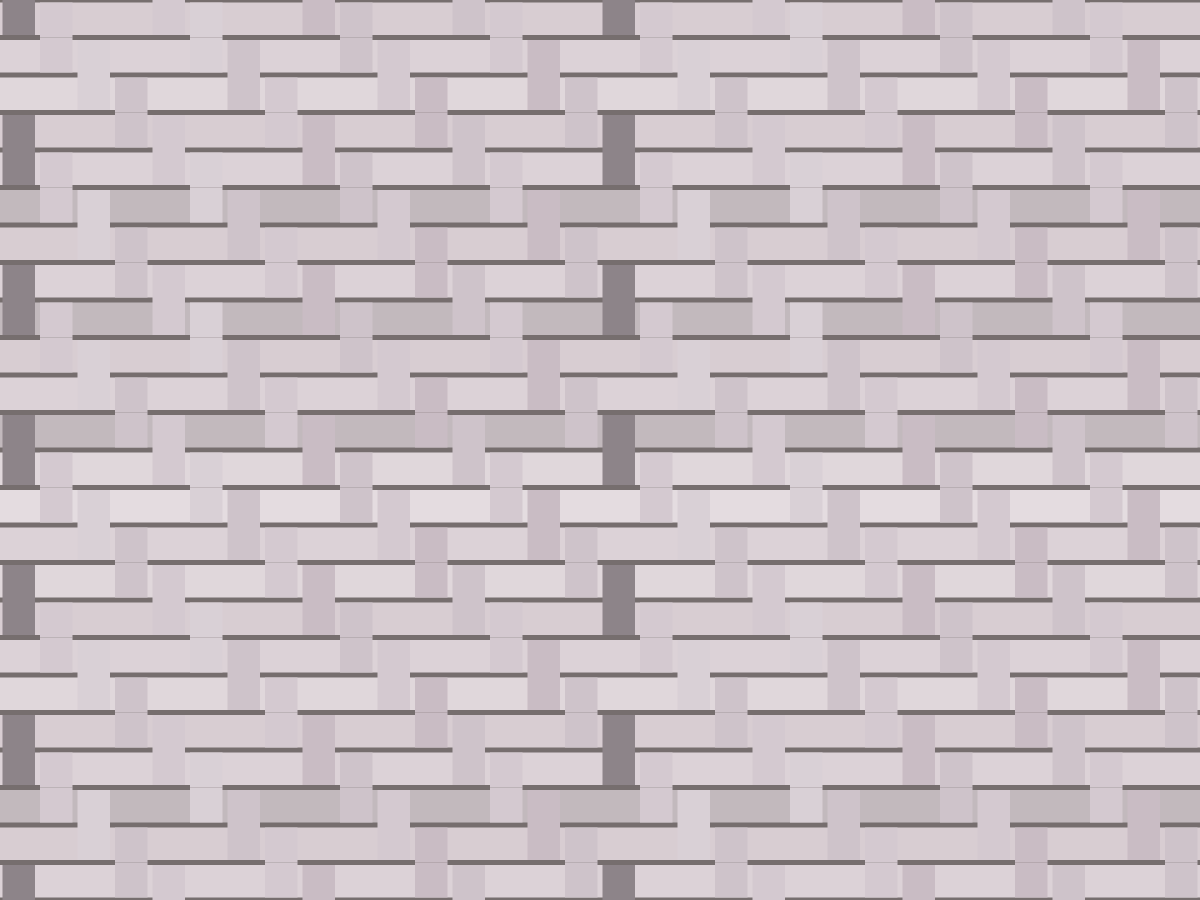
Percale is a smooth, tightly woven plain-weave cotton, defined in modern trade as a one-over-one weave at around 180 threads per inch or higher. It is the crisp side of the bedsheet aisle: matte, cool to the touch, and stronger than a sateen of equal count because every thread binds at every crossing. The name came west with Indian cottons in the seventeenth century, settled in France as the standard fine sheeting, and percale-versus-sateen remains the first real decision in buying bedding.
Named for
Probably from the Persian pargalah, a fine cotton cloth, carried west through the India trade.
Common questions
- What is Percale made of?
- Percale is a smooth, tightly woven plain-weave cotton, defined in modern trade as a one-over-one weave at around 180 threads per inch or higher.
- Where does Percale come from?
- Percale comes from India, first documented in the 1600s.
- What is Percale named after?
- Probably from the Persian pargalah, a fine cotton cloth, carried west through the India trade.
Often confused with
Sources & References
Related specimens


Stay in the loop
From the Almanac
Updates from Fabric Almanac, when there is something worth sharing.