Plate No. 028fabric
- First documented
- 1100s
- Fiber
- cotton
- Weave
- plain weave
- Family
- plain
Plate No. 028 · fabric
Calico
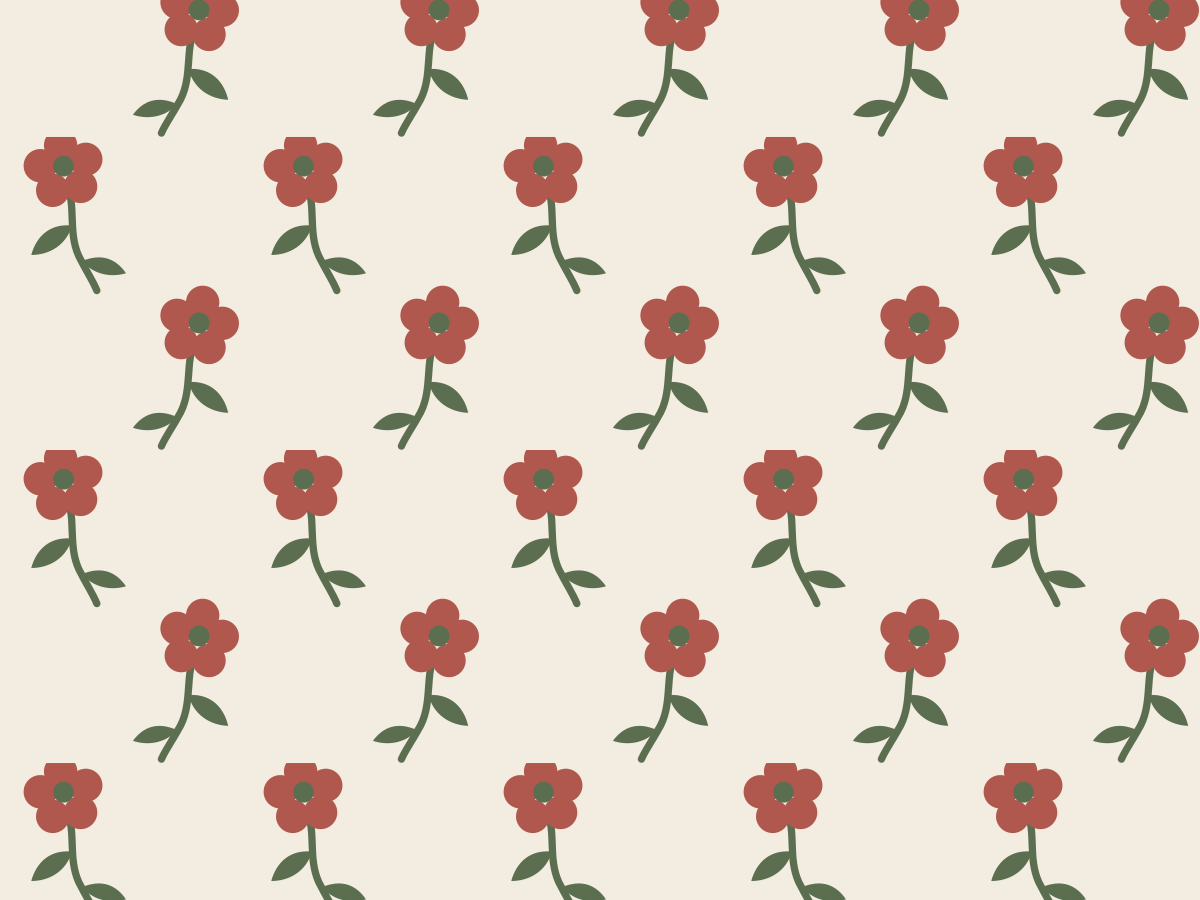
Calico is a plain-weave cotton, coarser than muslin, woven from unbleached and often not fully processed cotton, so the greyish cloth is flecked with husk. In British usage calico is the plain cream cloth; in American usage the word came to mean the small floral prints stamped onto it, a meaning that wandered as far as the patched coats of calico cats. Printed calicos from India so threatened European weavers that France and England both banned them for a time in the eighteenth century.
Named for
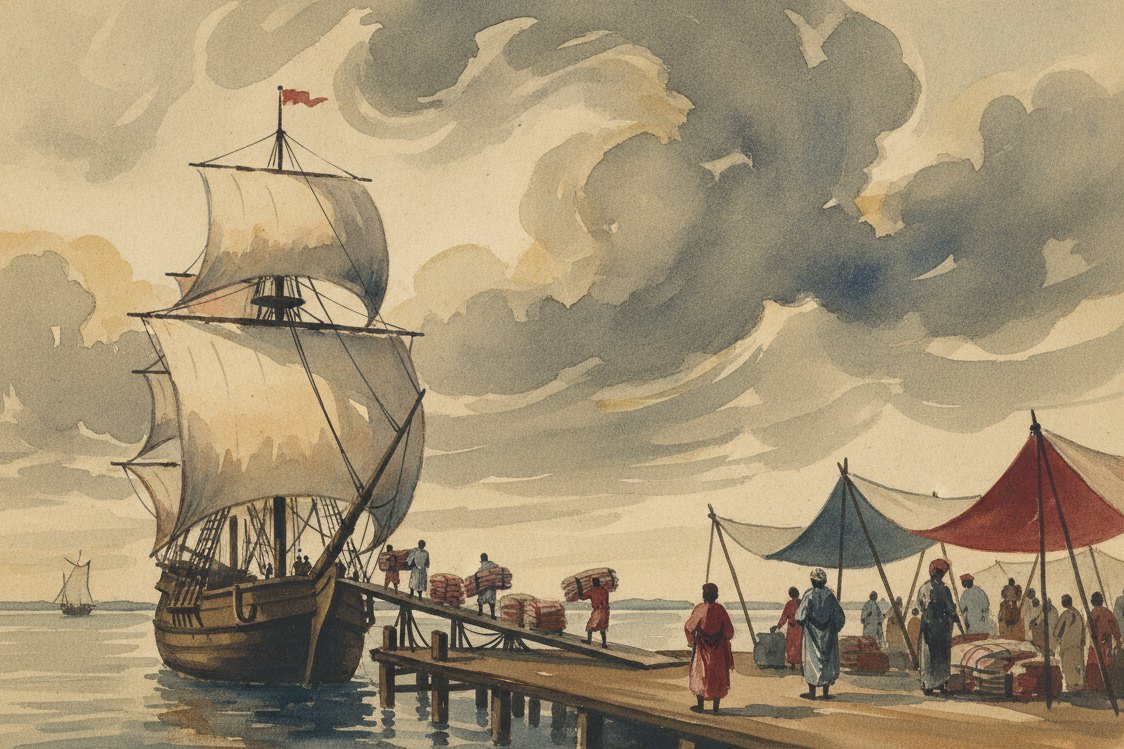
Named for Calicut, the English name of Kozhikode on India's Malabar coast, the port from which the cloth was shipped.
In the record
- 1721Britain's Calico Act prohibited most printed cottons to protect the wool and silk trades; it was repealed in 1774.
Common questions
- What is Calico made of?
- Calico is a plain-weave cotton, coarser than muslin, woven from unbleached and often not fully processed cotton, so the greyish cloth is flecked with husk.
- Is Calico woven or printed?
- Printed calicos from India so threatened European weavers that France and England both banned them for a time in the eighteenth century.
- What is Calico named after?
- Named for Calicut, the English name of Kozhikode on India's Malabar coast, the port from which the cloth was shipped.
Often confused with
From the journal
Sources & References
- 1.Calico, Wikipedia
- 2.Calico Acts, Wikipedia
Related specimens
Stay in the loop
From the Almanac
Updates from Fabric Almanac, when there is something worth sharing.