Plate No. 095fabric
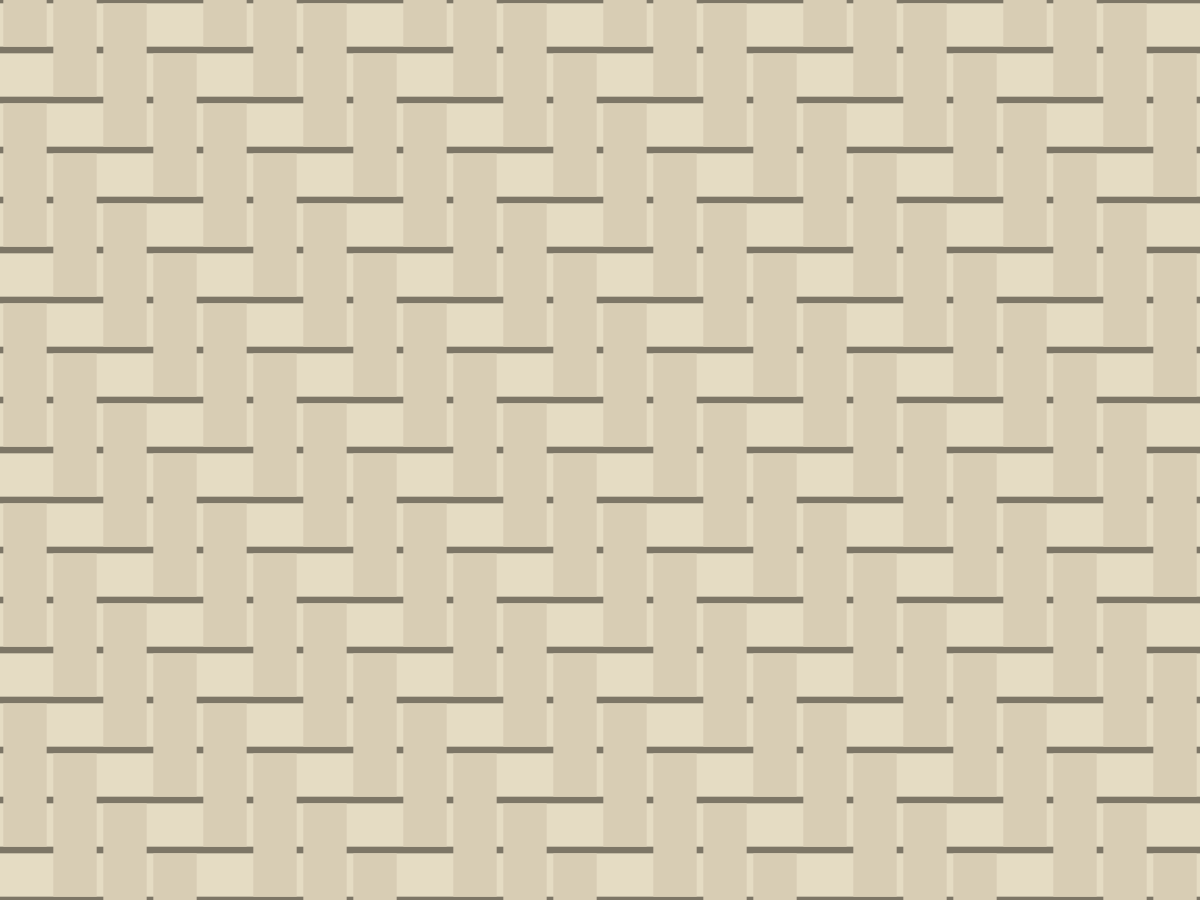
The box grid of reinforcing threads that stops a tear running.
- First documented
- 1940s
- Fiber
- nylon, cotton, polyester
- Weave
- plain weave with reinforcing grid
- Family
- plain
Plate No. 095 · fabric
Ripstop
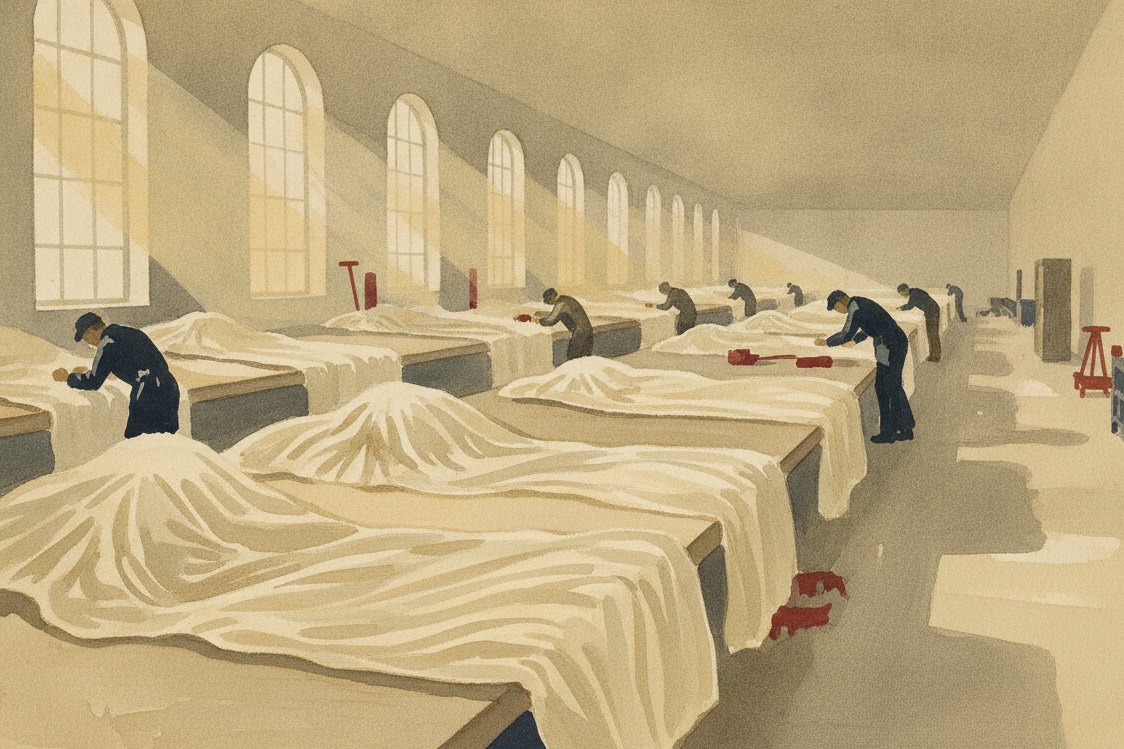
Ripstop is plain cloth woven with a periodic grid of heavier reinforcing threads, every few millimeters, that arrest a tear before it can travel. The technique was driven by the Second World War, when nylon ripstop replaced silk in parachutes, and it has clothed the demanding ever since: spinnakers, tents, hot air balloons, flak jackets, hiking shells, and the flag planted on the Moon. The visible box grid is the whole point, engineering you can see, a fabric that fails locally instead of catastrophically.
Named for
Named for its function: a weave that stops a rip from running.
In the record
- 1940sNylon ripstop replaced silk in wartime parachutes, founding the modern technical-textile industry.
Common questions
- What is Ripstop made of?
- Ripstop is plain cloth woven with a periodic grid of heavier reinforcing threads, every few millimeters, that arrest a tear before it can travel. It is traditionally made of nylon, cotton, or polyester.
- Where does Ripstop come from?
- Ripstop comes from the United States, first documented in the 1940s.
- What is Ripstop named after?
- Named for its function: a weave that stops a rip from running.
Often confused with
From the journal
Sources & References
Related specimens



Stay in the loop
From the Almanac
Updates from Fabric Almanac, when there is something worth sharing.