Pattern family
Motifs
Motif patterns repeat a drawn figure rather than a geometric grid: the boteh of paisley, the medallions of damask, the trailing florals of chintz. These are the patterns of trade routes, carried on Kashmir shawls and Silk Road damasks, and the renders here are stylized house interpretations of each motif's defining form rather than reproductions of any single historical document.
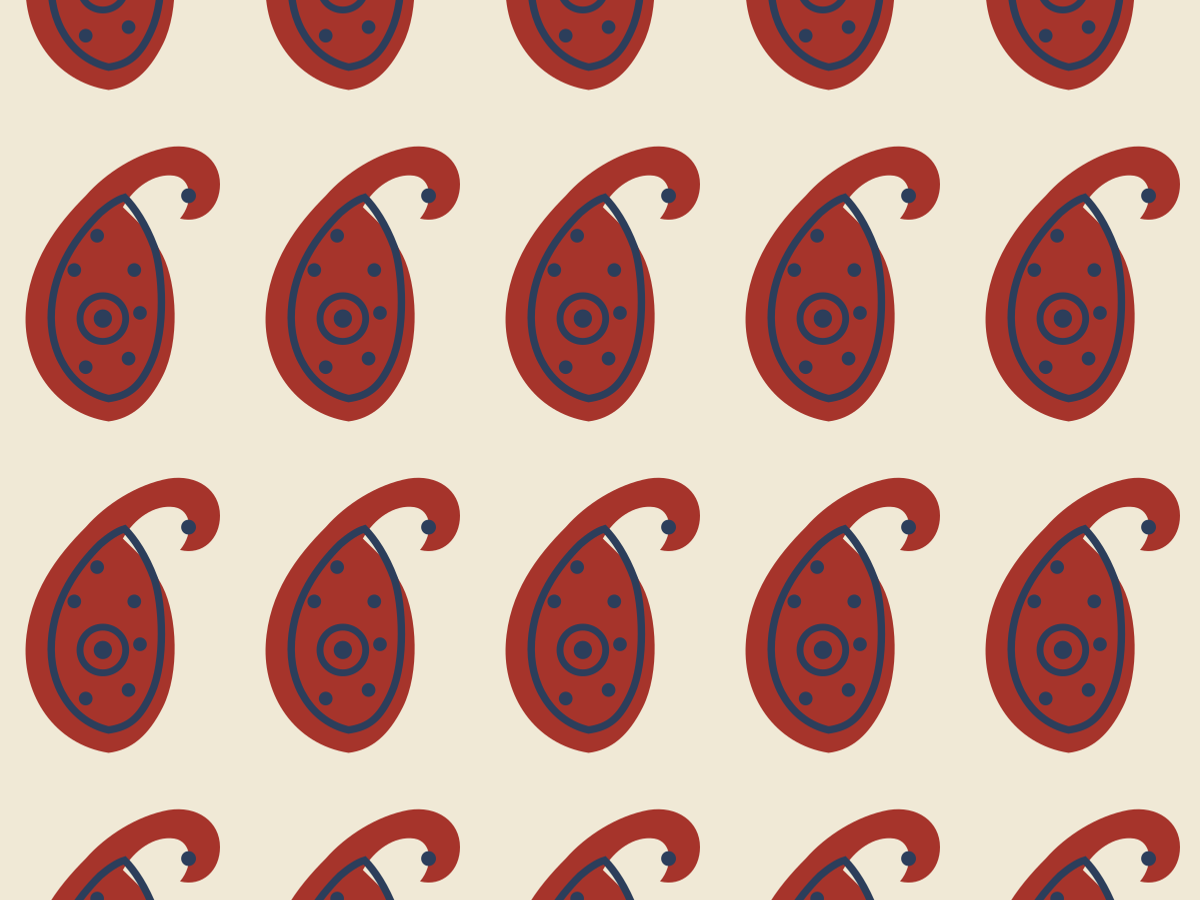
Paisley
No. 047pattern · motifs

Damask
No. 048fabric · motifs
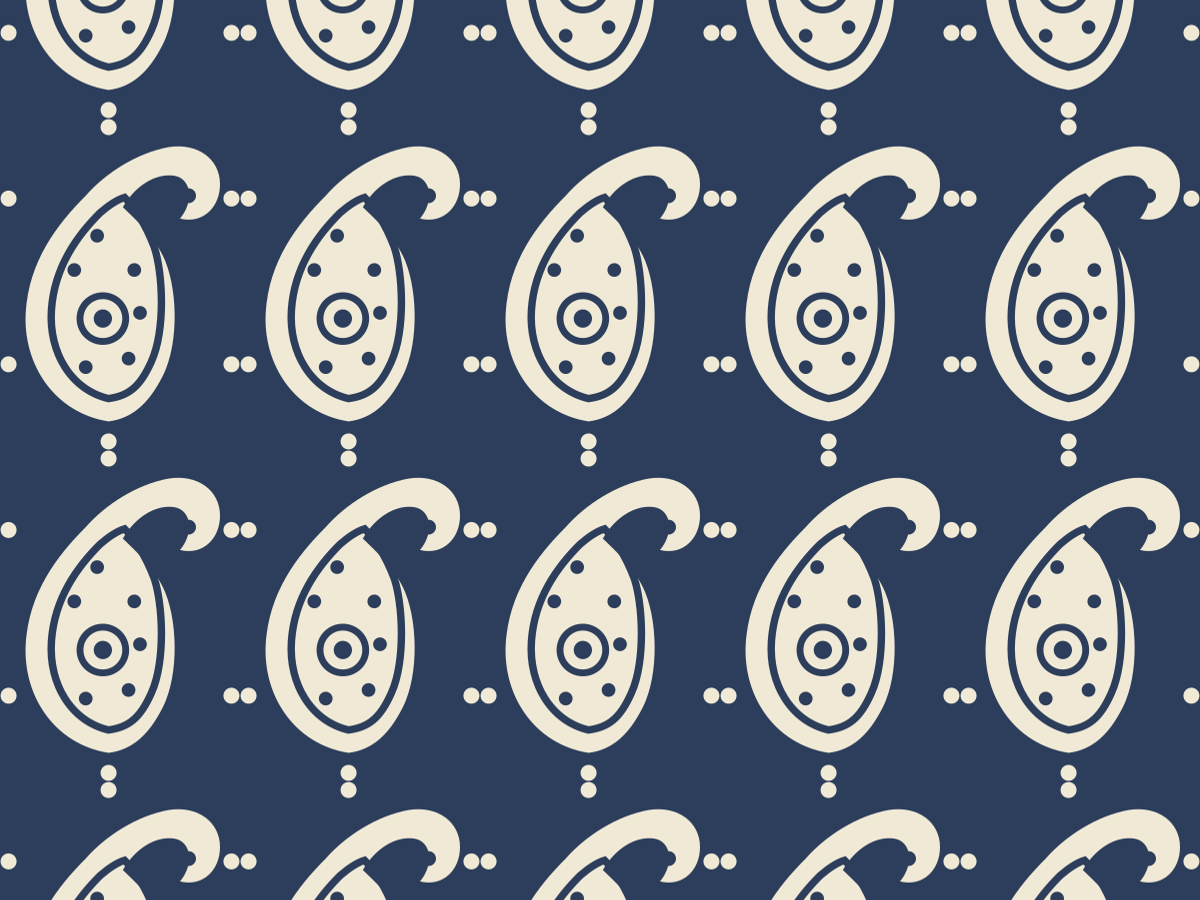
Bandana
No. 056pattern · motifs
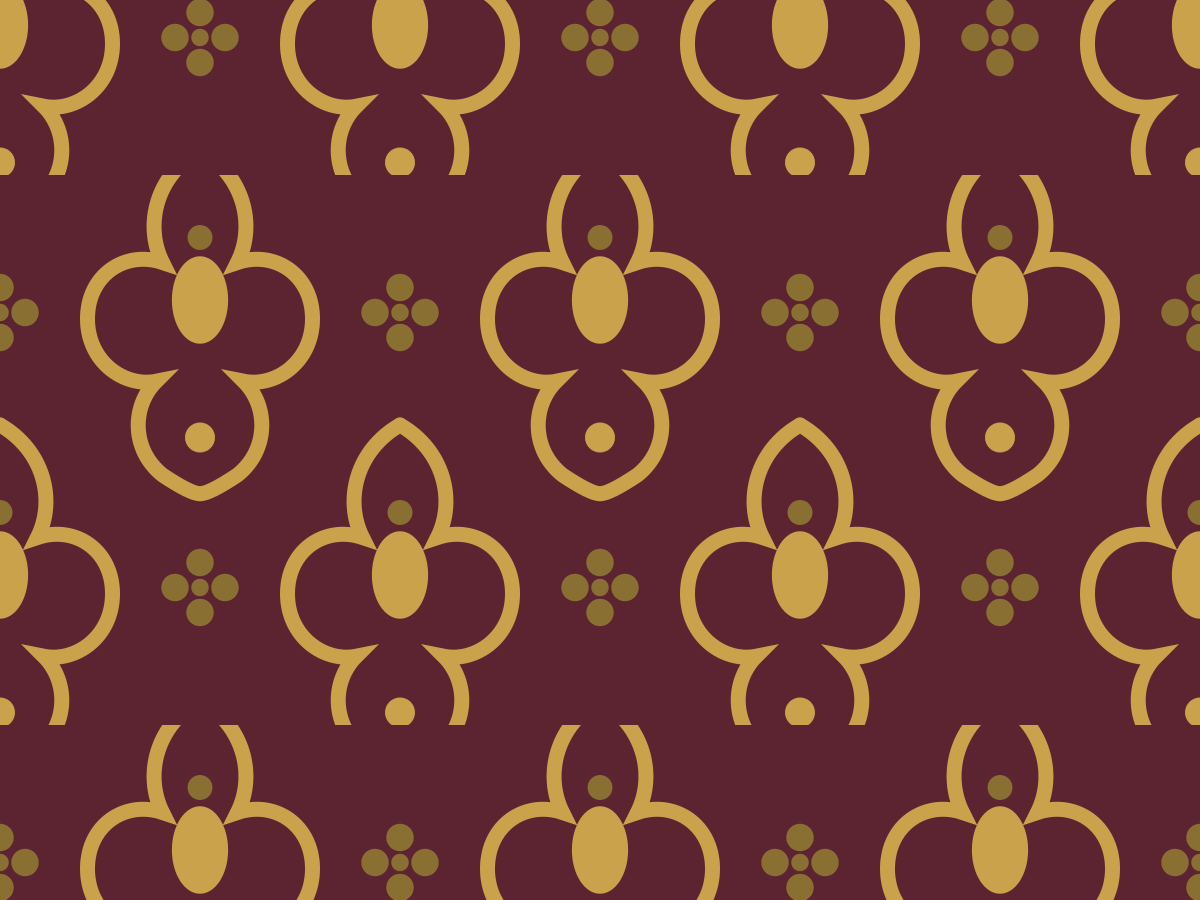
Brocade
No. 062fabric · motifs
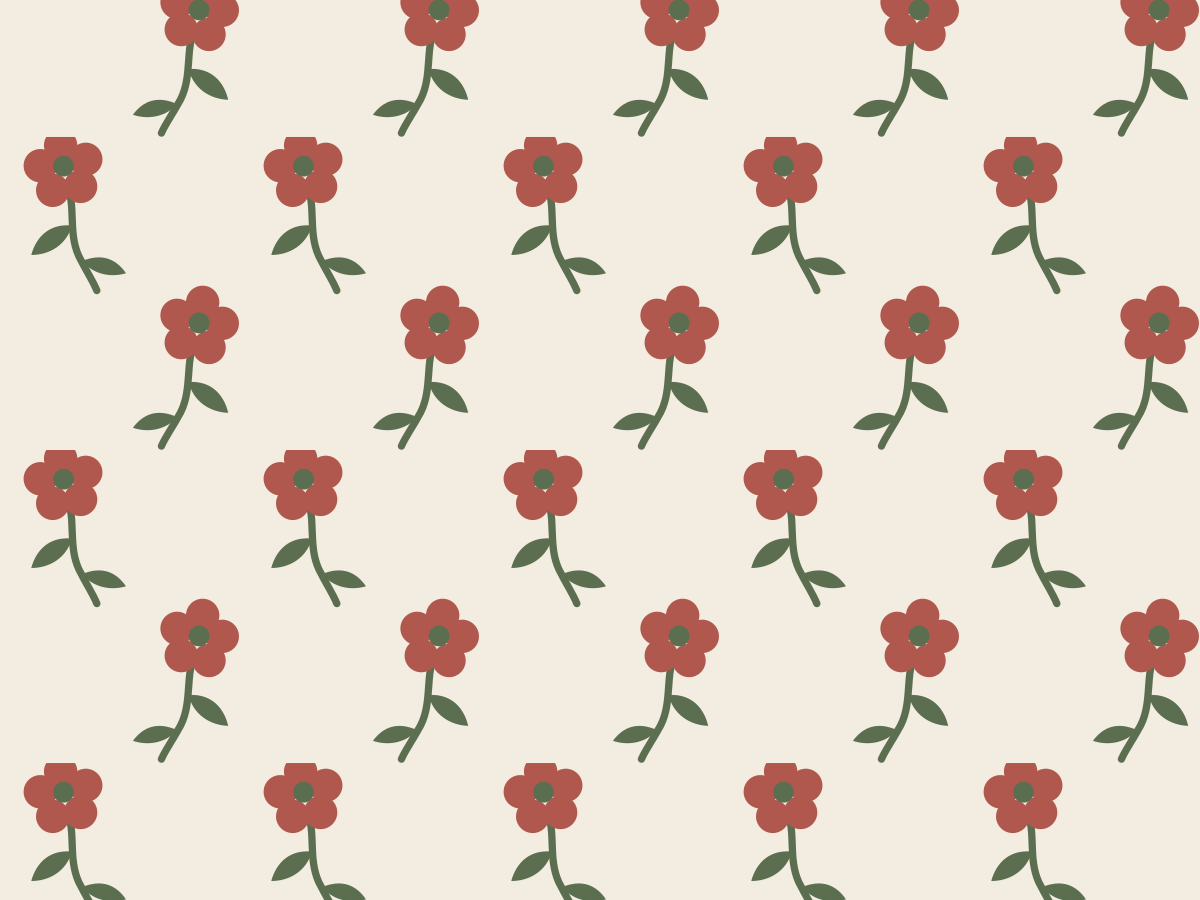
Chintz
No. 064fabric · motifs
Toile de Jouy
No. 077pattern · motifs
Cretonne
No. 097fabric · motifs
Brocatelle
No. 149fabric · motifs
Kente
No. 163fabric · motifs
Sashiko
No. 164pattern · motifs
Kantha
No. 166pattern · motifs
Suzani
No. 167pattern · motifs
Samite
No. 168fabric · motifs
From the journal
Costume makers hunt cloths that no longer sell under their old names. Samite, coutil, fustian, melton: what each was, and what to use instead today.
Pattern Without the Loom: The World's Resist-Dyes and Embroideries →Most cloth gets its pattern on the loom. A whole world of textiles instead keeps the dye out, or adds thread on top. A tour of resist and needle.
The Geography of Cloth Names →A surprising number of fabric names are just place names. Denim, jeans, calico, muslin, duffel: the catalogue of cloth is also a map of medieval trade.
The Loom That Taught Computers to Read →Jacquard's 1804 loom ran on punched cards a century before computing borrowed them. The line from brocade to Babbage to IBM is direct and documented.