Plate No. 019weave
- First documented
- Middle Ages
- Origin
- Quanzhou, Fujian, China
- Fiber
- silk, polyester
- Weave
- 5-end satin
- Family
- weaves
Plate No. 019 · weave
Satin
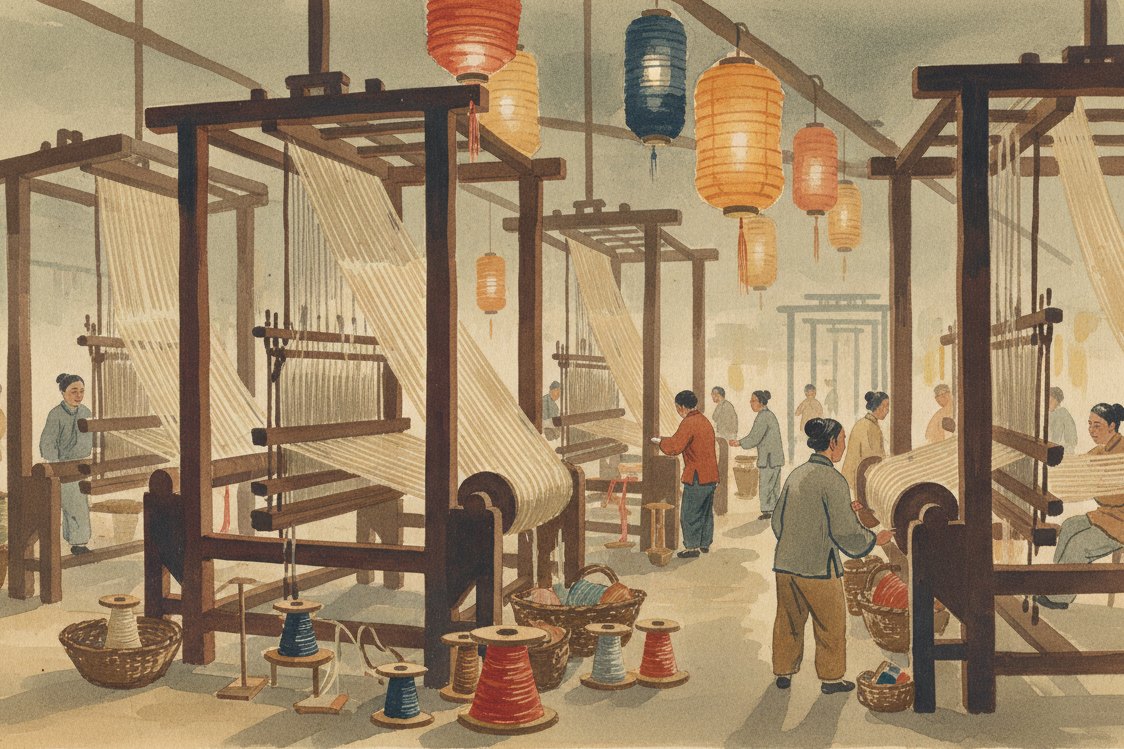
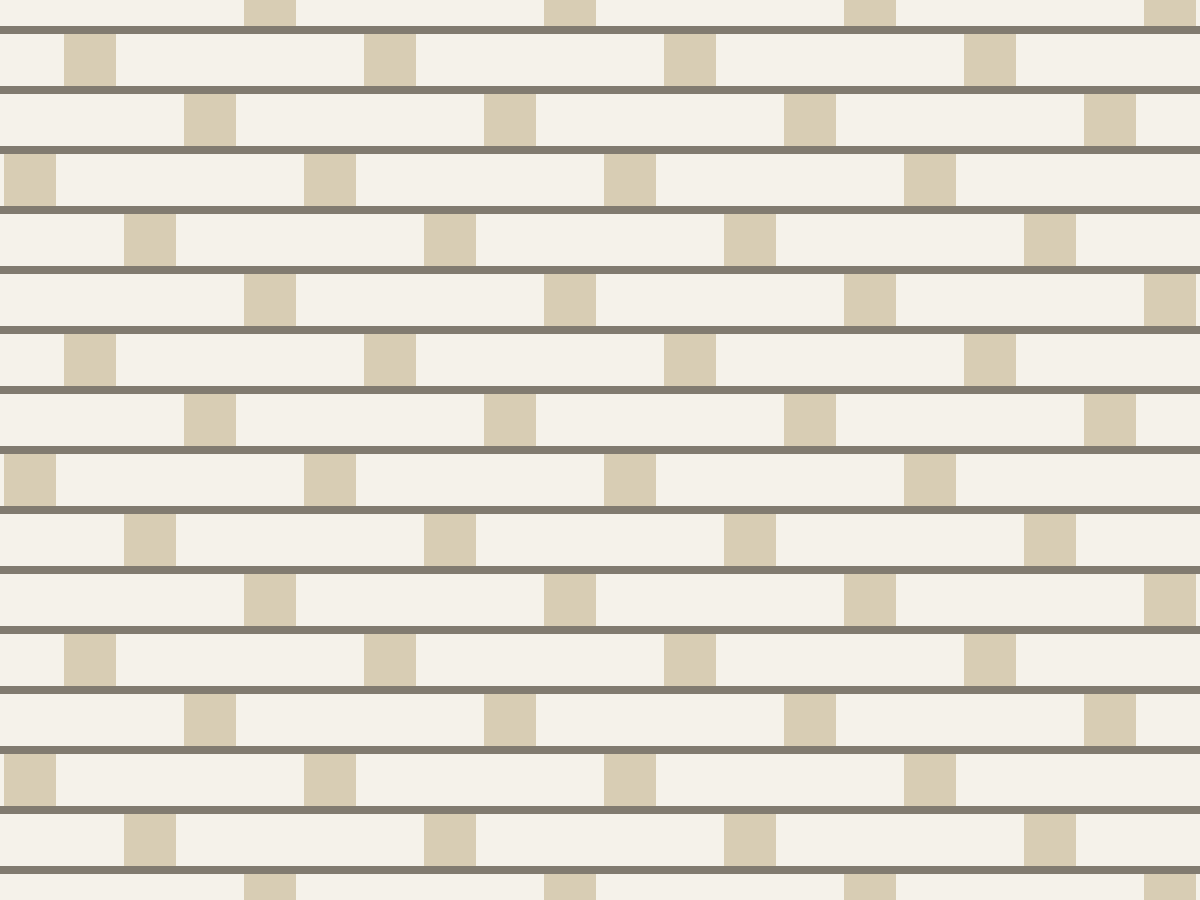
Satin is a weave of long floats: each warp end passes over four or more weft picks before binding, and the interlacing points are scattered so they never line up into a visible diagonal. The unbroken runs of thread are what give satin its sheen and slipperiness. The weave traveled from China along the silk routes and took its European name from the port it shipped from. Woven in silk the cloth is satin; the same structure flipped weft-side up in cotton is sateen.
Named for
From Zaiton, the medieval Arabic name for the Chinese port of Quanzhou, from which the lustrous silk cloth was shipped west.
Common questions
- What is Satin made of?
- Satin is a weave of long floats: each warp end passes over four or more weft picks before binding, and the interlacing points are scattered so they never line up into a visible diagonal. It is traditionally made of silk or polyester.
- Where does Satin come from?
- Satin comes from Quanzhou, China, where it dates to the Middle Ages.
- What is Satin named after?
- From Zaiton, the medieval Arabic name for the Chinese port of Quanzhou, from which the lustrous silk cloth was shipped west.
Often confused with
From the journal
Sources & References
Related specimens



Stay in the loop
From the Almanac
Updates from Fabric Almanac, when there is something worth sharing.