Plate No. 018weave
- First documented
- Antiquity
- Origin
- Worldwide
- Fiber
- cotton, wool
- Weave
- 2/2 twill
- Family
- weaves
Plate No. 018 · weave
Twill
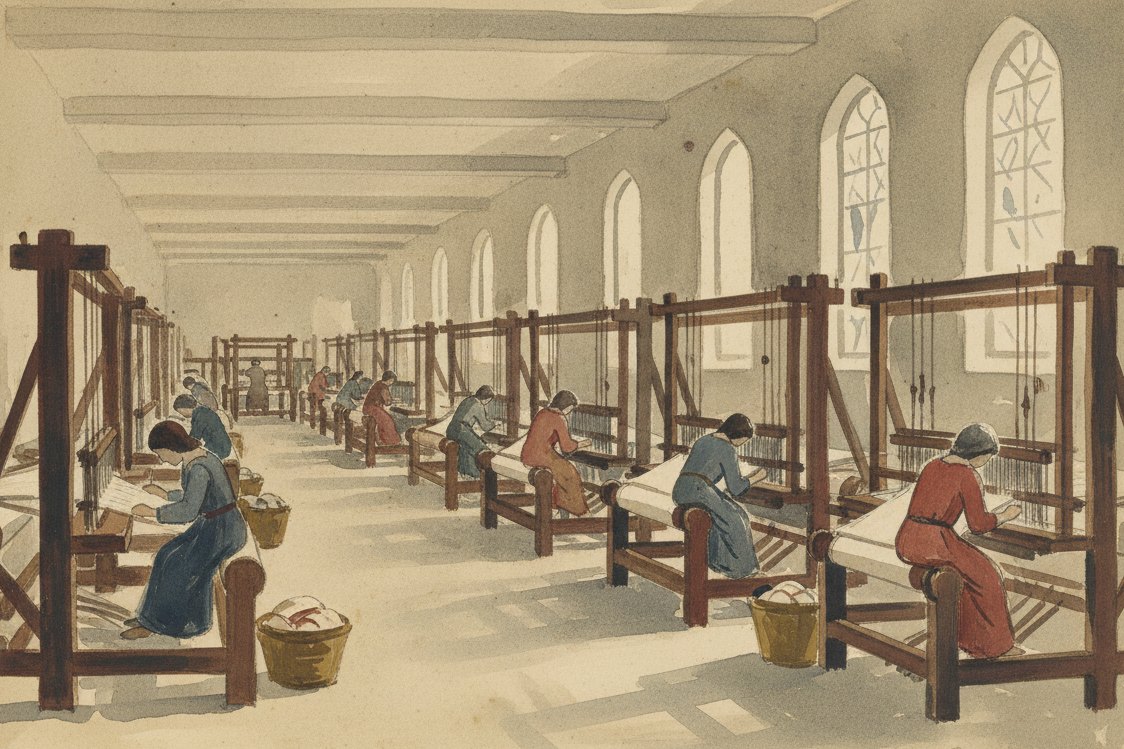
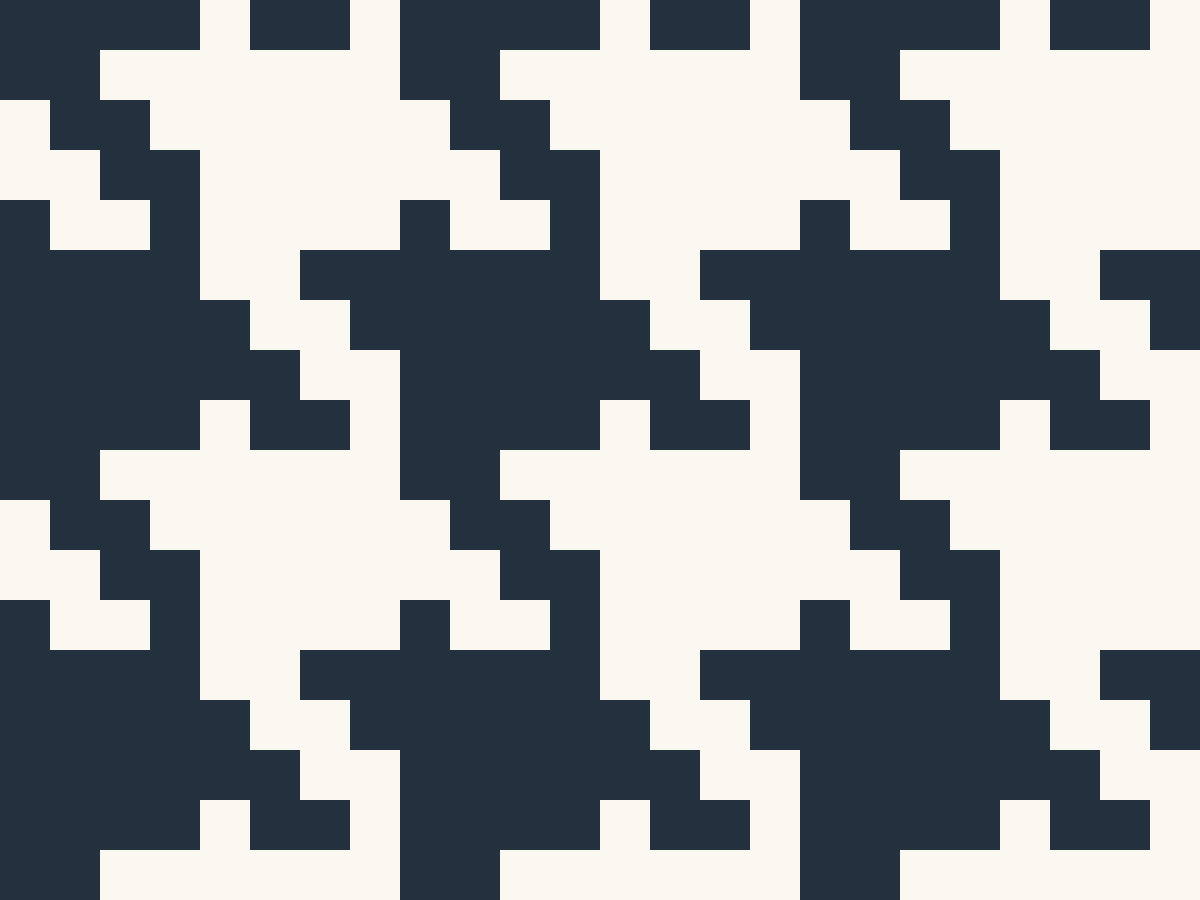
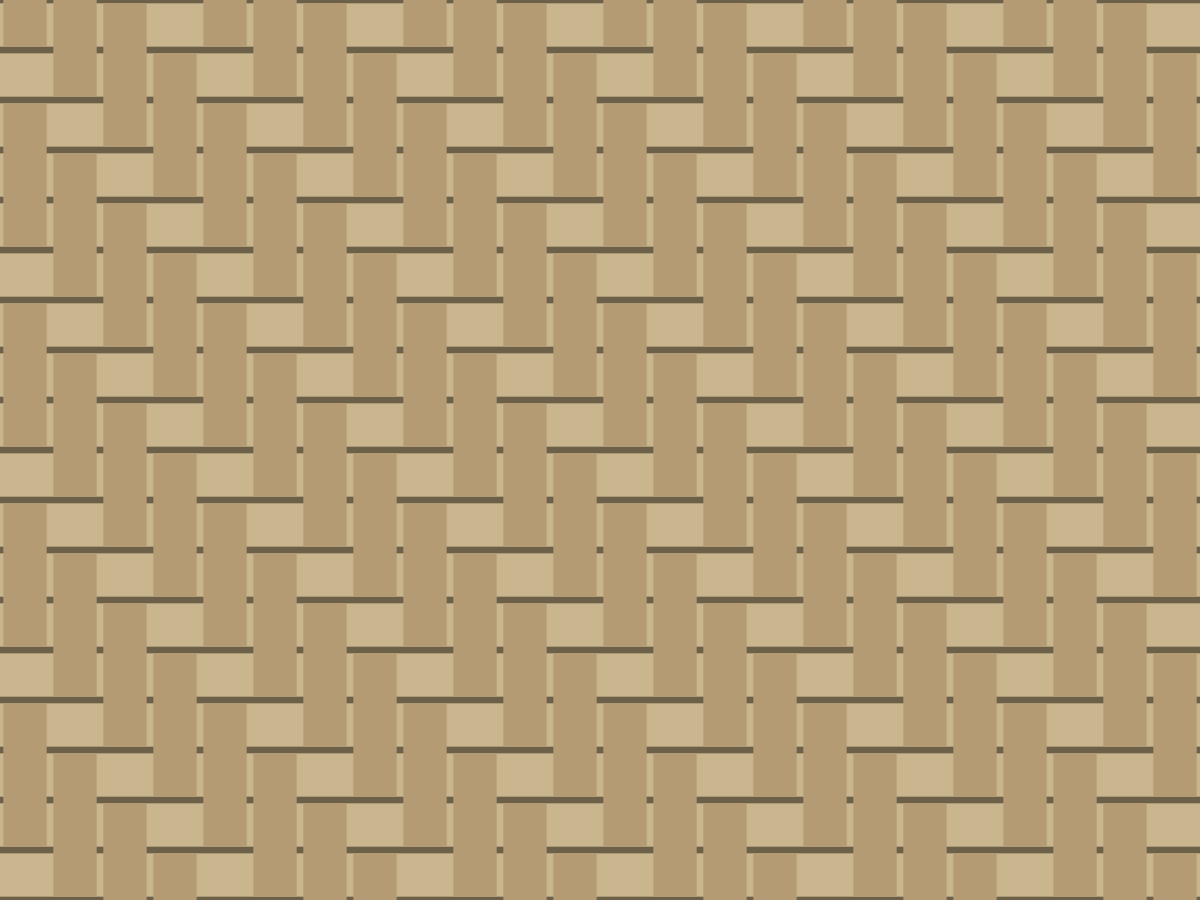
Twill is a weave in which each thread passes over two or more threads, stepping one thread sideways on each row, so the interlacings line up into a diagonal rib called a wale. The floats make twill denser, heavier, and more drapable than a plain weave of the same yarn, and better at hiding soil, which is why workwear lives here. Denim, gabardine, tweed, serge, and chino are all twills, and herringbone and houndstooth are built on its diagonal.
Named for
From the Old English twili, a doubled thread, itself a rendering of the Latin bilix, two-threaded.
Common questions
- What is Twill made of?
- Twill is a weave in which each thread passes over two or more threads, stepping one thread sideways on each row, so the interlacings line up into a diagonal rib called a wale. It is traditionally made of cotton or wool.
- What is Twill named after?
- From the Old English twili, a doubled thread, itself a rendering of the Latin bilix, two-threaded.
Often confused with
From the journal
Sources & References
Related specimens
Stay in the loop
From the Almanac
Updates from Fabric Almanac, when there is something worth sharing.