The woven self-pattern: figure against ground in one color.
- First documented
- Middle Ages
- Origin
- Damascus, Levant, Syria
- Fiber
- silk, linen, cotton
- Weave
- jacquard, satin figure on sateen ground
- Family
- motifs
Plate No. 048 · fabric
Damask
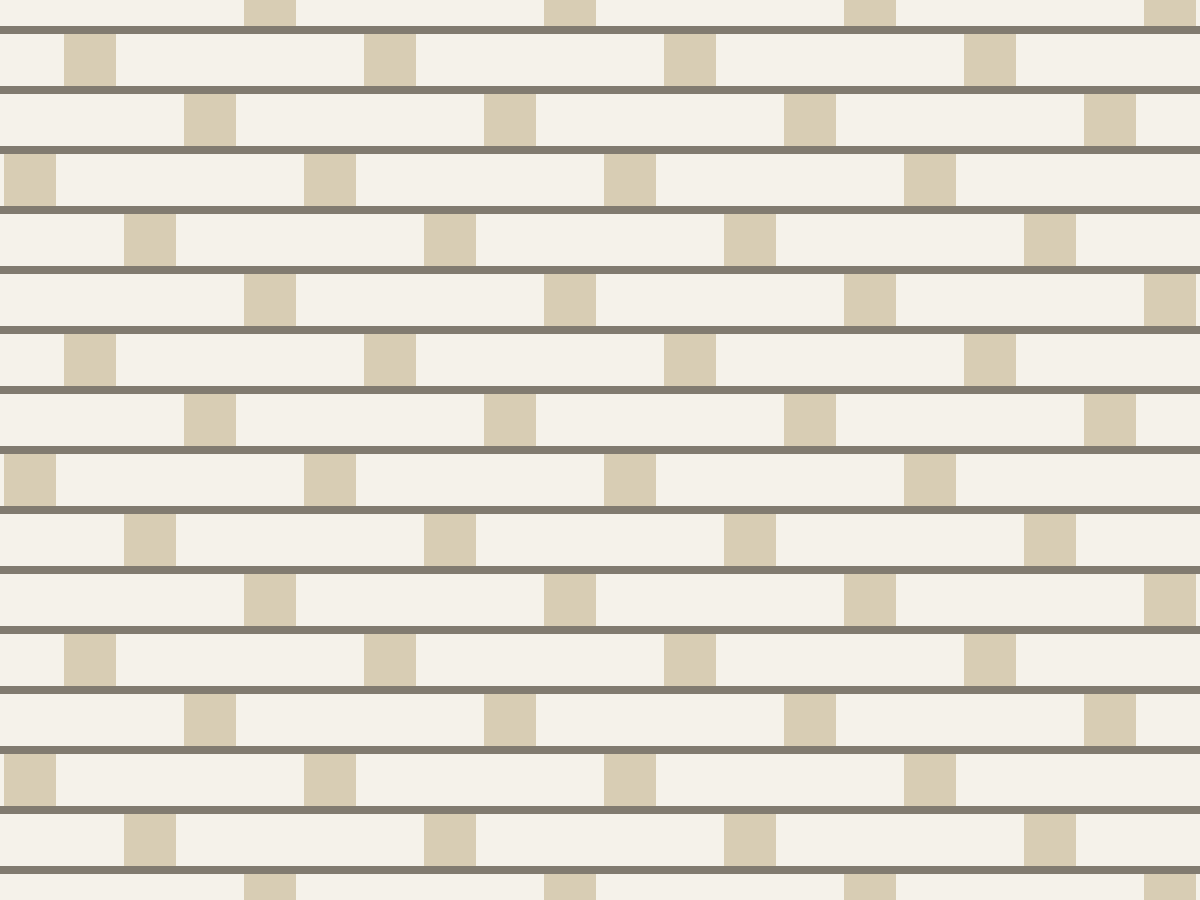
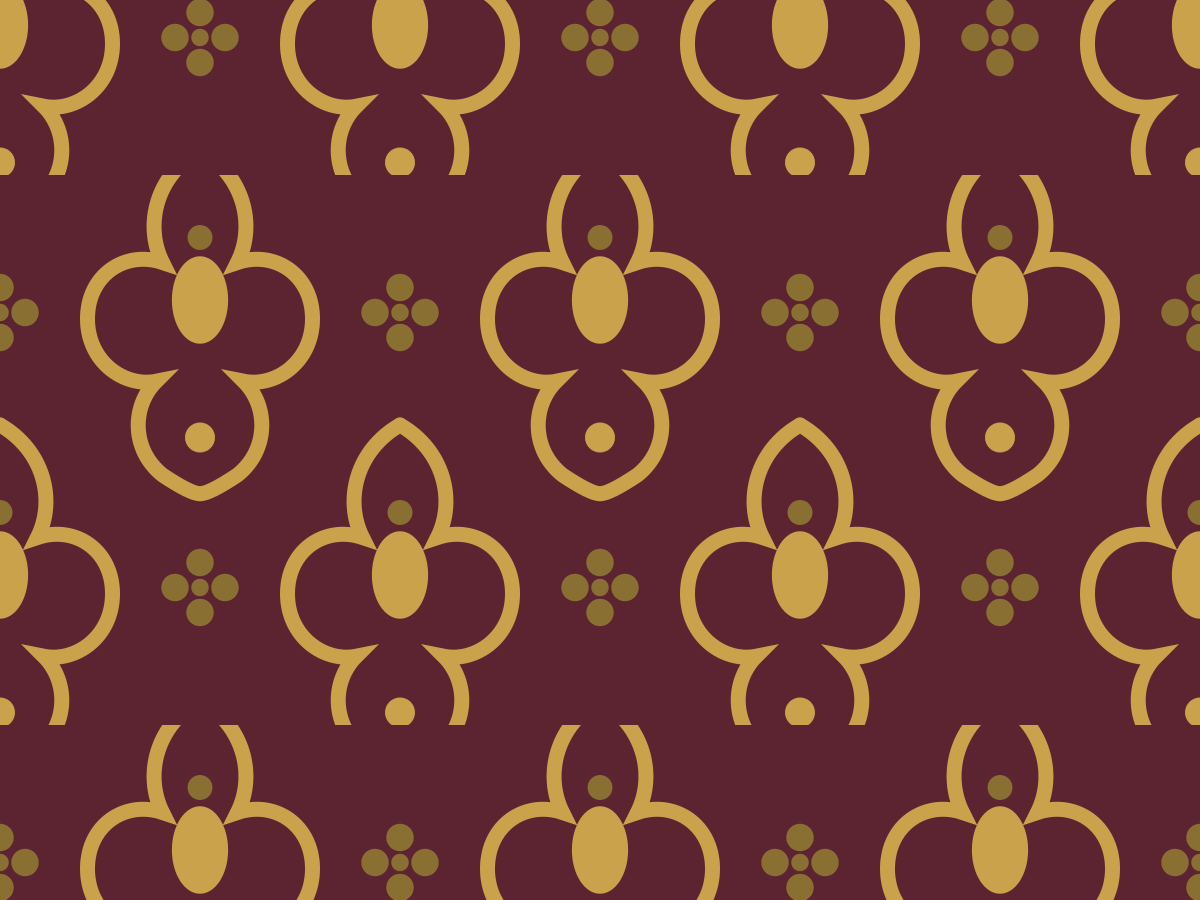
Damask is a self-patterned cloth: its ornament is woven, not printed, by setting a satin figure against a sateen ground in a single color, so the motif appears and disappears as light moves across the two surfaces. The technique is ancient Chinese, the name medieval, taken from Damascus where European traders met the cloth. Its classic vocabulary of symmetric medallions, acanthus scrolls, and pomegranates has made it the default language of formal interiors, tablecloths, and wallpaper for five centuries.
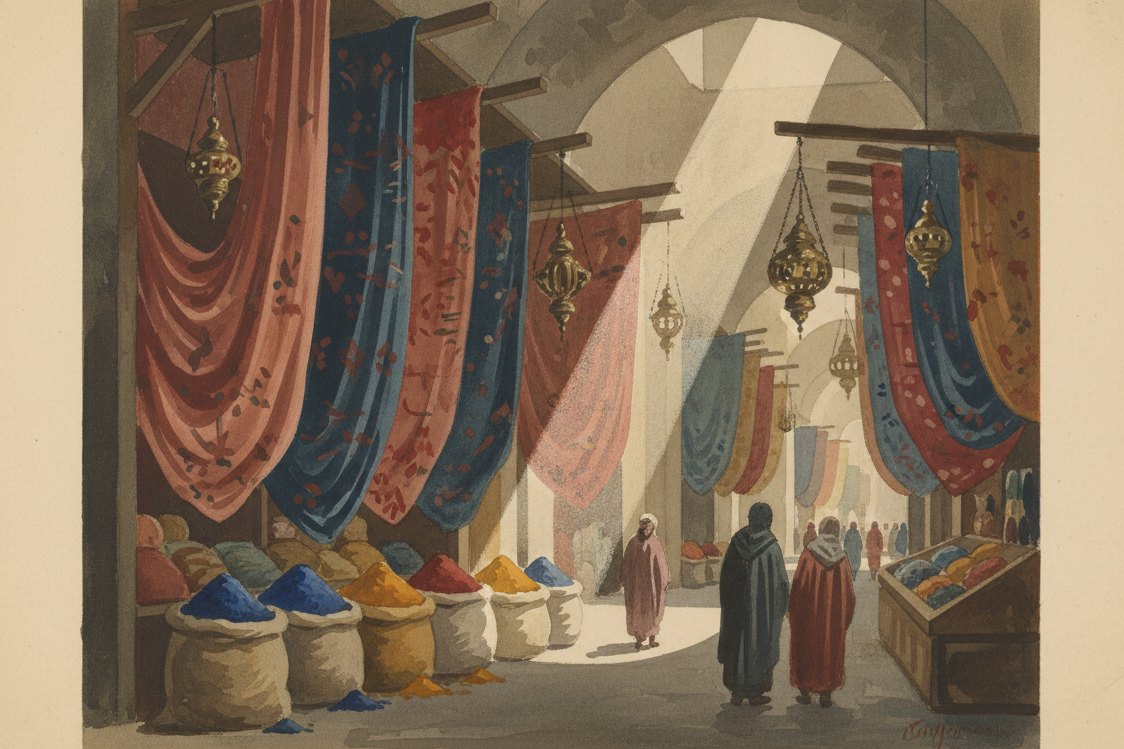
Named for
Named for Damascus, the great Silk Road trading city through which the figured silks reached Europe.
Common questions
- What is Damask made of?
- Damask is a self-patterned cloth: its ornament is woven, not printed, by setting a satin figure against a sateen ground in a single color, so the motif appears and disappears as light moves across the two surfaces. It is traditionally made of silk, linen, or cotton.
- Where does Damask come from?
- Damask comes from Damascus, Syria, where it dates to the Middle Ages.
- What is Damask named after?
- Named for Damascus, the great Silk Road trading city through which the figured silks reached Europe.
Often confused with
From the journal
Sources & References
Related specimens


Stay in the loop
From the Almanac
Updates from Fabric Almanac, when there is something worth sharing.