Plate No. 017weave
- First documented
- Antiquity
- Origin
- Worldwide
- Fiber
- cotton, linen, wool, silk
- Weave
- plain weave
- Family
- weaves
Plate No. 017 · weave
Plain Weave
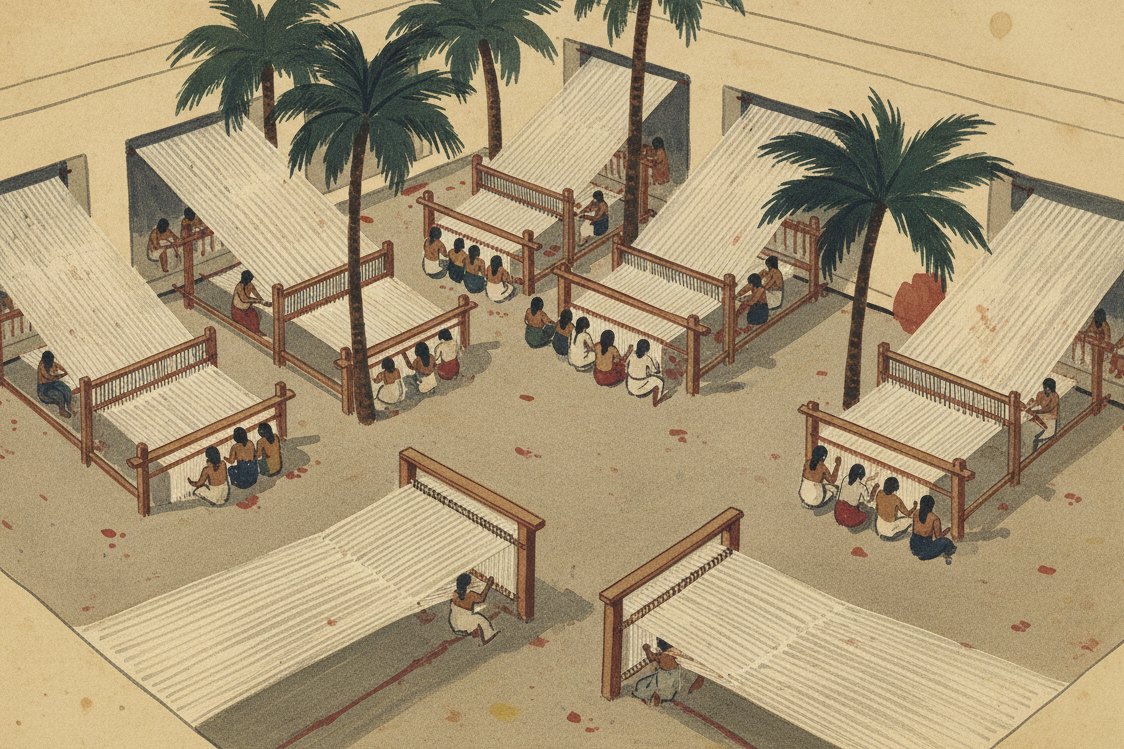
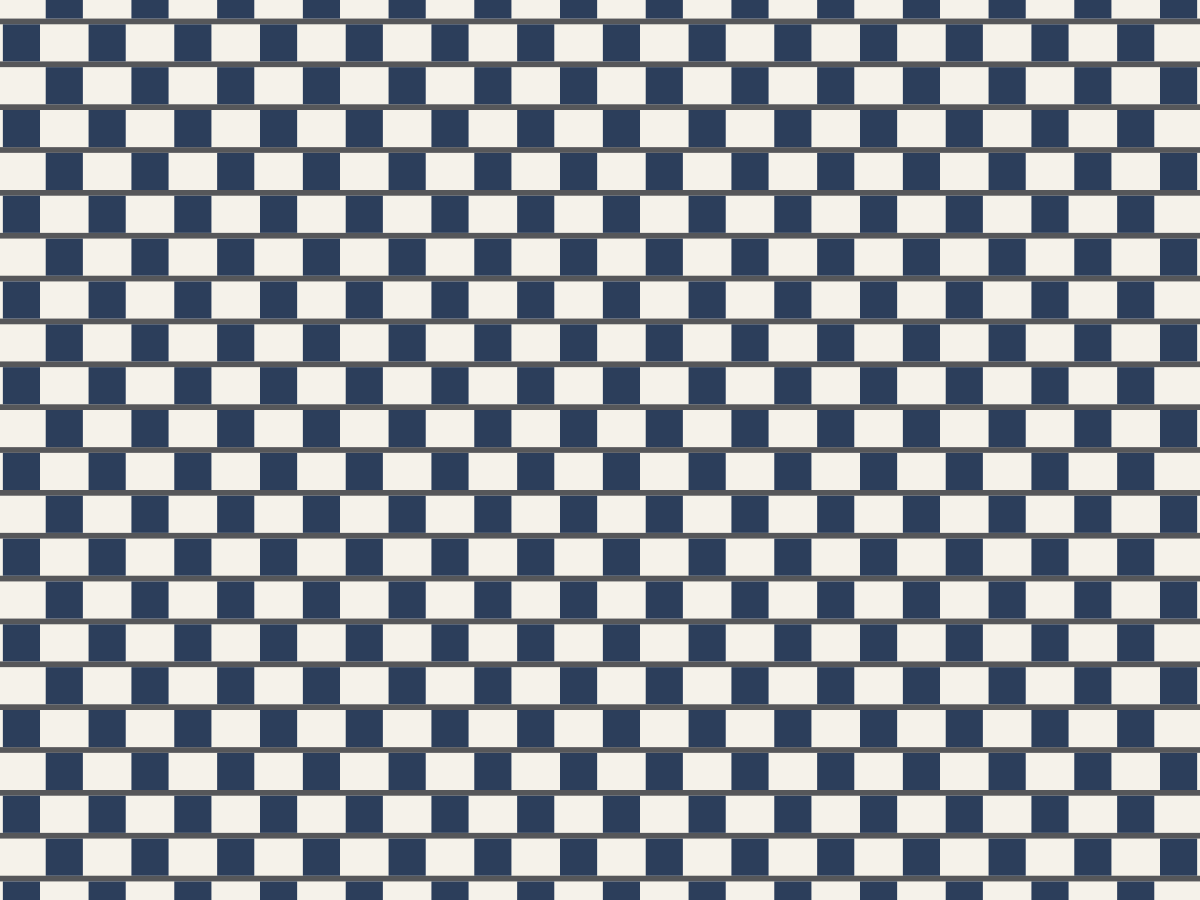
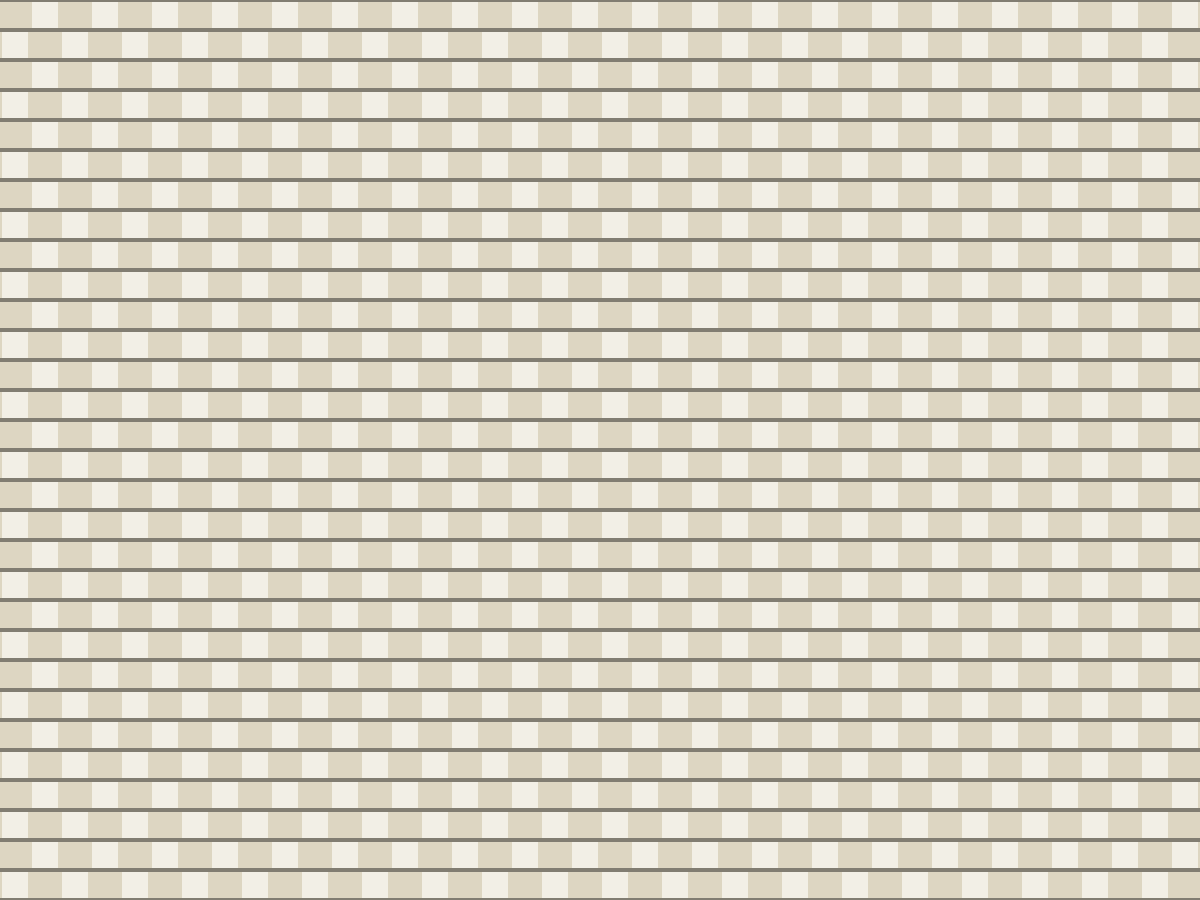
Plain weave is the simplest interlacing of warp and weft: each weft pick passes over one warp end and under the next, reversing on the following row. It is the oldest and most common weave structure, used in everything from muslin to canvas. Because every thread binds at every intersection, plain weave gives the firmest, most stable cloth a given yarn can make, at the cost of the drape and sheen that come from longer floats.
Named for
Named plainly: the simplest possible interlacing. Also called tabby weave, possibly after the striped silk of the Attabiyah quarter of Baghdad.
Common questions
- What is Plain Weave made of?
- Plain weave is the simplest interlacing of warp and weft: each weft pick passes over one warp end and under the next, reversing on the following row. It is traditionally made of cotton, linen, wool, or silk.
- What is Plain Weave named after?
- Named plainly: the simplest possible interlacing. Also called tabby weave, possibly after the striped silk of the Attabiyah quarter of Baghdad.
Often confused with
From the journal
Sources & References
- 1.Plain weave, Wikipedia
- 2.Plain weave, Encyclopaedia Britannica
Related specimens
Stay in the loop
From the Almanac
Updates from Fabric Almanac, when there is something worth sharing.