Plate No. 020weave
- First documented
- 1800s
- Fiber
- cotton
- Weave
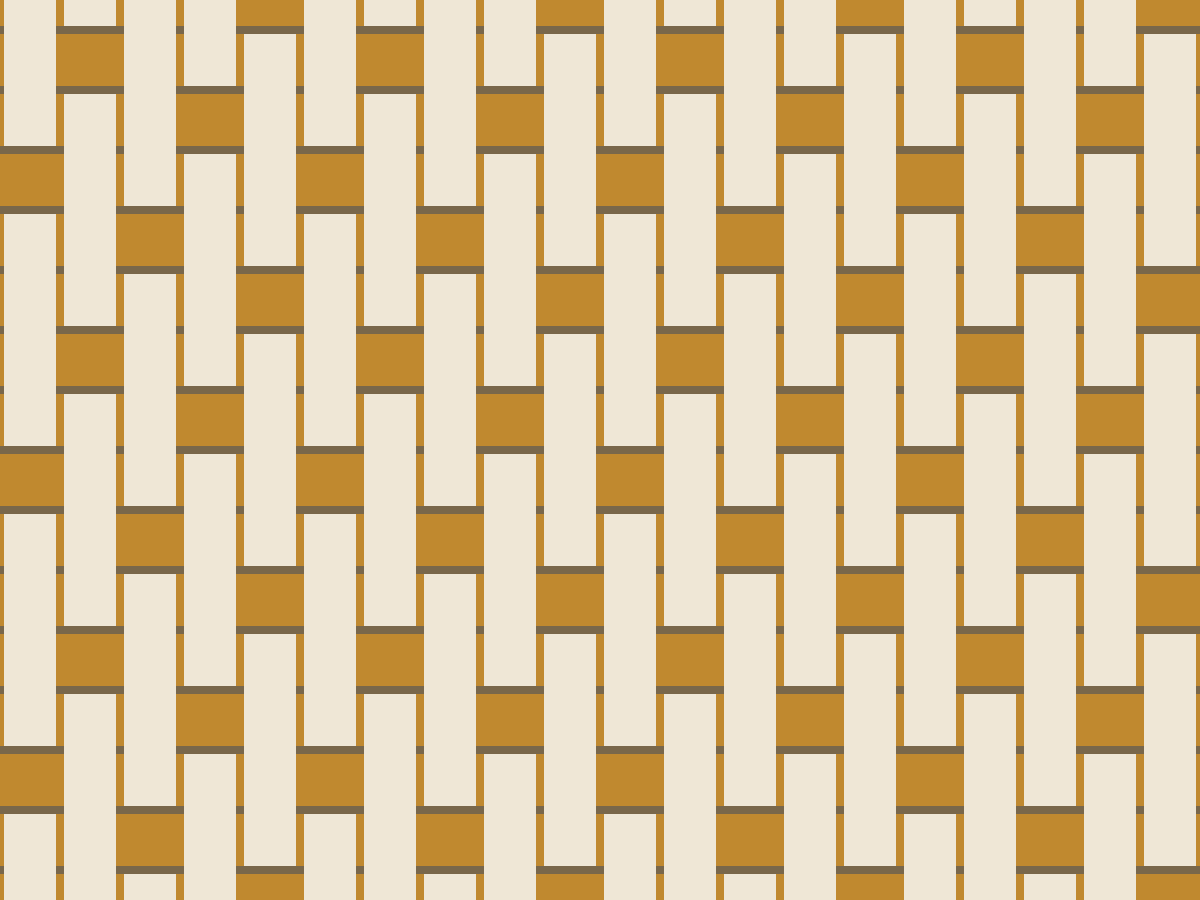
- 5-end sateen (weft-faced)
- Family
- weaves
Plate No. 020 · weave
Sateen
Sateen is the satin structure turned weft-side out: the long floats run crosswise in the weft rather than lengthwise in the warp, and the cloth is typically cotton rather than silk. The floats give cotton a soft hand and a gentle luster it cannot get from a plain weave, which is why sateen dominates bedsheets. The trade-off is the same as satin's: exposed floats snag and abrade more easily than a bound surface.
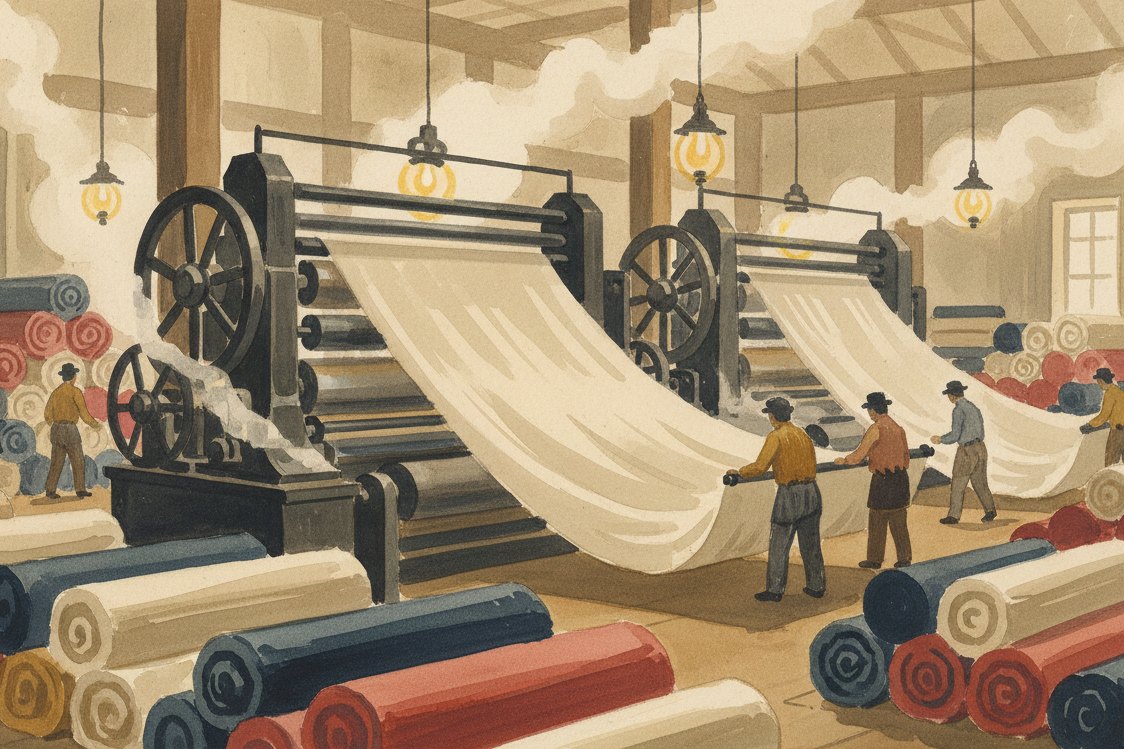
Named for
An English alteration of satin, coined for the cotton version of the weave.
Common questions
- What is Sateen made of?
- Sateen is the satin structure turned weft-side out: the long floats run crosswise in the weft rather than lengthwise in the warp, and the cloth is typically cotton rather than silk.
- Where does Sateen come from?
- Sateen comes from the United Kingdom, Western Europe, first documented in the 1800s.
- What is Sateen named after?
- An English alteration of satin, coined for the cotton version of the weave.
Often confused with
From the journal
Sources & References
Related specimens
Stay in the loop
From the Almanac
Updates from Fabric Almanac, when there is something worth sharing.