- First documented
- c. 1840
- Fiber
- wool
- Weave
- 2/2 twill, banded color orders
- Family
- checks
Plate No. 034 · pattern
Glen Plaid
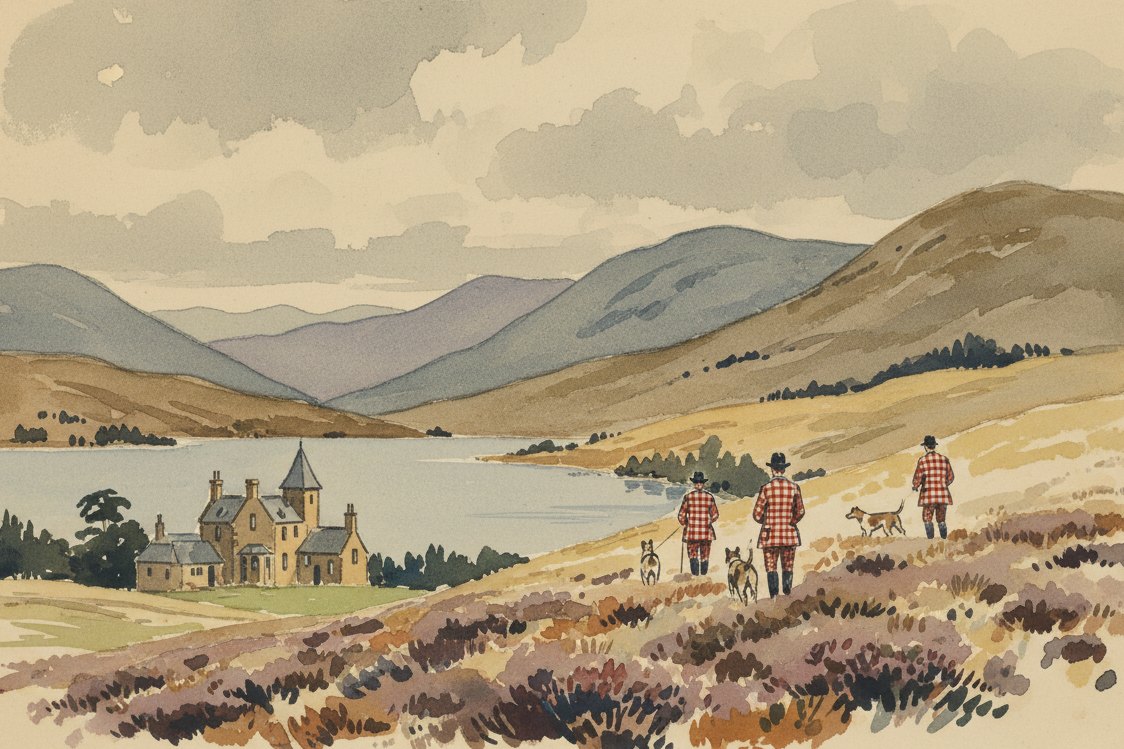
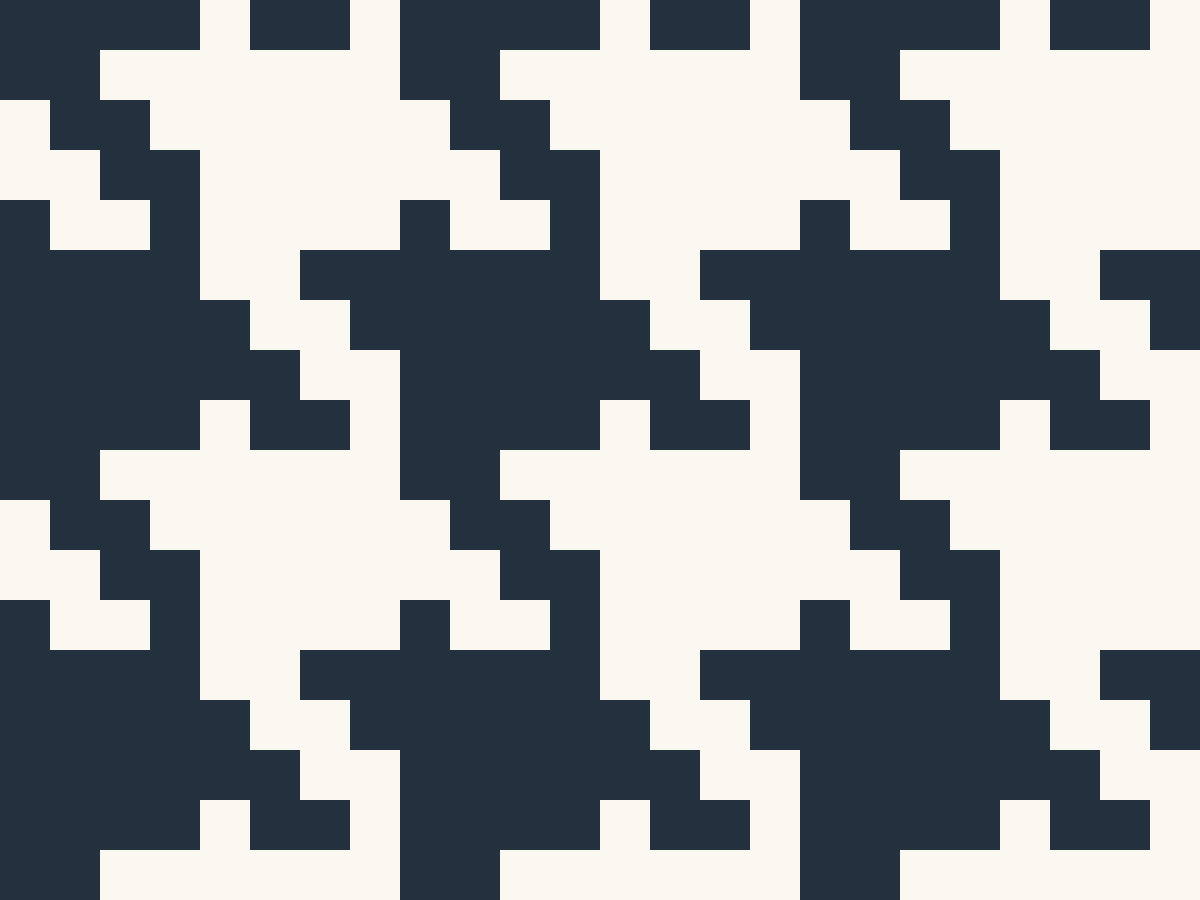
Glen plaid, or the Glenurquhart check, is a woven check that alternates bands of small two-and-two and larger four-and-four color orders on a twill ground, producing its signature interplay of fine houndstooth-like texture and bold crossing squares. It began as a Highland estate check in the 1840s and was made famous by Edward VIII as Prince of Wales, whose name still attaches to the version overlaid with a colored windowpane. It remains the most architectural of the classic suiting patterns.
Named for
Named for Glen Urquhart in the Scottish Highlands, where the estate check was first woven for the Countess of Seafield's keepers.
Also known as
Glen Urquhart check, Prince of Wales check
In the record
- 1930sEdward, Prince of Wales, wore the Glenurquhart check so often that the overchecked version took his title.
Common questions
- What is Glen Plaid made of?
- Glen plaid, or the Glenurquhart check, is a woven check that alternates bands of small two-and-two and larger four-and-four color orders on a twill ground, producing its signature interplay of fine houndstooth-like texture and bold crossing squares. It is traditionally made of wool.
- Where does Glen Plaid come from?
- Glen Plaid comes from Glen Urquhart, the United Kingdom, first documented in c. 1840.
- What is Glen Plaid named after?
- Named for Glen Urquhart in the Scottish Highlands, where the estate check was first woven for the Countess of Seafield's keepers.
Often confused with
From the journal
Sources & References
- 1.Glen plaid, Wikipedia
- 2.Edward VIII, Wikipedia
Related specimens
Stay in the loop
From the Almanac
Updates from Fabric Almanac, when there is something worth sharing.