Plate No. 001pattern
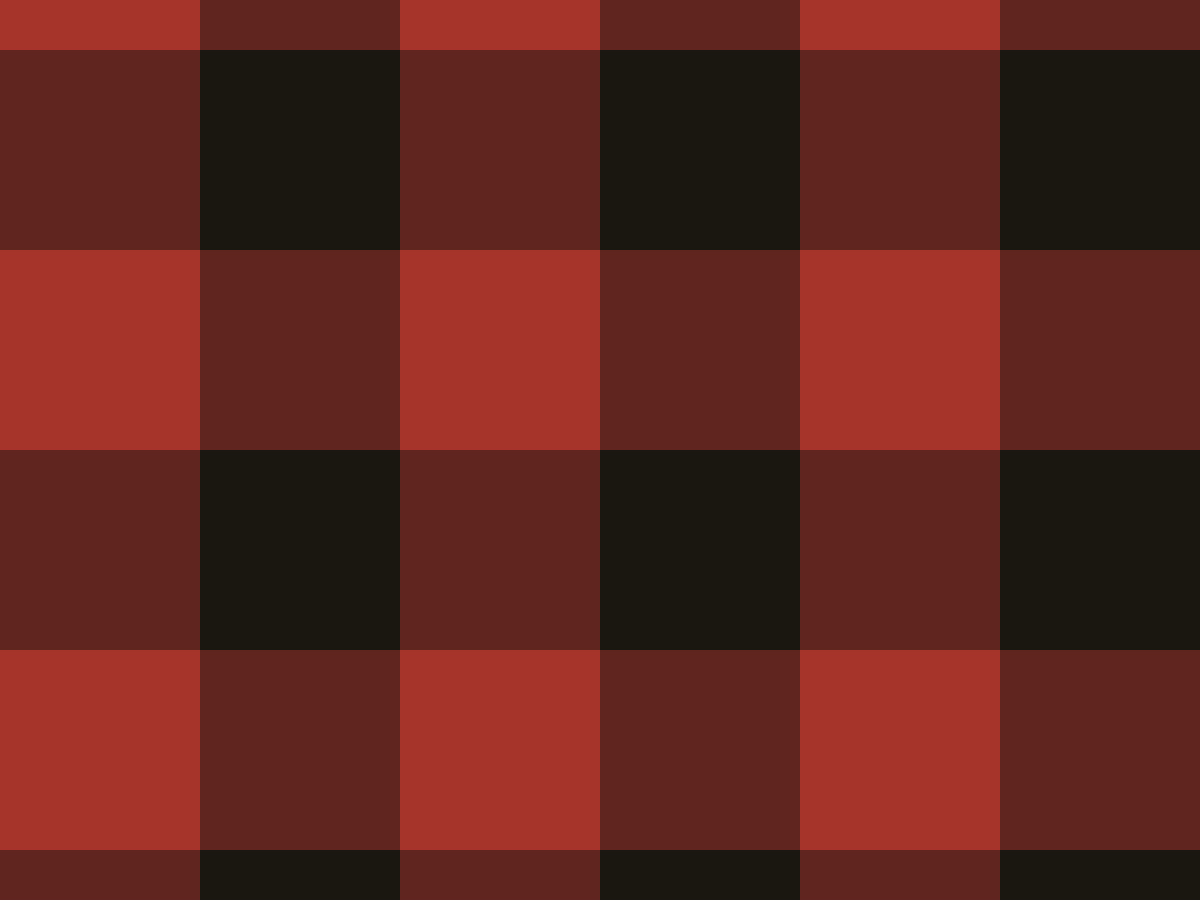
The classic tablecloth check.
- First documented
- c. 1600s
- Origin
- Malacca, Maritime Southeast Asia, Malaysia
- Fiber
- cotton
- Weave
- plain weave
- Family
- checks
Plate No. 001 · pattern
Gingham
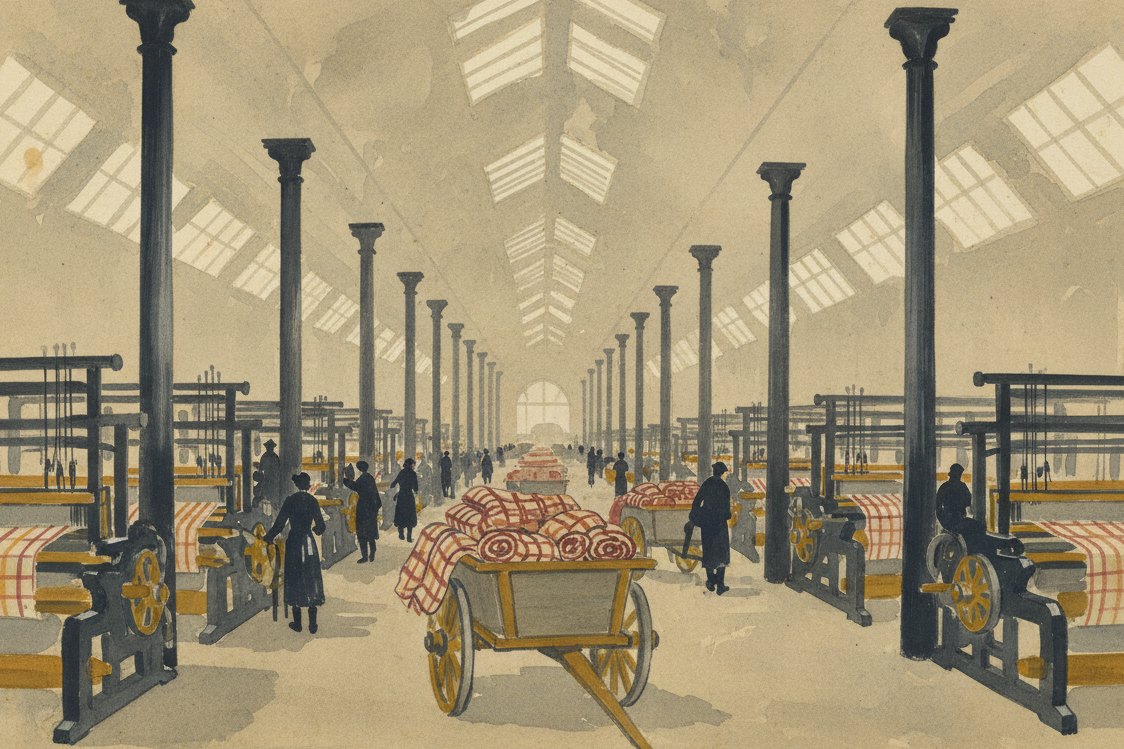
Gingham is a plain-weave cotton cloth distinguished by a balanced check of white and a single dyed color. It reached Europe in the seventeenth century as a striped fabric imported from Southeast Asia, and only from the mid-eighteenth century, when it was woven in the mills of Manchester, did it take on the checked pattern recognized today. The check is woven rather than printed, so it reads identically on both faces.
Named for
From the Malay genggang, meaning striped or separated. The modern checked form took the same name after it began to be woven in England.
Also known as
Vichy check
In the record
- 1939Dorothy's blue and white gingham pinafore in The Wizard of Oz fixed the check in popular memory.
Common questions
- What is Gingham made of?
- Gingham is a plain-weave cotton cloth distinguished by a balanced check of white and a single dyed color.
- Is Gingham woven or printed?
- The check is woven rather than printed, so it reads identically on both faces.
- What is Gingham named after?
- From the Malay genggang, meaning striped or separated. The modern checked form took the same name after it began to be woven in England.
Often confused with
From the journal
Sources & References
Related specimens
Stay in the loop
From the Almanac
Updates from Fabric Almanac, when there is something worth sharing.