- First documented
- 1600s
- Fiber
- cotton
- Weave
- plain weave, yarn-dyed
- Family
- checks
Plate No. 033 · fabric
Madras
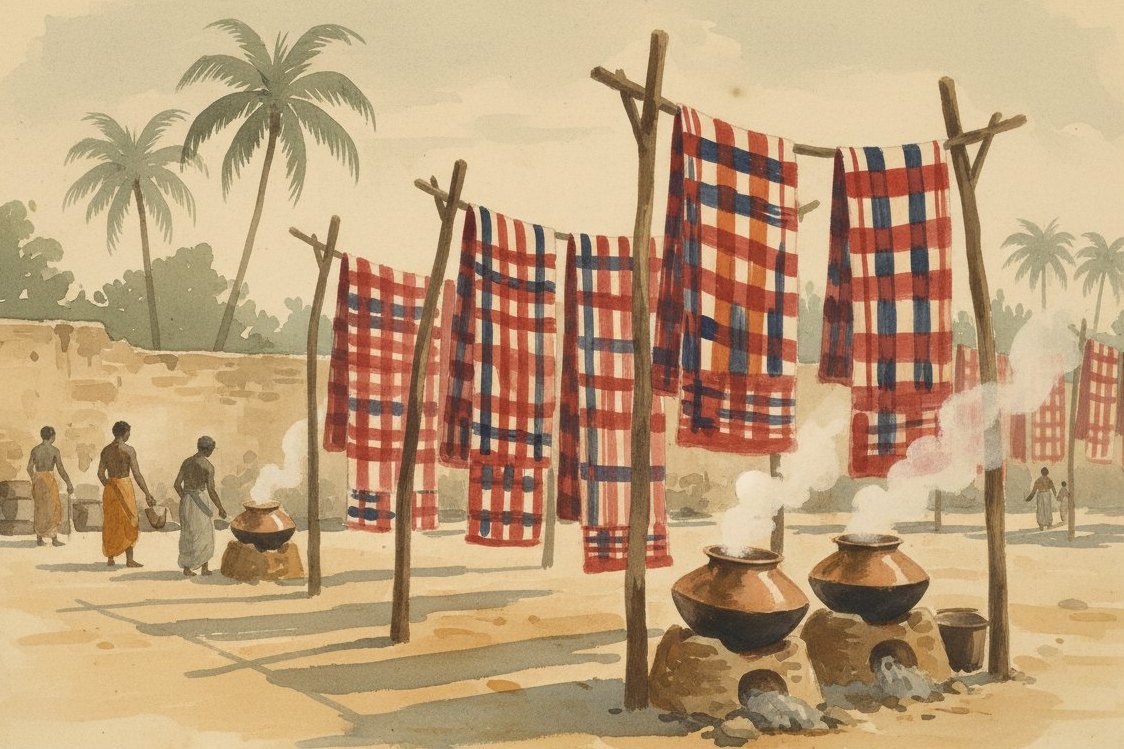
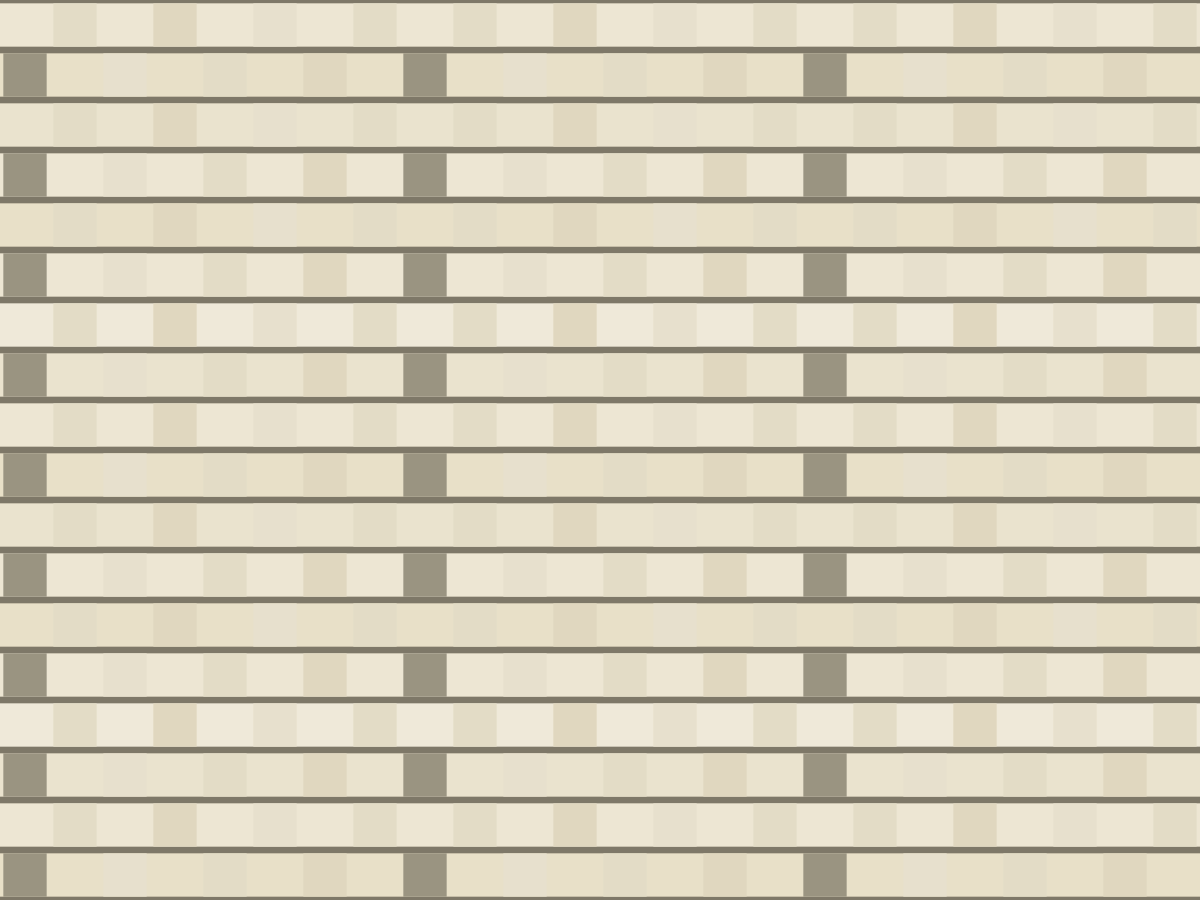
Madras is a lightweight handloom cotton from the region around Chennai, woven in bright multicolor checks and plaids from yarn dyed before weaving. The cloth traveled with trade and empire to West Africa, the Caribbean, and eventually the American resort wardrobe. Its mid-century fame rests on a flaw turned feature: authentic madras dyed with fugitive vegetable colors bled when washed, and in the 1960s 'bleeding madras' was marketed on the promise that no two washes left the same plaid.
Named for
Named for Madras, the colonial-era name of Chennai, the port city from which the checked handloom cottons were exported.
Also known as
bleeding madras
Common questions
- What is Madras made of?
- Madras is a lightweight handloom cotton from the region around Chennai, woven in bright multicolor checks and plaids from yarn dyed before weaving.
- How is Madras made?
- Madras is woven as a plain weave, yarn-dyed.
- What is Madras named after?
- Named for Madras, the colonial-era name of Chennai, the port city from which the checked handloom cottons were exported.
Often confused with
From the journal
Further reading
- The Fabric of Civilization: How Textiles Made the World by Virginia Postrel
A history of textiles and the trade routes that carried them, including the Indian cotton trade this cloth was part of.
Sources & References
- 1.Madras (cloth), Wikipedia
- 2.Chennai, Encyclopaedia Britannica
Related specimens
Stay in the loop
From the Almanac
Updates from Fabric Almanac, when there is something worth sharing.