Plate No. 032fabric
- First documented
- 1879
- Fiber
- wool, cotton
- Weave
- steep warp-faced twill
- Family
- twills
Plate No. 032 · fabric
Gabardine
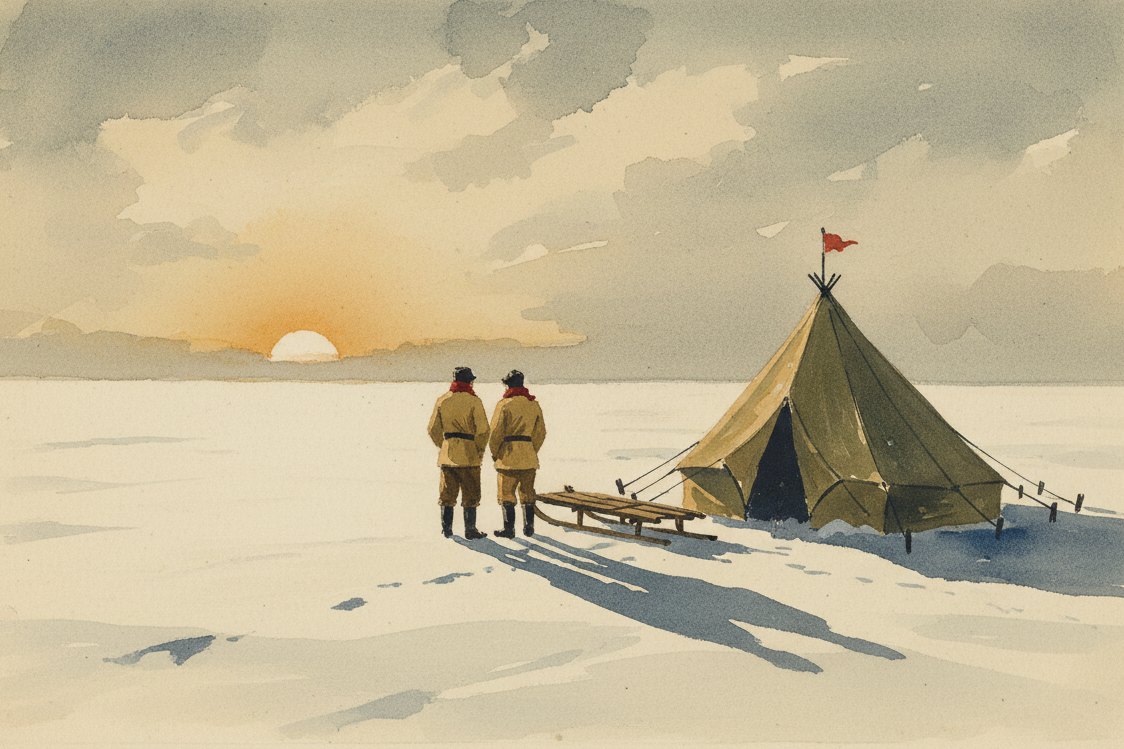
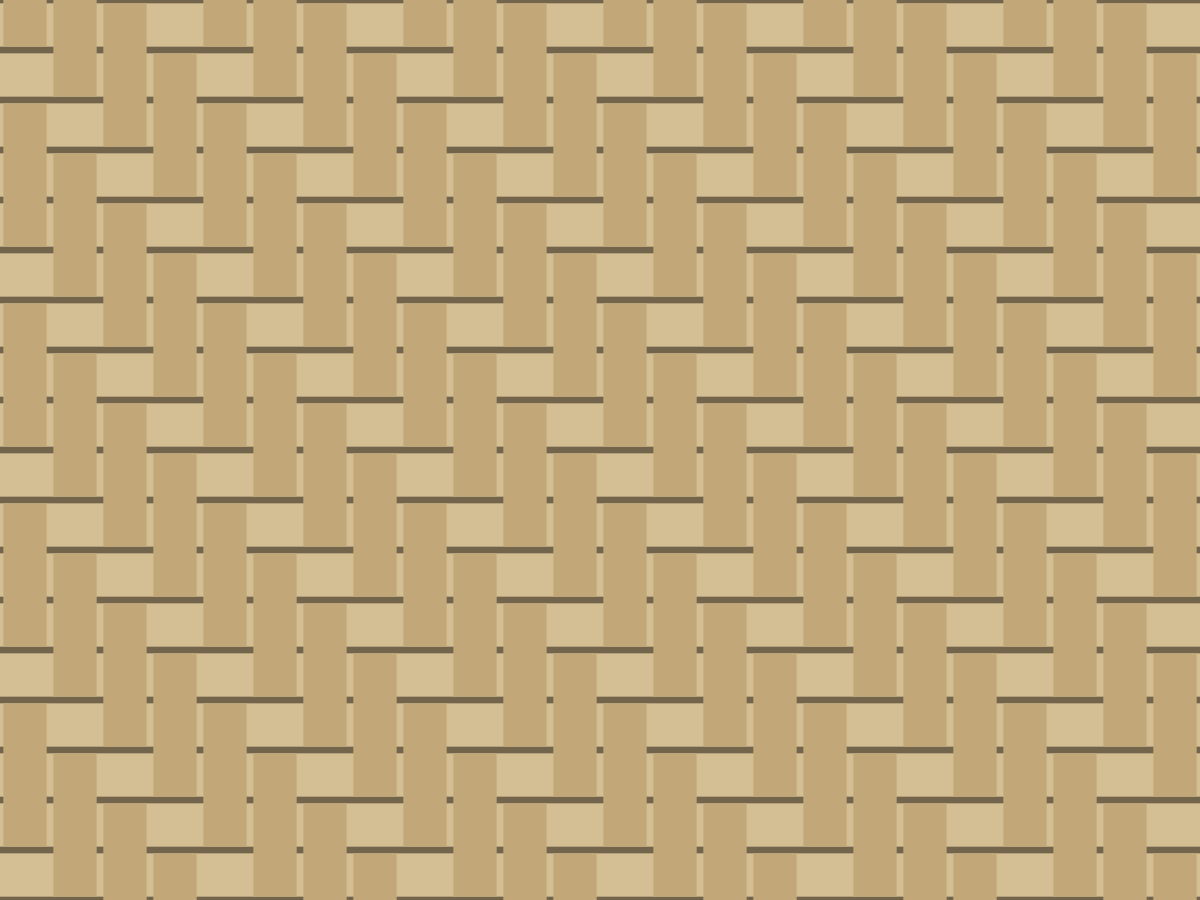
Gabardine is a steep, tightly set warp-faced twill developed by Thomas Burberry in 1879: the yarn is waterproofed before weaving, and the dense diagonal sheds rain while the cloth stays far lighter and more breathable than the rubberized mackintoshes it replaced. It clothed Edwardian explorers and the trench coats of the First World War, and in finer wool it became a standard for tailored trousers and suits. The hard, smooth twill surface is why gabardine takes a crease beautifully and shines with wear.
Named for
Revived by Thomas Burberry from gaberdine, the name of a loose protective smock worn since the Middle Ages.
Also known as
gaberdine
In the record
- 1888Burberry patented gabardine, the waterproof twill that outfitted polar and Everest expeditions.
Common questions
- What is Gabardine made of?
- Gabardine is a steep, tightly set warp-faced twill developed by Thomas Burberry in 1879: the yarn is waterproofed before weaving, and the dense diagonal sheds rain while the cloth stays far lighter and more breathable than the rubberized mackintoshes it replaced. It is traditionally made of wool or cotton.
- Where does Gabardine come from?
- Gabardine comes from Basingstoke, the United Kingdom, first documented in 1879.
- What is Gabardine named after?
- Revived by Thomas Burberry from gaberdine, the name of a loose protective smock worn since the Middle Ages.
From the journal
Sources & References
- 1.Gabardine, Wikipedia
- 2.Thomas Burberry, Wikipedia
Related specimens



Stay in the loop
From the Almanac
Updates from Fabric Almanac, when there is something worth sharing.