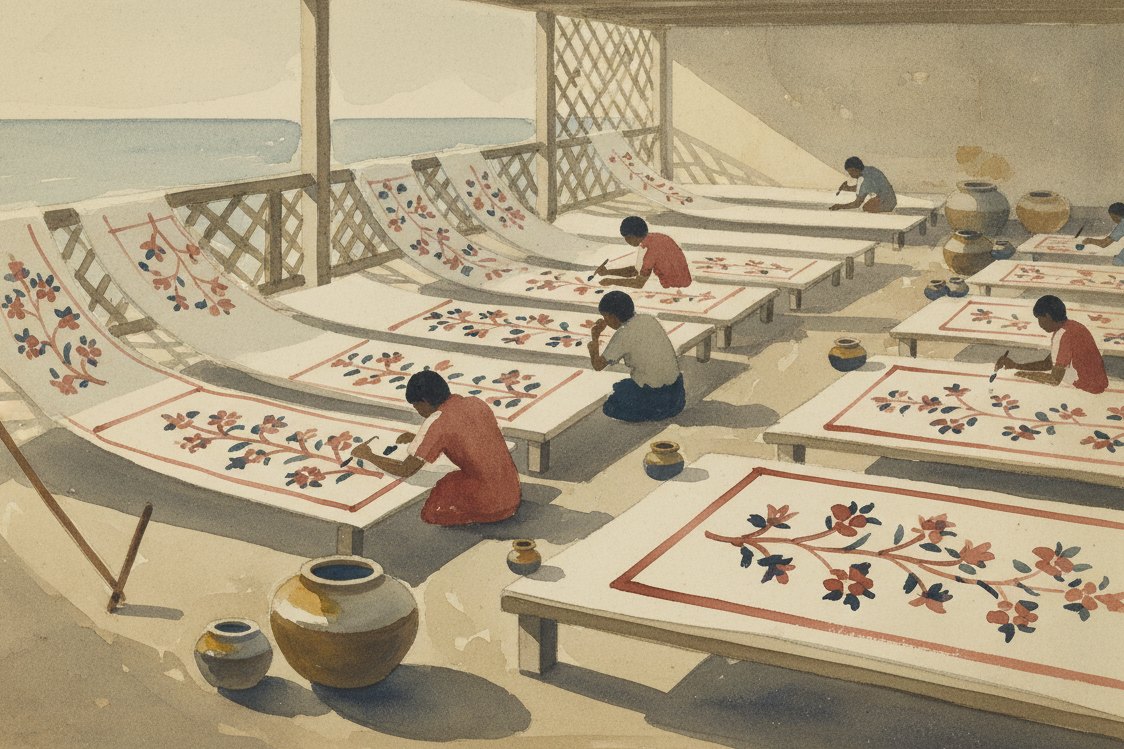
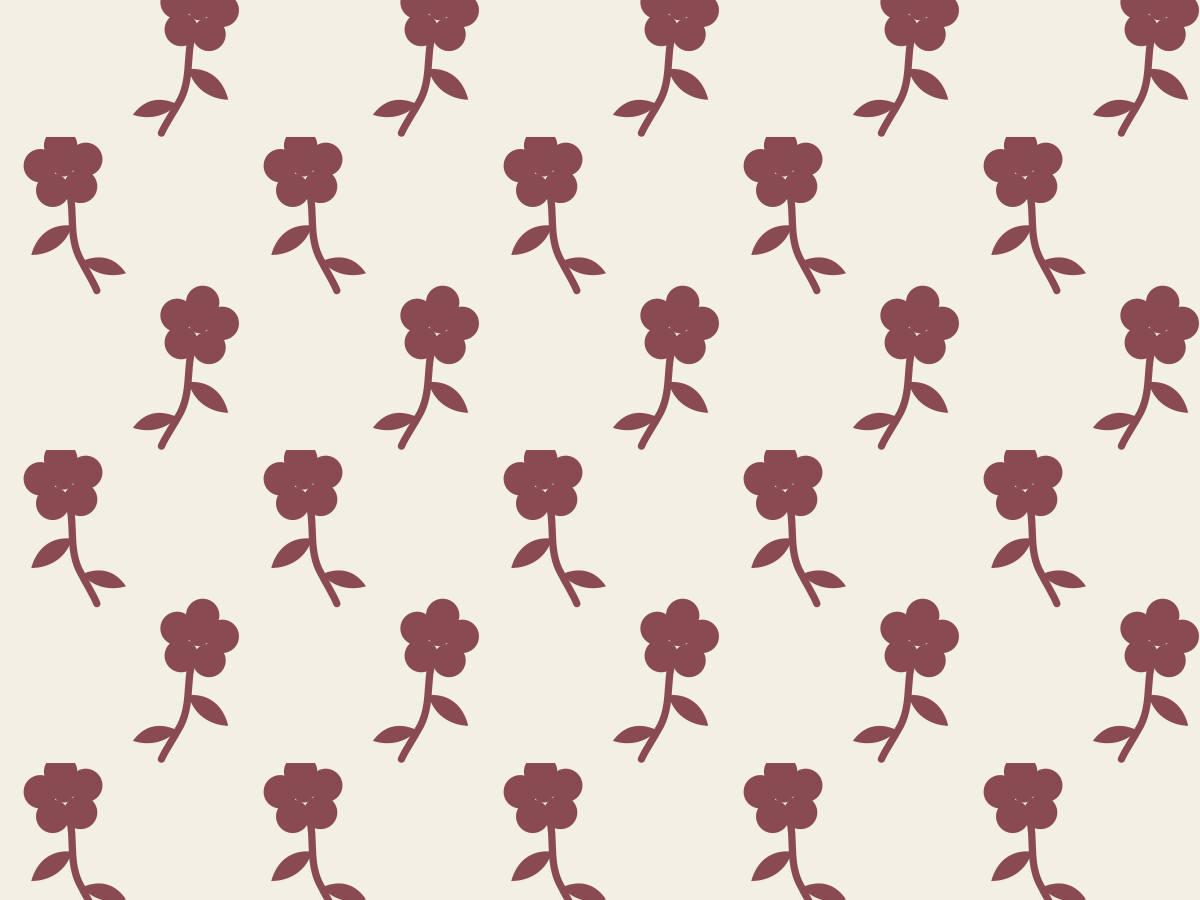
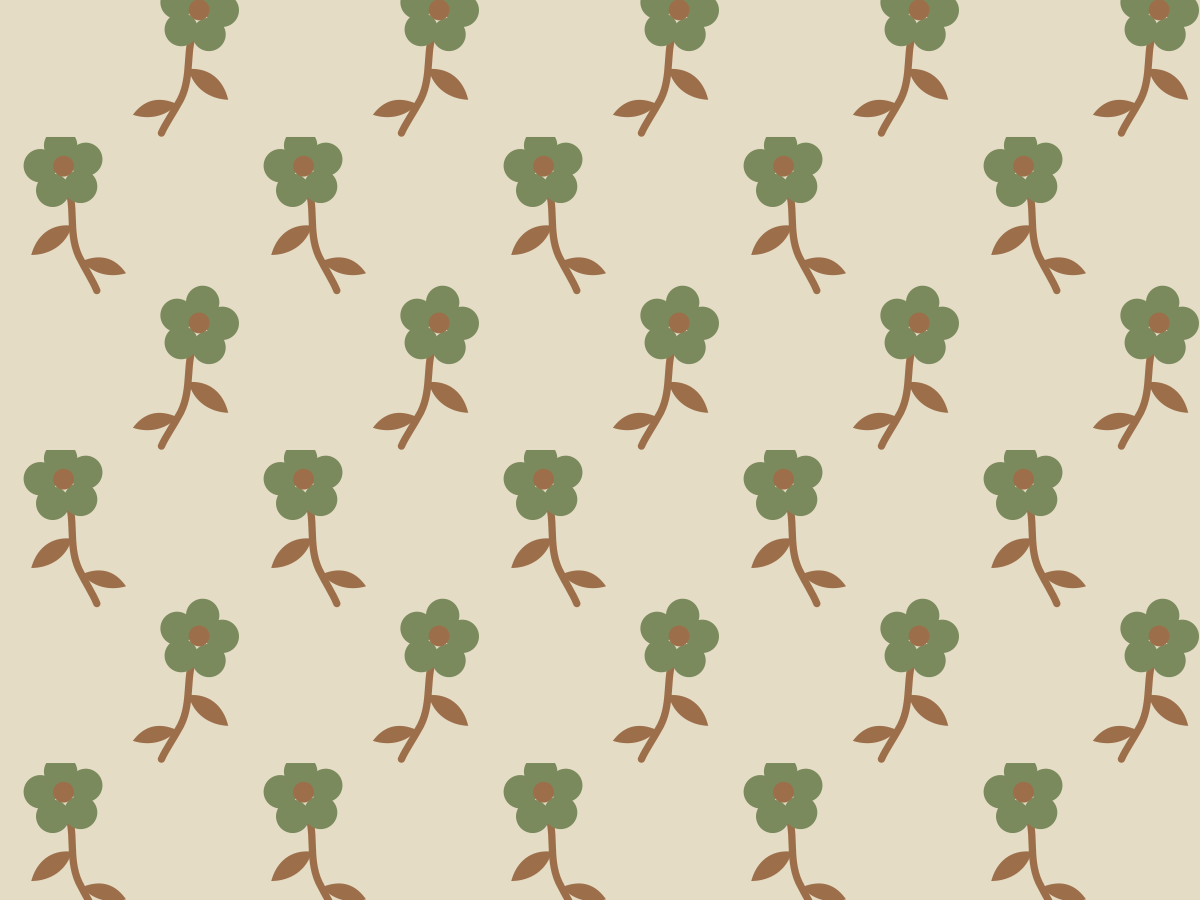
Flowering sprigs on a pale glazed ground.
- First documented
- 1600s
- Fiber
- cotton
- Weave
- plain weave, printed and glazed
- Family
- motifs
Plate No. 064 · fabric
Chintz
Chintz is glazed, printed cotton, classically strewn with flowering sprigs and branches on a pale ground. The originals were painted and resist-dyed on India's Coromandel Coast in colors Europe could not reproduce, and they were so popular that both France and England banned them, the same protectionist panic that produced the Calico Acts. The polished glaze gives chintz its sheen, and its overuse in twentieth century decorating gave English the word chintzy, a hard fall for the most coveted cloth of the 1600s.
Named for
From the Hindi chint, spotted or sprinkled, pluralized in English trade as chints and then chintz.
Also known as
chints, sits
In the record
- 1600sPainted Coromandel chintzes became a craze in Europe, smuggled freely during the import bans.
Common questions
- What is Chintz made of?
- Chintz is glazed, printed cotton, classically strewn with flowering sprigs and branches on a pale ground.
- Where does Chintz come from?
- Chintz comes from Coromandel Coast, India, first documented in the 1600s.
- What is Chintz named after?
- From the Hindi chint, spotted or sprinkled, pluralized in English trade as chints and then chintz.
Often confused with
Sources & References
Related specimens
Stay in the loop
From the Almanac
Updates from Fabric Almanac, when there is something worth sharing.