Plate No. 051fabric
- First documented
- 1700s
- Origin
- Western Europe, Germany
- Fiber
- cotton
- Weave
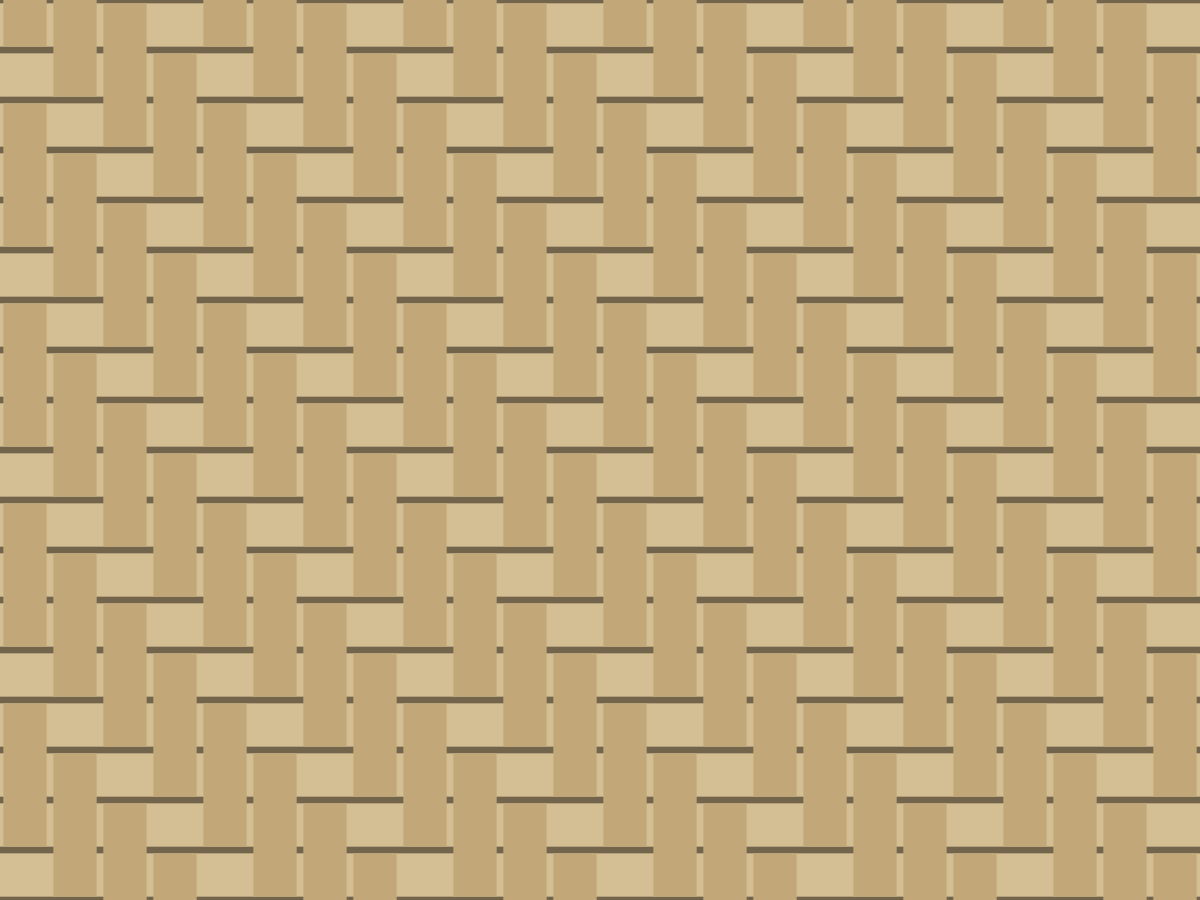
- stout 3/1 twill
- Family
- twills
Plate No. 051 · fabric
Drill
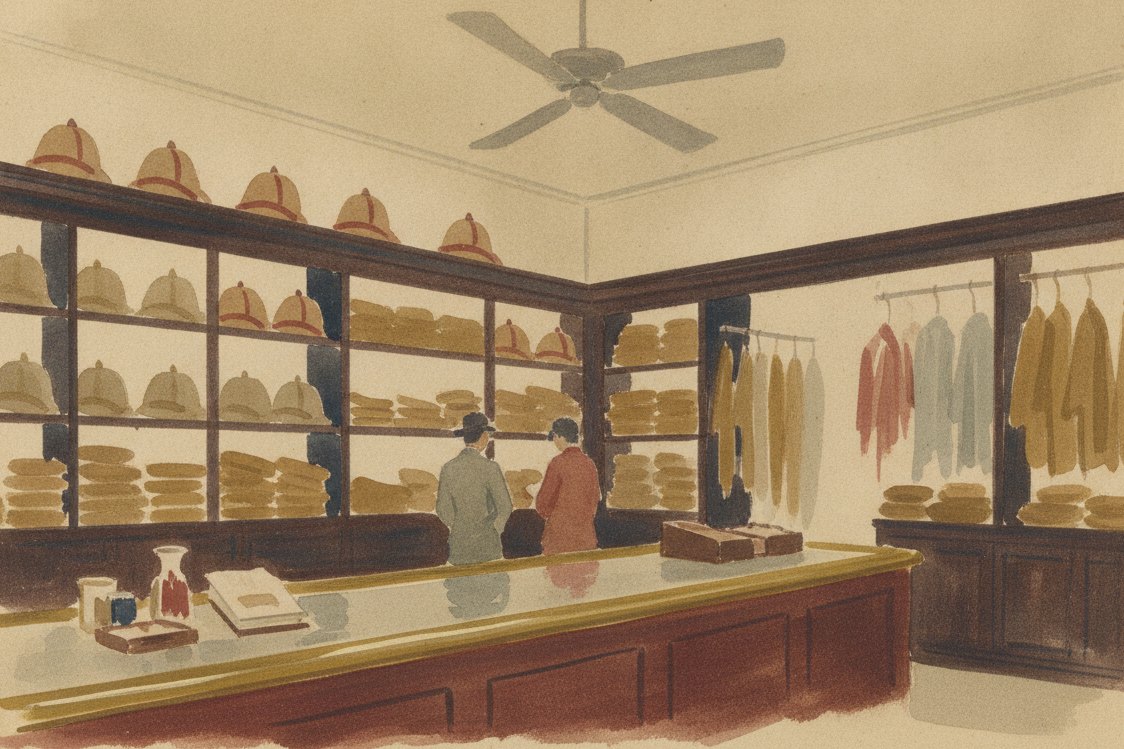
Drill is a stout, hard-wearing cotton twill, heavier than shirting and lighter than canvas, woven with a clear steep diagonal. Its name records its construction: the German Drillich and Latin trilix both mean three threads, the warp-dominant interlacing that gives the cloth its density. Undyed drill clothed empires in the tropics, dyed khaki it became the British military standard, and in the workwear of the twentieth century it survives in everything from chef whites to safari jackets.
Named for
From the German Drillich, a three-thread cloth, from the Latin trilix: the same three-threaded root that gives twill its structure.
Common questions
- What is Drill made of?
- Drill is a stout, hard-wearing cotton twill, heavier than shirting and lighter than canvas, woven with a clear steep diagonal.
- Where does Drill come from?
- Drill comes from Germany, Western Europe, first documented in the 1700s.
- What is Drill named after?
- From the German Drillich, a three-thread cloth, from the Latin trilix: the same three-threaded root that gives twill its structure.
Often confused with
Sources & References
- 1.Drill (fabric), Wikipedia
- 2.Twill, Wikipedia
Related specimens

Stay in the loop
From the Almanac
Updates from Fabric Almanac, when there is something worth sharing.