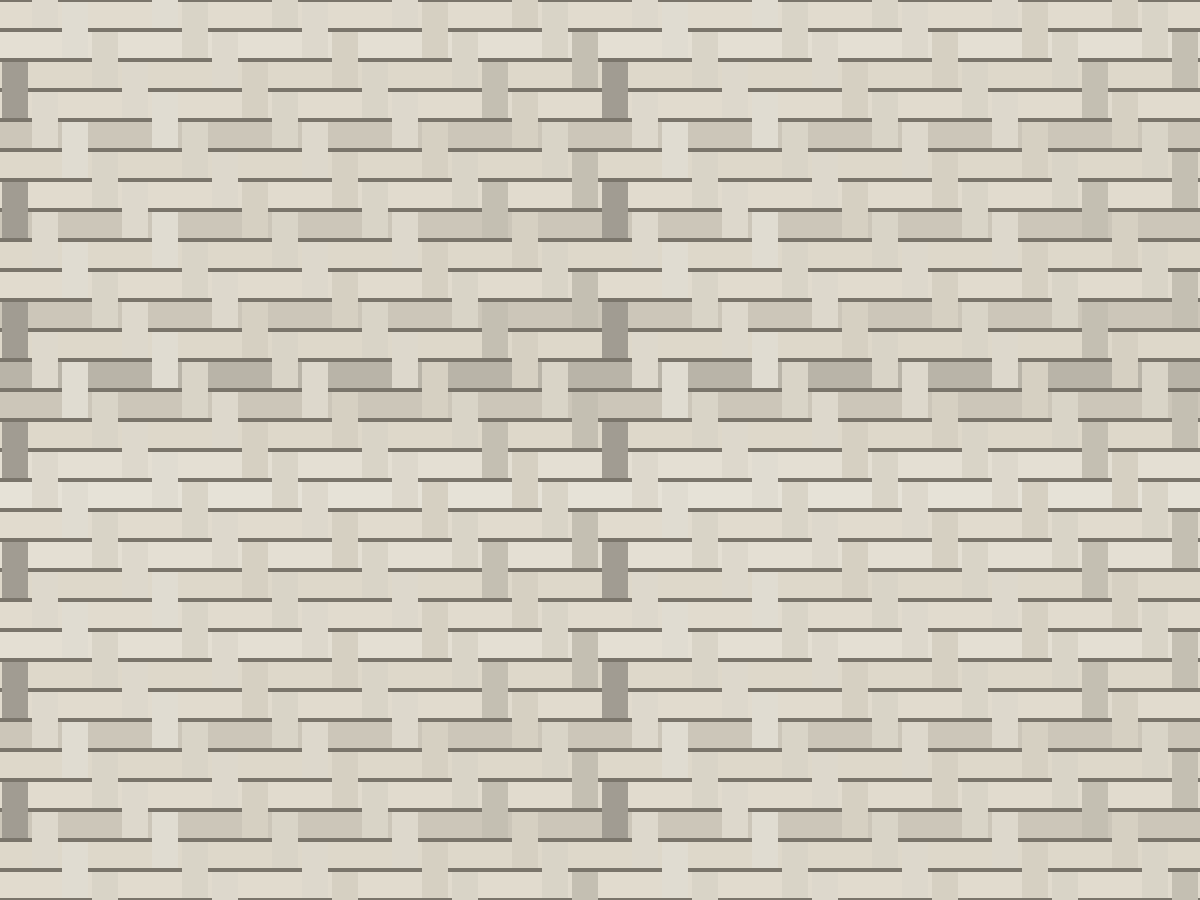
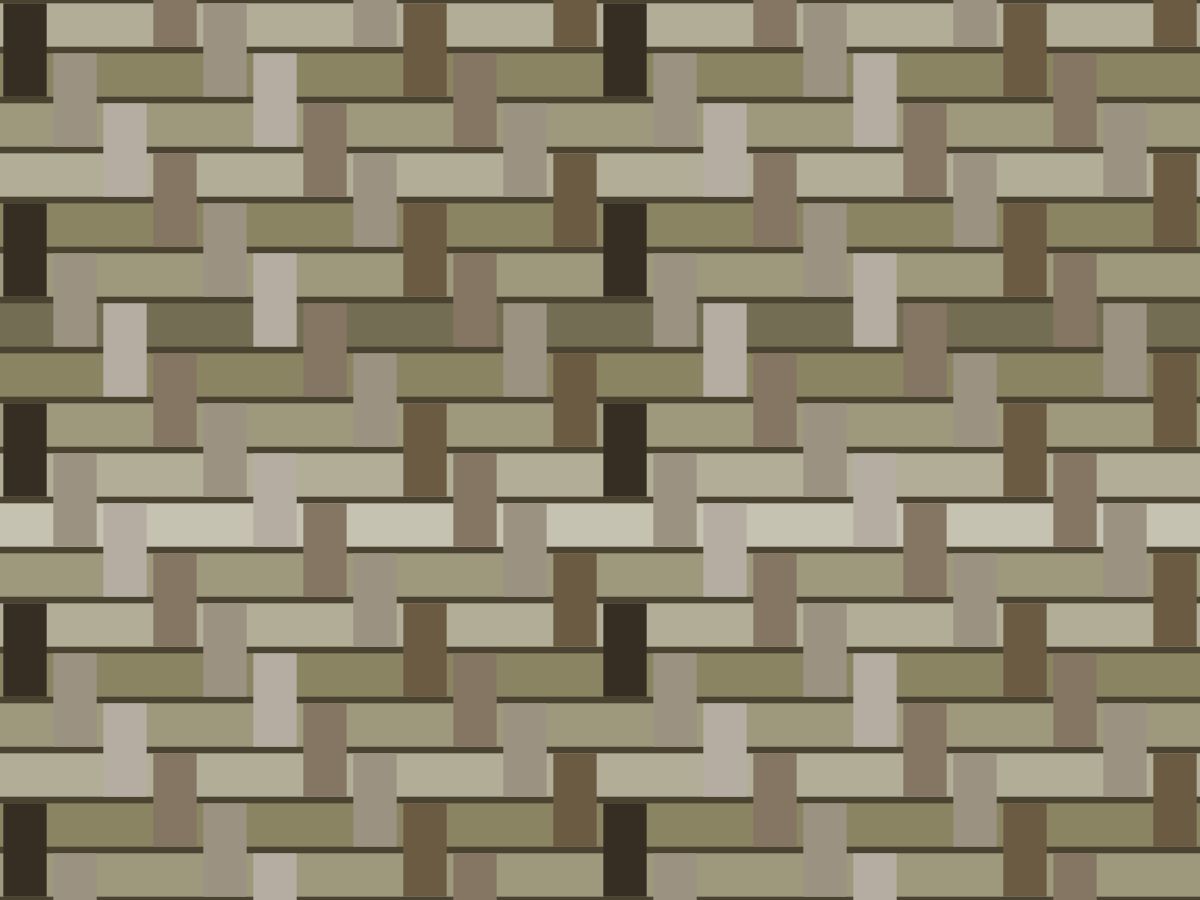
The crimped, air-trapping fleece fiber, shown as a heathered twill.
- First documented
- Antiquity
- Origin
- the Near East, Iran
- Fiber
- wool
- Weave
- the fleece fiber, woven or knitted
- Family
- fibers
Plate No. 127 · fabric
Wool
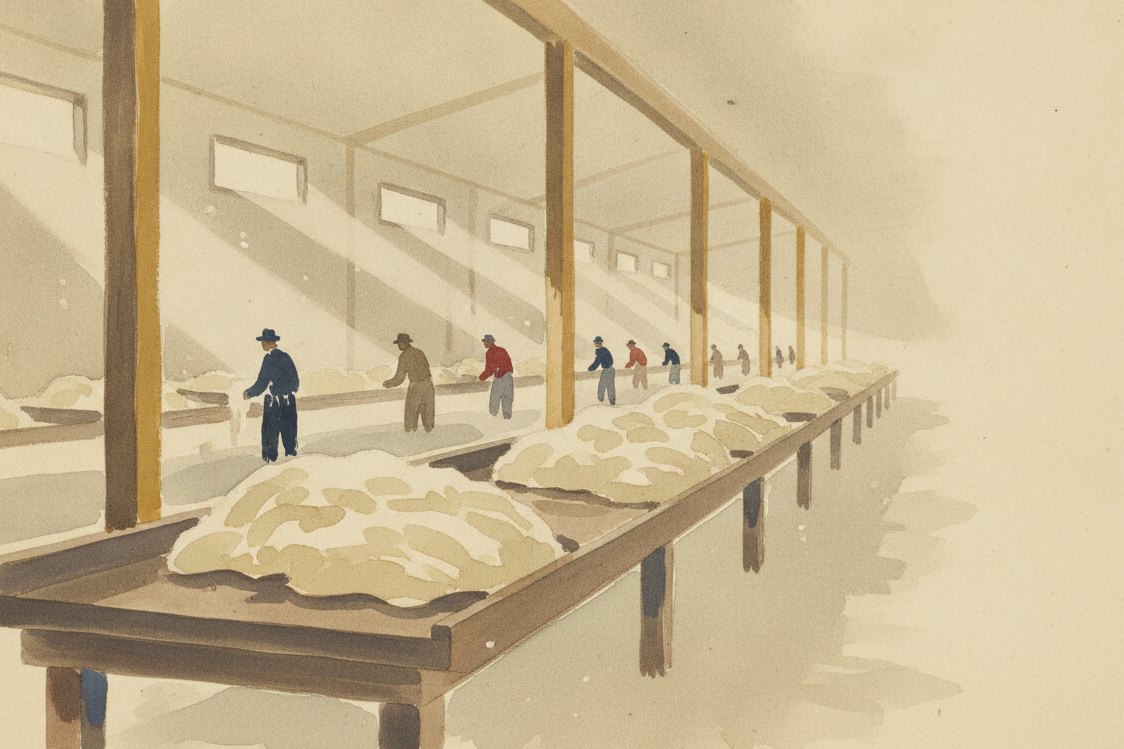
Wool is the crimped, springy fiber of the sheep's fleece, and it is the great cloth of cold and temperate climates. Its natural crimp traps air, so it insulates even when damp, and its scaled surface lets it be felted and fulled into dense weatherproof cloth. Sheep were among the first animals domesticated, and wool clothed the ancient world and built medieval economies: the English wool trade funded cathedrals, and the Lord Chancellor still sits on the Woolsack. From fine merino to coarse carpet wool, it ranges more widely than any other single fiber, and most of the twills and coatings in this catalogue are wool.
Named for
From the Old English wull, from a common Indo-European root for the fleece, shared with the Latin lana.
Common questions
- What is Wool made of?
- Wool is the crimped, springy fiber of the sheep's fleece, and it is the great cloth of cold and temperate climates.
- Where does Wool come from?
- Wool comes from Iran, the Near East, where it dates to Antiquity.
- What is Wool named after?
- From the Old English wull, from a common Indo-European root for the fleece, shared with the Latin lana.
Often confused with
From the journal
Sources & References
Related specimens



Stay in the loop
From the Almanac
Updates from Fabric Almanac, when there is something worth sharing.