Plate No. 133fabric
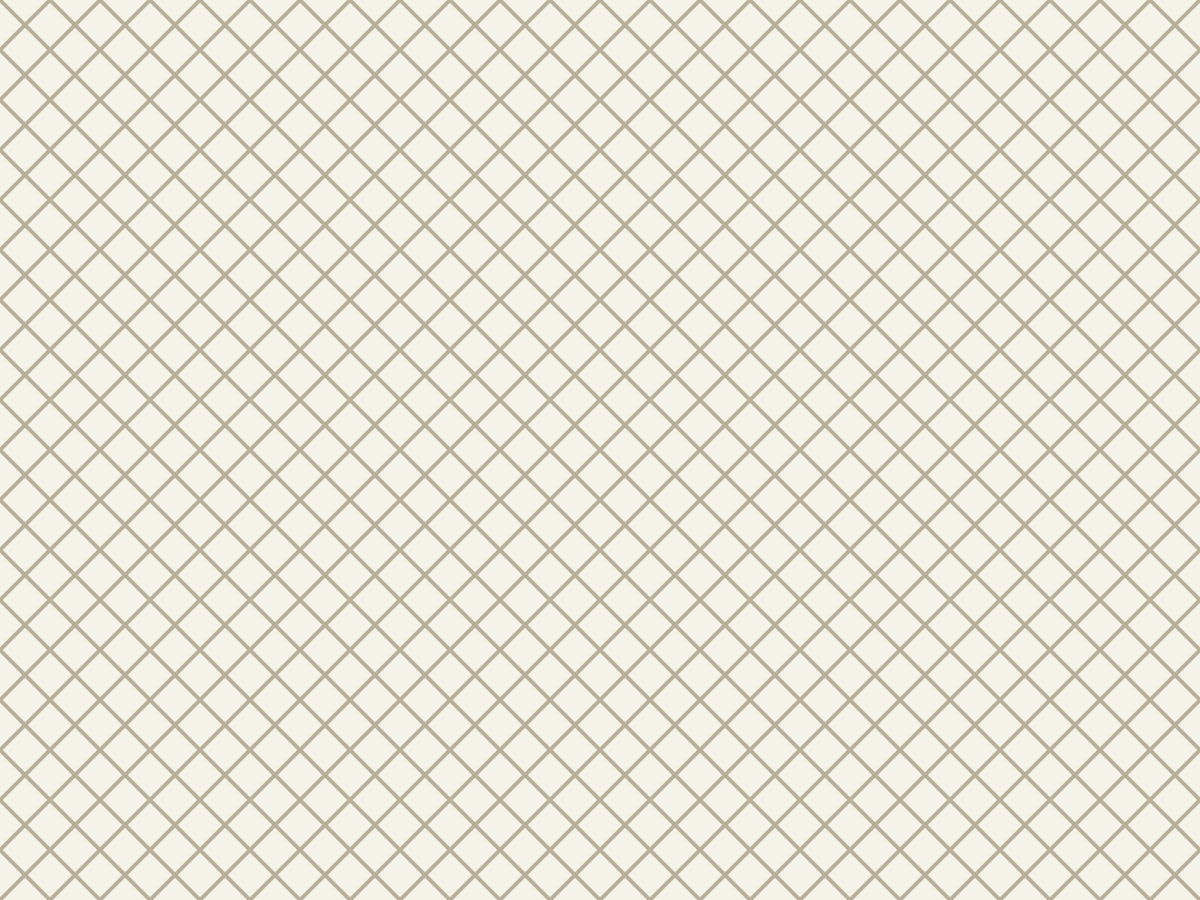
The locked open mesh of the leno weave.
- First documented
- 1900s
- Origin
- France, France
- Fiber
- cotton, silk, nylon
- Weave
- leno-weave open mesh
- Family
- lace
Plate No. 133 · fabric
Marquisette
Marquisette is a sheer, open mesh fabric made by the leno weave, in which paired warp threads are twisted around each weft pick to lock the open spaces so the net cannot slip or fray. That twist gives it a stable, gauzy openness used for mosquito netting, curtains, canopies, and lightweight dress sheers. Woven from cotton, silk, or later nylon, marquisette is defined not by a pattern but by its structure: a deliberate, durable openness that a plain weave cannot hold.

Named for
From the French marquisette, a diminutive linked to marquise, an awning or canopy; the cloth was used for nets and canopies.
Common questions
- What is Marquisette made of?
- Marquisette is a sheer, open mesh fabric made by the leno weave, in which paired warp threads are twisted around each weft pick to lock the open spaces so the net cannot slip or fray. It is traditionally made of cotton, silk, or nylon.
- Where does Marquisette come from?
- Marquisette comes from France, first documented in the 1900s.
- What is Marquisette named after?
- From the French marquisette, a diminutive linked to marquise, an awning or canopy; the cloth was used for nets and canopies.
Often confused with
Sources & References
- 1.Marquisette, Wikipedia
- 2.Leno weave, Wikipedia
Related specimens



Stay in the loop
From the Almanac
Updates from Fabric Almanac, when there is something worth sharing.