- First documented
- Middle Ages
- Origin
- Angora, Anatolia, Turkey
- Fiber
- mohair, wool, silk
- Weave
- plain or twill, originally of camel or goat hair
- Family
- twills
Plate No. 170 · fabric
Camlet
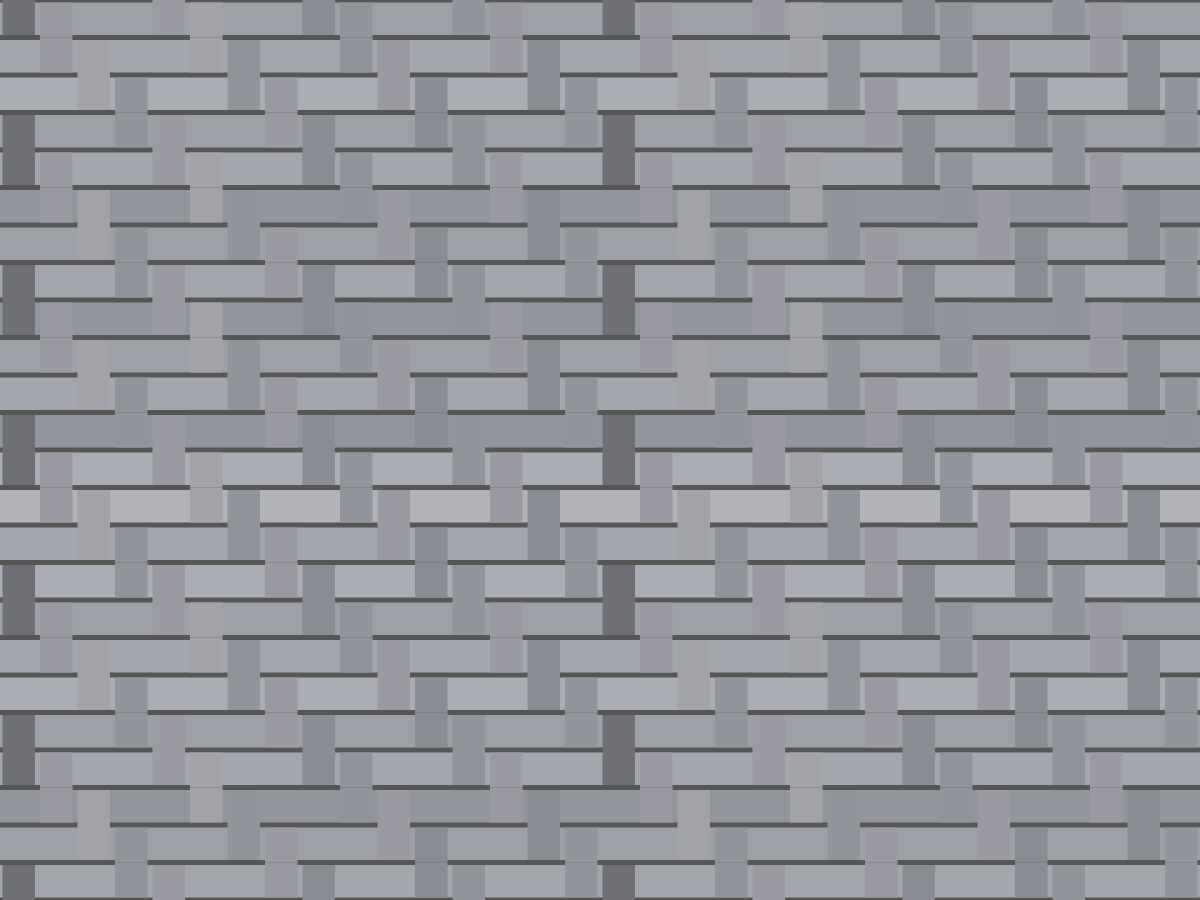
Camlet is a plain or twilled cloth, originally woven from camel or Angora goat hair and later from wool, silk, or their blends. It reached medieval Europe through the Levant as a costly import, prized as warm, hard-wearing, and often finished with a watered or waterproofed surface. By the seventeenth and eighteenth centuries it was widely woven in England and the Low Countries for cloaks and coats. The name was attached to so many different cloths over the centuries that it became a byword for a fabric defined more by reputation than by any fixed recipe.
Named for
From the Old French camelot, associated with the Arabic khamlat, plush or nap; a folk etymology tied it to camel hair, the fiber of the earliest versions.
Also known as
camblet, chamlet
Modern equivalent
The closest cloth in this catalogue you can source today.
Common questions
- What is Camlet made of?
- Camlet is a plain or twilled cloth, originally woven from camel or Angora goat hair and later from wool, silk, or their blends.
- What is Camlet named after?
- From the Old French camelot, associated with the Arabic khamlat, plush or nap; a folk etymology tied it to camel hair, the fiber of the earliest versions.
From the journal
Sources & References
- 1.Camlet, Wikipedia
- 2.camlet, Online Etymology Dictionary
- 3.The Leiden Connection of Norwich Textiles, Textile Research Centre, Leiden
Related specimens



Stay in the loop
From the Almanac
Updates from Fabric Almanac, when there is something worth sharing.