The high satin sheen that made acetate a lining and eveningwear cloth.
- First documented
- 1920s
- Fiber
- cellulose acetate
- Weave
- woven from cellulose acetate, often satin
- Family
- manufactured
Plate No. 120 · fabric
Acetate
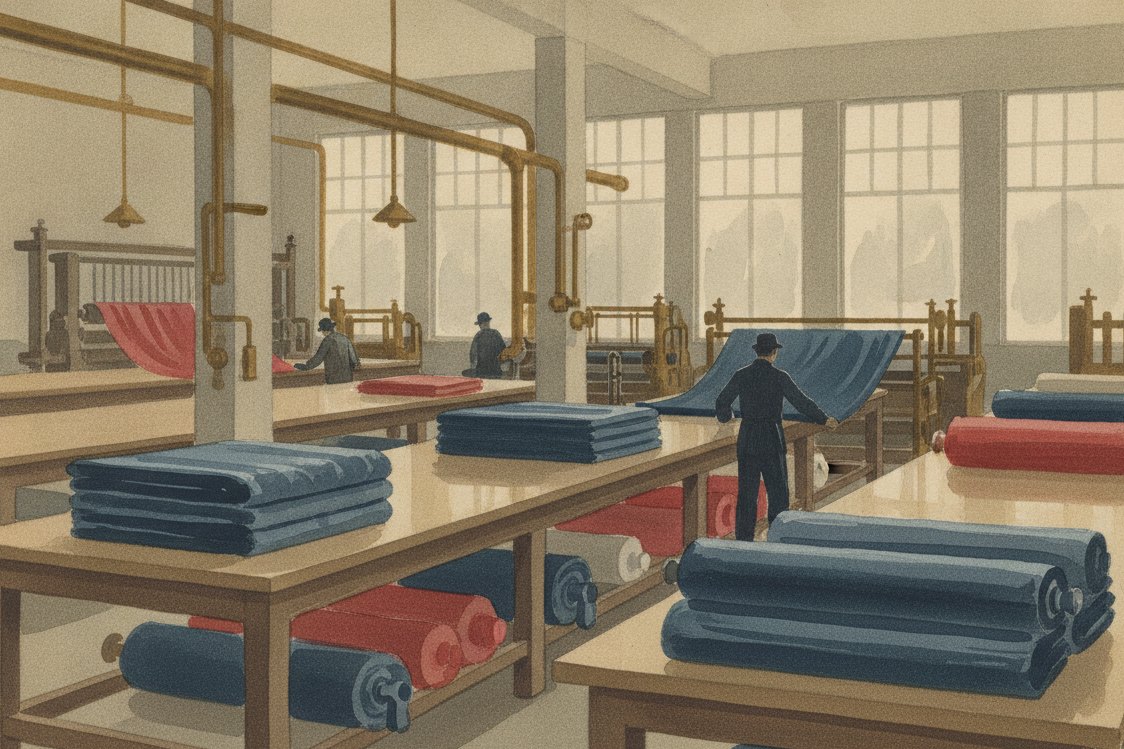
Acetate is a second regenerated-cellulose fiber, but where rayon reforms the cellulose itself, acetate chemically converts it into a new compound, cellulose acetate, before spinning. The result is lustrous, crisp, and silk-like, with a luxurious sheen that made it a favorite for linings, eveningwear, and satin. It dyes and drapes beautifully but is weak when wet and sensitive to heat and to some solvents, so it demands gentle care. The Dreyfus brothers, who first made acetate dope for aircraft in the First World War, turned it to textiles in the 1920s.
Named for
Named for the acetate chemistry, cellulose treated with acetic acid, that forms the fiber.
Also known as
cellulose acetate
Common questions
- What is Acetate made of?
- Acetate is a second regenerated-cellulose fiber, but where rayon reforms the cellulose itself, acetate chemically converts it into a new compound, cellulose acetate, before spinning.
- Where does Acetate come from?
- Acetate comes from the United Kingdom, Switzerland and Britain, first documented in the 1920s.
- What is Acetate named after?
- Named for the acetate chemistry, cellulose treated with acetic acid, that forms the fiber.
Often confused with
From the journal
Sources & References
- 1.Cellulose acetate, Wikipedia
- 2.Acetate, Wikipedia
Related specimens
Stay in the loop
From the Almanac
Updates from Fabric Almanac, when there is something worth sharing.