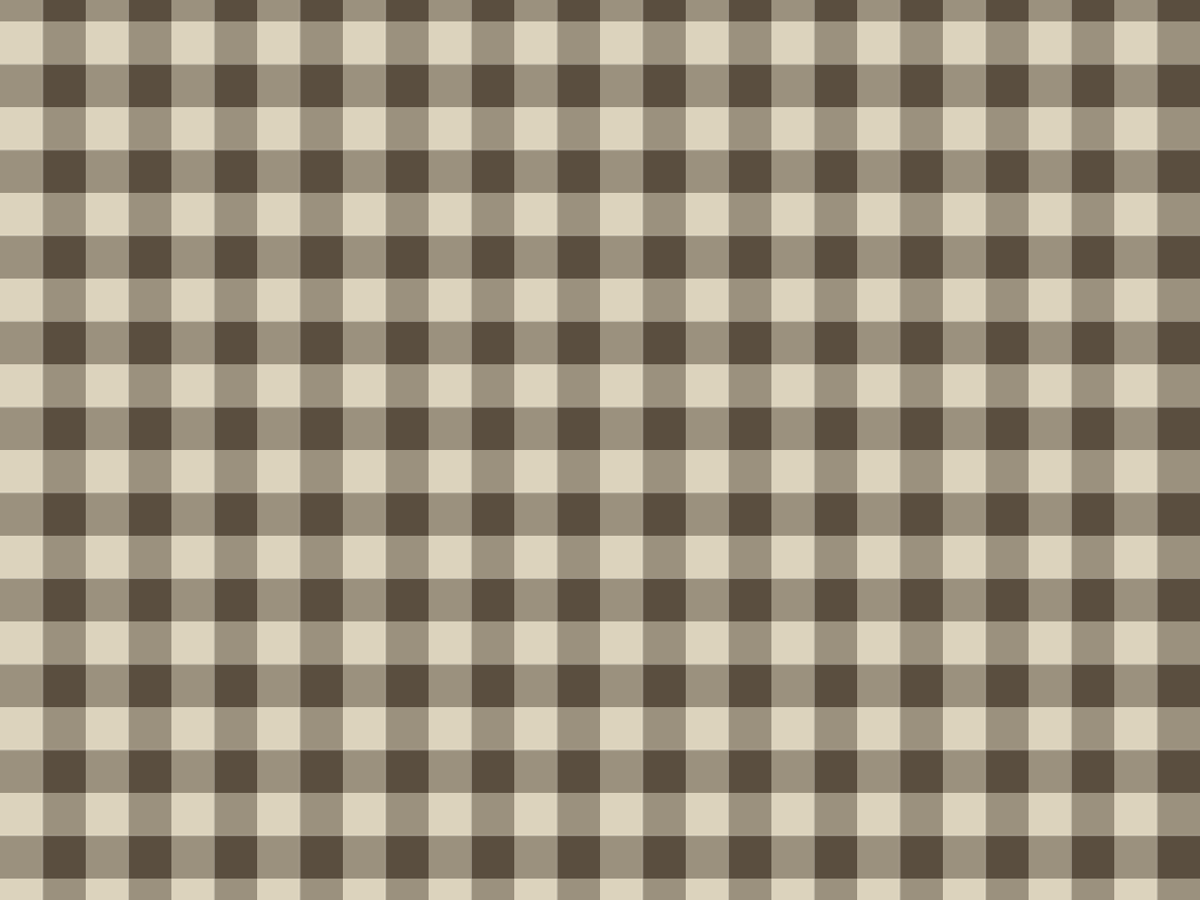
Undyed wool against black sheep wool.
- First documented
- c. 3rd century AD
- Fiber
- wool
- Weave
- 2/2 twill
- Family
- tartans
Plate No. 038 · tartan
Shepherd's Check
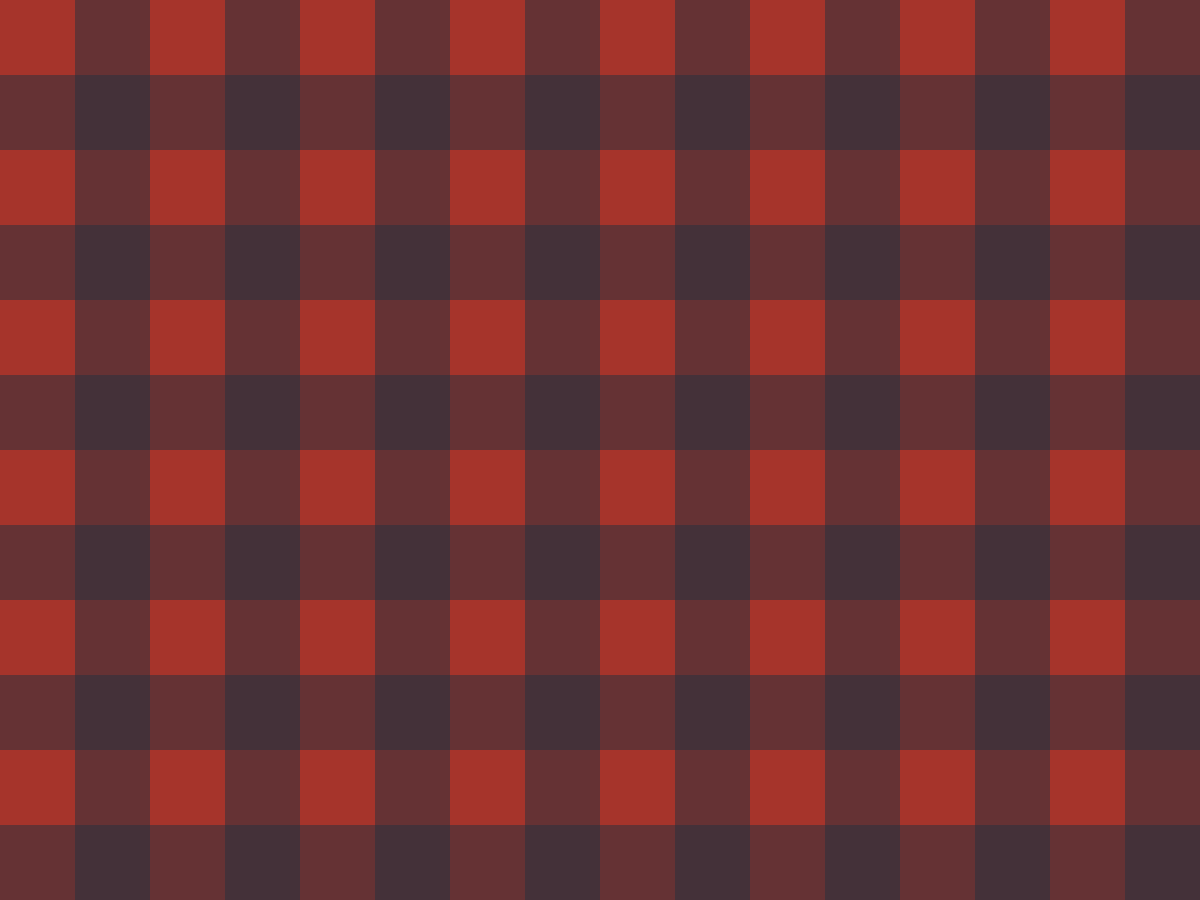
Shepherd's check is a small, even check of dark and light wool, the oldest and plainest member of the tartan family. Historically the light squares were simply untreated sheep's wool and the dark squares the wool of a black sheep or yarn dyed with bark, so the cloth could be made with little or no dyestuff at all. Check fragments of this type survive from Roman Britain, and the pattern was popularized from the 1820s by Border Scots including Walter Scott, whose checked trousers set off a London fashion. At small scale and woven on the twill it is also the direct ancestor of houndstooth, whose teeth appear when the check's color order meets the twill float.
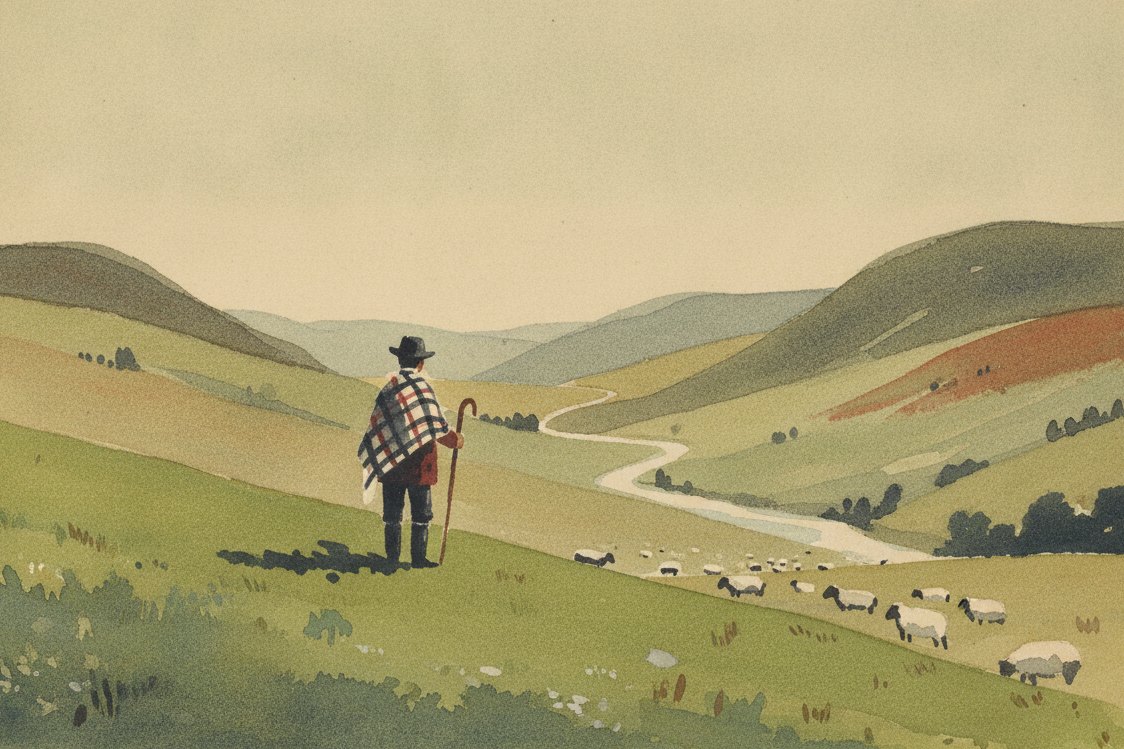
Named for
Named for the shepherds of the Border country who wove and wore it. Also called Border tartan, Northumberland tartan, or the Border check.
Also known as
shepherd's plaid
In the record
- 1820sWalter Scott wore Border check trousers in London, carrying the shepherd cloth into Victorian fashion.
Common questions
- What is Shepherd's Check made of?
- Shepherd's check is a small, even check of dark and light wool, the oldest and plainest member of the tartan family.
- How is Shepherd's Check made?
- Shepherd's Check is woven as a 2/2 twill.
- What is Shepherd's Check named after?
- Named for the shepherds of the Border country who wove and wore it. Also called Border tartan, Northumberland tartan, or the Border check.
From the journal
Sources & References
- 1.Border tartan, Wikipedia
- 2.Houndstooth, Wikipedia
Related specimens
Stay in the loop
From the Almanac
Updates from Fabric Almanac, when there is something worth sharing.