Plate No. 123fabric
The wool-substitute knit: warm, washable, moth-proof.
- First documented
- 1950
- Fiber
- acrylic
- Weave
- knitted from polyacrylonitrile staple
- Family
- manufactured
Plate No. 123 · fabric
Acrylic
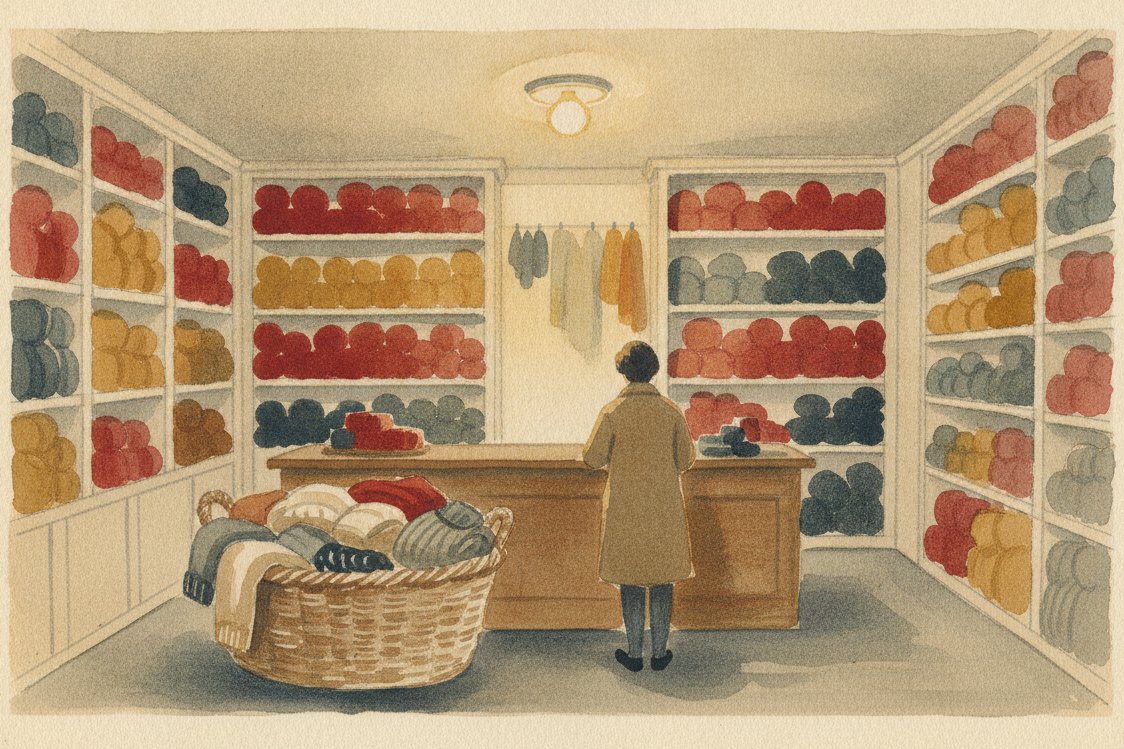
Acrylic is the synthetic made to imitate wool: a soft, warm, lightweight fiber spun from polyacrylonitrile and crimped to trap air like a fleece. DuPont introduced it as Orlon around 1950, and it became the cheap, machine-washable, moth-proof staple of sweaters, blankets, fleece linings, and acrylic yarn for hand knitting. It holds bright colors well and resists sunlight, which suits it to outdoor furnishing and awnings, though it pills readily and can feel less breathable than the wool it replaces.
Named for
Named for its polymer, polyacrylonitrile, from acrylic acid.
Common questions
- What is Acrylic made of?
- Acrylic is the synthetic made to imitate wool: a soft, warm, lightweight fiber spun from polyacrylonitrile and crimped to trap air like a fleece.
- Is Acrylic knitted or woven?
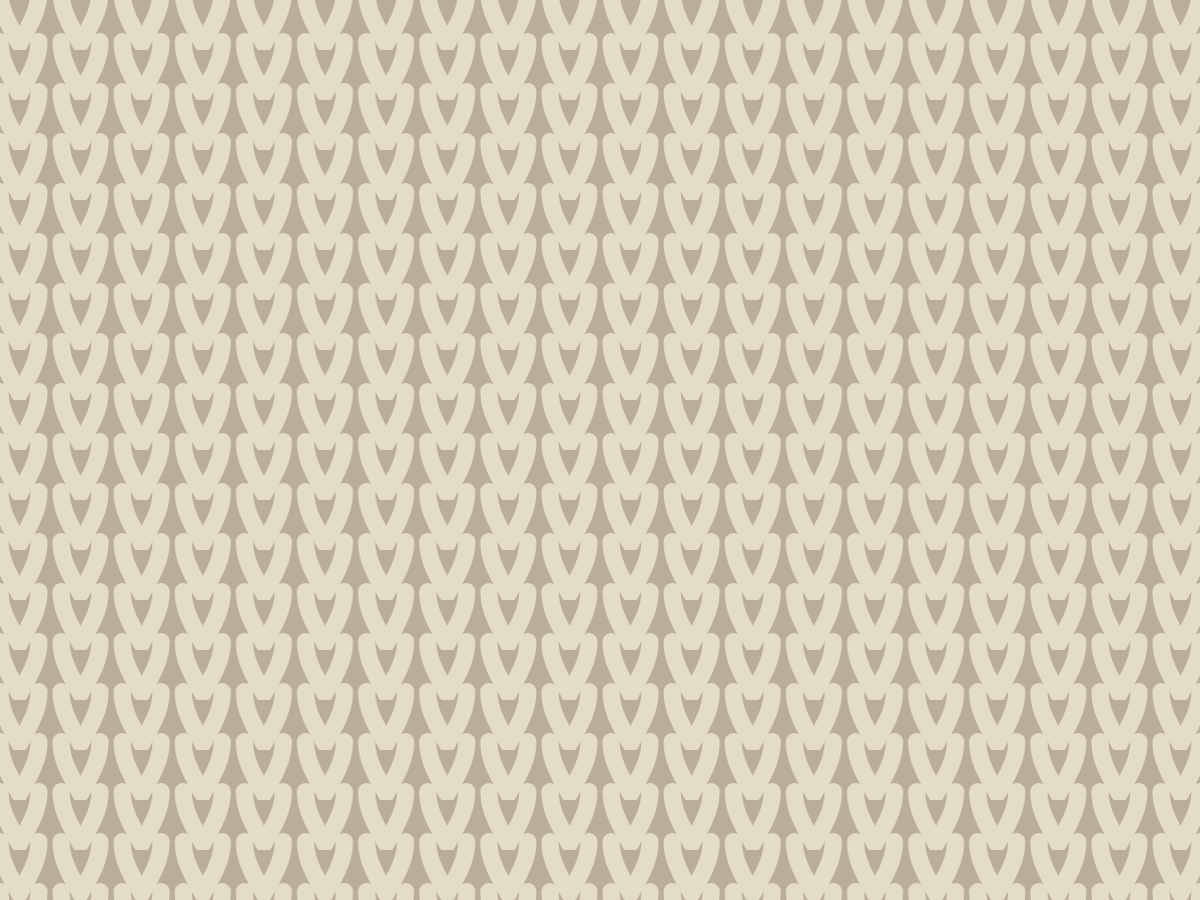
- Acrylic is a knitted from polyacrylonitrile staple.
- What is Acrylic named after?
- Named for its polymer, polyacrylonitrile, from acrylic acid.
Often confused with
Sources & References
- 1.Acrylic fiber, Wikipedia
- 2.Polyacrylonitrile, Wikipedia
Related specimens



Stay in the loop
From the Almanac
Updates from Fabric Almanac, when there is something worth sharing.